Why does my stomach look bigger after working out? This happens to many people and it’s completely normal.
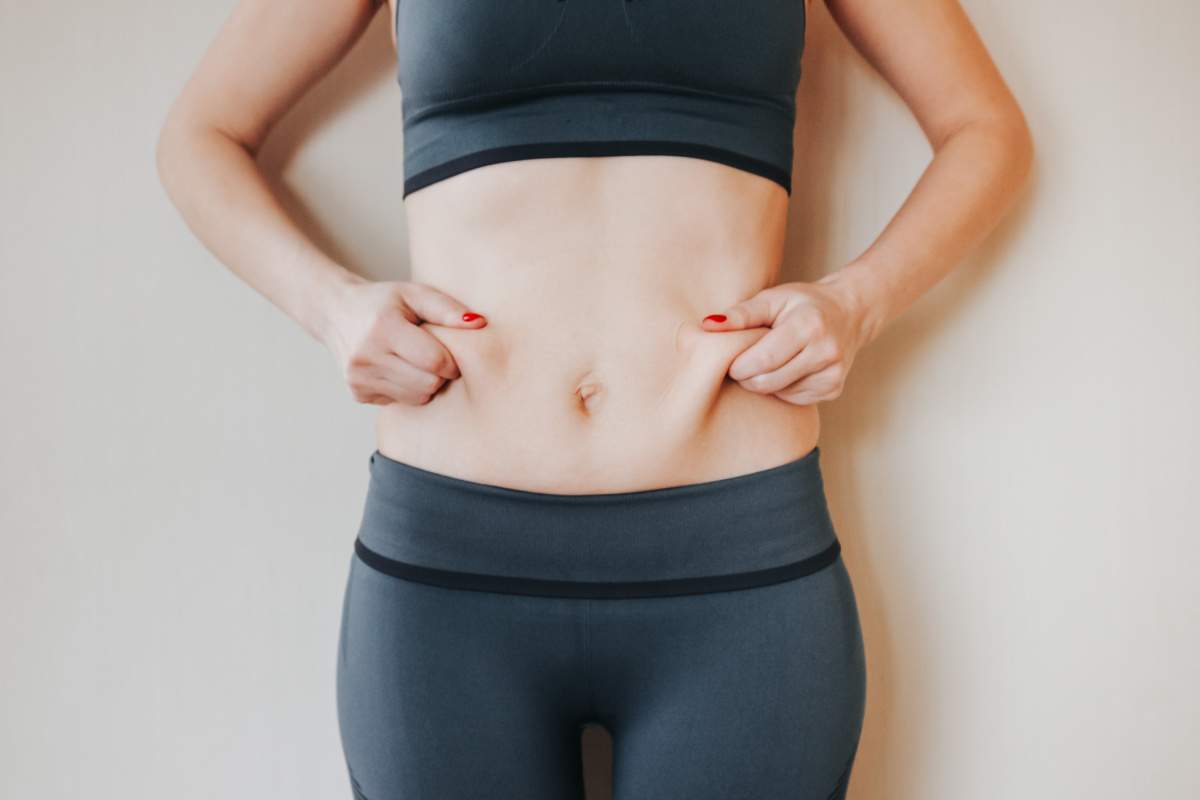
Your stomach can look bigger after working out for several clear reasons. The main causes are temporary water retention in your muscles, increased blood flow to your core, food and liquid in your digestive system, and inflammation from exercise. These changes are temporary and usually disappear within a few hours to a day.
Does Exercise Make Your Stomach Swell?
Yes, exercise makes your stomach swell temporarily.
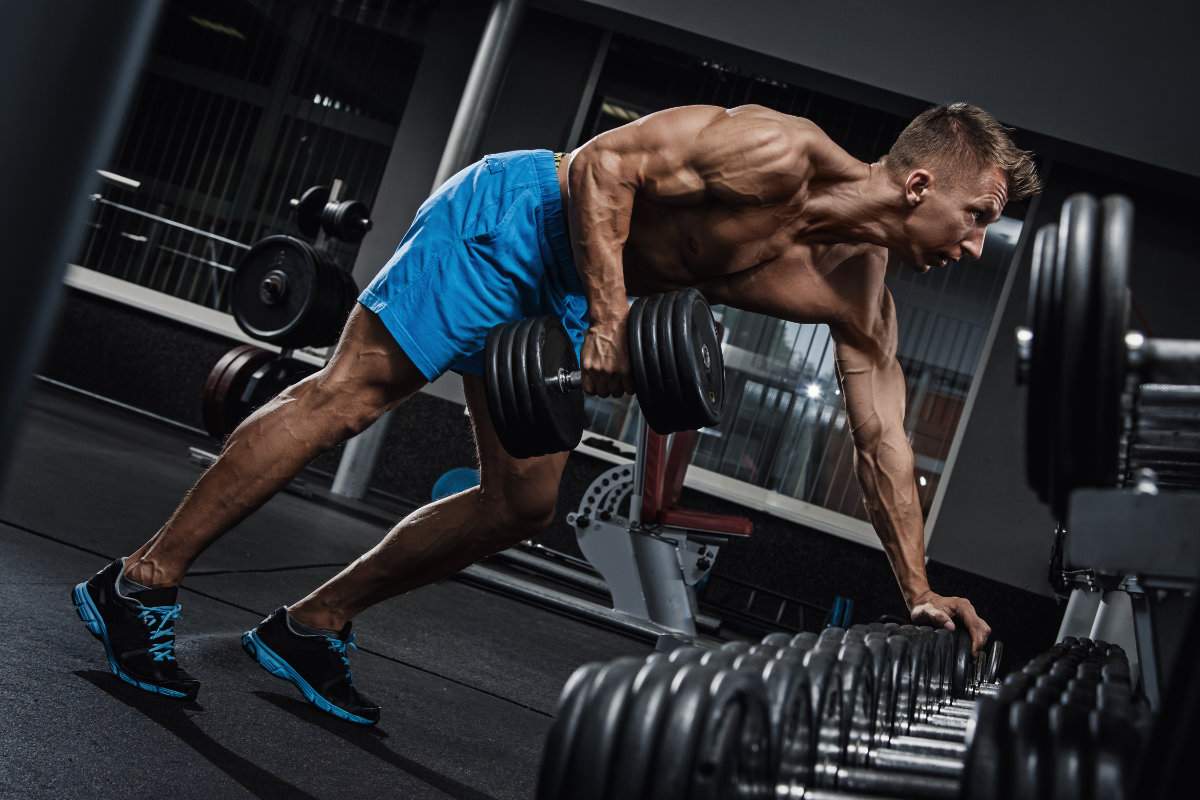
When you work out, your muscles need more blood and oxygen. Your body sends extra blood to your working muscles. This includes your core muscles around your stomach area. The increased blood flow makes these muscles swell slightly. This swelling is called a “pump” and it’s a sign your workout is working.
Your abdominal muscles also fill with fluid during and after exercise. This fluid helps repair and build muscle tissue. Research shows that resistance training causes temporary muscle swelling that can last 24 to 48 hours after your workout.
Why Do My Muscles Hold Water After Exercise?
Your muscles store water as part of the recovery process.
When you exercise, you create tiny tears in your muscle fibres. This is normal and necessary for building strength. Your body responds by sending water and nutrients to these areas to repair the damage. This process is called inflammation and it’s a healthy response to exercise.
Your muscles also store glycogen, which is energy for your body. Every gram of glycogen holds about 3 grams of water. After a workout, your body works to refill these glycogen stores. This means your muscles hold more water than usual. Studies show this water retention can add 1 to 2 kilograms of temporary weight.
9 Steps To Shed 5-10kg In 6 Weeks
Includes an exercise plan, nutrition plan, and 20+ tips and tricks.
Download FreeDoes Food in Your Stomach Make It Look Bigger After Working Out?
Yes, food and drinks in your digestive system add visible bulk.
Many people eat or drink before working out. This food sits in your stomach and intestines during exercise. When you work out, blood moves away from your digestive system to your muscles. This slows down digestion. The food stays in your system longer and can make your stomach look bigger.
If you drink water during your workout, this also adds weight and volume to your stomach. A litre of water weighs one kilogram. Drinking 500ml to 1 litre during exercise is common and recommended. This liquid takes time to process through your body.
Can Core Exercises Make Your Stomach Look Bigger?
Core exercises can temporarily make your stomach look bigger.
When you do exercises like crunches, planks, or sit-ups, you work your abdominal muscles hard. These muscles swell with blood and fluid just like any other muscle. The swelling makes your stomach area look larger for a few hours after your workout.
Some people also experience bloating from swallowing air during intense exercise. When you breathe hard, you can gulp air into your stomach. This trapped air makes your stomach expand. The air usually leaves your system within an hour or two.
Does Inflammation After Exercise Cause Stomach Swelling?
Inflammation causes temporary swelling throughout your body.
Exercise triggers an inflammatory response in your muscles. This is not the bad kind of inflammation. It’s your body’s natural healing process. White blood cells rush to your muscles to repair damage. This brings extra fluid to the area.
Research published in the Journal of Strength and Conditioning shows that inflammation peaks 24 to 72 hours after intense exercise. During this time, your muscles can swell by 10 to 20 percent. This includes your core muscles, which makes your stomach look bigger.
How Long Does Post-Workout Stomach Swelling Last?
The swelling usually disappears within 24 hours.
Most people notice their stomach returns to normal size within a few hours of finishing their workout. The blood flow to your muscles decreases. Your body processes the water and food in your system. The temporary inflammation starts to reduce.
If you did an especially hard workout, the swelling might last longer. Heavy strength training or high-intensity interval training can cause swelling that lasts up to 48 hours. This is normal and shows your body is recovering and adapting to the exercise.
What Should You Do About Post-Workout Stomach Bloating?
You can reduce bloating with simple steps.
First, stay hydrated. Drinking water helps your body flush out excess sodium and reduces water retention. Aim for 2 to 3 litres of water per day. Second, avoid eating large meals right before working out. Give yourself 2 to 3 hours to digest food before exercise.
Third, focus on breathing properly during exercise. Breathe through your nose when possible to reduce air swallowing. Fourth, include rest days in your workout schedule. Your body needs time to recover and reduce inflammation.
Some people find that reducing salt intake helps with water retention. High sodium levels make your body hold onto water. Keeping your salt intake moderate can reduce overall bloating.
Does Working Out Actually Make Your Stomach Bigger Long-Term?
No, regular exercise reduces stomach size over time.
The temporary swelling after workouts is not permanent. When you exercise regularly, you burn calories and reduce body fat. This includes fat around your stomach area. Studies show that people who do regular cardio and strength training lose belly fat over time.
Building muscle also increases your metabolism. Muscle tissue burns more calories than fat tissue, even when you’re resting. One pound of muscle burns about 6 calories per day at rest. One pound of fat burns about 2 calories per day. More muscle means your body burns more calories all day long.
Research from the American College of Sports Medicine shows that combining cardio exercise with strength training is the most effective way to reduce belly fat. People who follow this approach see significant reductions in waist size over 12 weeks.
Can Certain Exercises Make Your Stomach Look Bigger Permanently?
Heavy core training can build visible ab muscles.
If you do lots of weighted ab exercises, you will build your abdominal muscles. Bigger muscles take up more space. Some people who do heavy core work notice their waist gets slightly thicker. This happens because the muscles grow.
However, this only happens with very heavy, progressive training over many months. Regular ab exercises and core work will not make your stomach bigger. They will make your core stronger and more defined. When you lose the fat covering your abs, you’ll see more muscle definition.
Why Does My Stomach Look Bigger After Working Out Even Though I’m Losing Weight?
Daily fluctuations in size are normal during weight loss.
Your body weight and measurements change throughout the day. You might weigh 1 to 2 kilograms more in the evening than in the morning. This is due to food, water, and natural body processes. The same applies to how your stomach looks.
When you’re losing fat, the process isn’t perfectly linear. Some days your stomach will look flatter. Other days it will look bigger due to water retention, hormones, or digestion. This is why tracking progress over weeks and months matters more than daily changes.
Women experience additional fluctuations due to their menstrual cycle. Hormones cause water retention at certain times of the month. This can make the stomach look bigger regardless of exercise or diet.
Should You Worry About Your Stomach Looking Bigger After Exercise?
No, this is a normal and temporary response.
A bigger-looking stomach after working out is a sign your body is responding to exercise. The swelling shows your muscles are working and recovering. The water retention means your body is repairing itself. These are all positive signs.
You should only worry if the swelling is painful, lasts more than a few days, or comes with other symptoms like nausea or dizziness. These could indicate a medical issue that needs attention. Normal post-workout swelling is painless and temporary.
How Can You Track Real Progress Instead of Daily Changes?
Use multiple methods to measure progress.
Take measurements of your waist once per week at the same time of day. Morning measurements before eating are most consistent. Take photos every two weeks in the same lighting and position. These show changes that daily mirror checks might miss.
Track your strength and fitness improvements. Can you do more reps? Lift heavier weights? Run longer distances? These improvements show your body is getting stronger and fitter, even if your stomach looks bigger some days.
Pay attention to how your clothes fit. This is often more reliable than the mirror or scale. If your jeans fit better around the waist, you’re making progress regardless of temporary swelling after workouts.
FAQ
Why does my stomach stick out after ab workouts?
Your ab muscles swell with blood and fluid after working them hard. This makes your stomach stick out temporarily. The swelling goes down within a few hours as your muscles recover.
Is it normal to look bloated after exercise?
Yes, looking bloated after exercise is completely normal. Water retention, increased blood flow, and inflammation all contribute to temporary bloating. This usually disappears within 24 hours.
Does drinking water during workouts make your stomach bigger?
Water adds temporary weight and volume to your stomach. A litre of water weighs one kilogram. Your body needs time to process and distribute this water, which can make your stomach look bigger for a short time.
Can working out make you gain belly fat?
No, working out does not make you gain belly fat. Exercise burns calories and reduces fat over time. The bigger appearance after workouts is temporary swelling, not fat gain.
How do I reduce stomach swelling after working out?
Stay hydrated, avoid large meals before exercise, breathe properly during workouts, and include rest days. These steps help reduce post-workout swelling.
Why does my stomach look bigger in the evening?
Your stomach naturally looks bigger in the evening due to food and water consumed throughout the day. Add exercise-induced swelling and the effect is more noticeable. This is normal and temporary.
Should I stop doing ab exercises if my stomach looks bigger?
No, continue your ab exercises. The temporary swelling is a sign your muscles are working and growing stronger. Over time, regular exercise will reduce your stomach size.
How long does it take to see real results from working out?
Most people see noticeable changes in 4 to 8 weeks of consistent exercise. Fat loss and muscle building take time. Focus on weekly progress rather than daily changes.