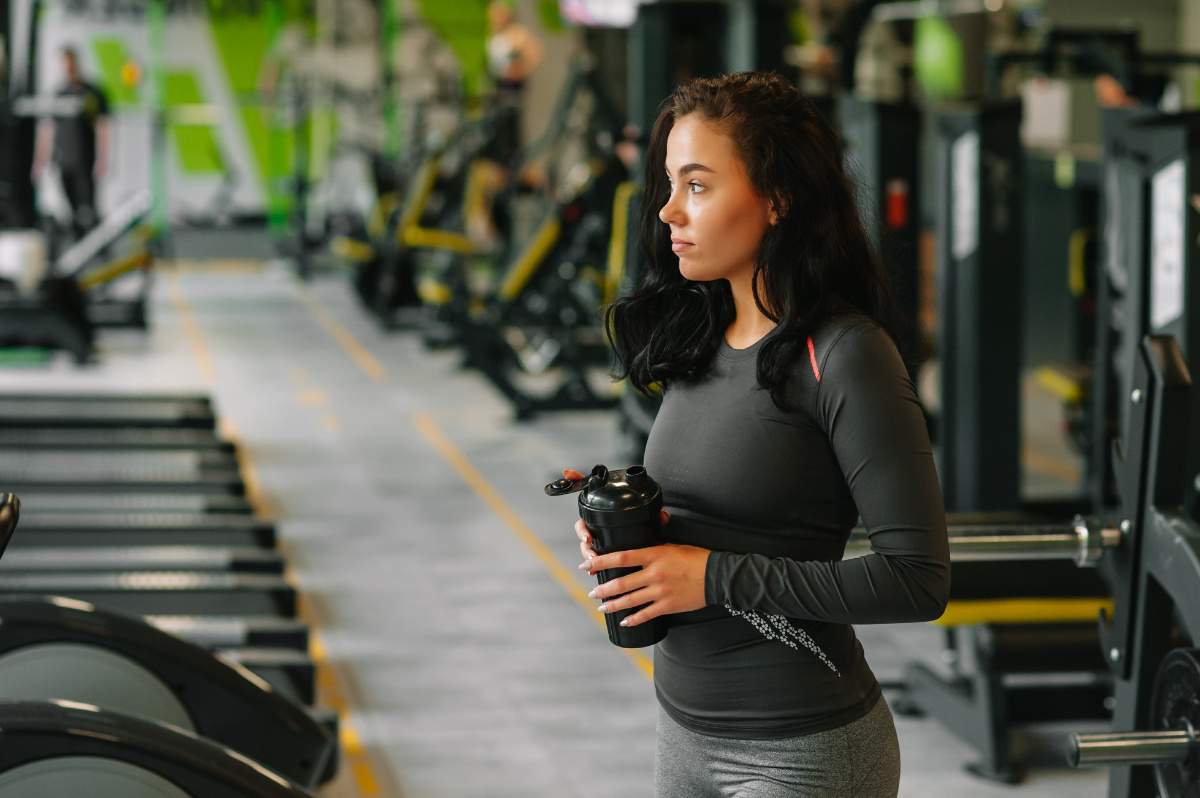
Should I Gym on an Empty Stomach?
You can train on an empty stomach, but it depends on what you’re doing and how your body responds. Training without eating beforehand changes how your body fuels the workout—it’ll tap into stored fat more during the session, but it won’t necessarily burn more fat overall across the day. The key is matching your approach to your goal: if you’re going light and easy, you’re fine. If you’re aiming for strength or power, eating beforehand helps you perform better and keep your muscle.
Can I train without eating first? Yes, it’s safe for most people doing light to moderate exercise under 60 minutes. You’ll burn a higher percentage of fat during the workout, but total daily calorie burn stays the same whether you eat beforehand or not.
Why it works: When you fast overnight, insulin drops and your glycogen stores run lower, so your body shifts more readily to fat stores for fuel during the session.
PROTOCOL & RECOMMENDATIONS
Low-Intensity Steady-State (Best for Fasted Training)
This is the sweet spot if you’re training on an empty stomach. Think brisk walking, easy cycling, or light rowing at around 50–65% of your max heart rate. Your body burns fat more efficiently at this intensity when fasted, and you won’t crash halfway through.
Keep it between 20–45 minutes. Anything longer and you risk feeling fatigued or tapping into muscle for energy. A Nottingham Trent study found people doing 30 minutes of fasted cycling at moderate intensity burned about 70% more fat during the session compared to fed training, though their performance on a harder effort afterward dipped slightly.
Stay hydrated and eat a balanced meal with carbs and protein within an hour after. That refuel matters more than the fasted session itself.
Strength Training: Eat First If You Can
If you’re lifting weights or doing anything that demands power and strength, fuel up beforehand. Your muscles need readily available energy (glycogen) to generate force and recruit muscle fibers fully.
Eating 1–2 hours before strength training improves performance and helps preserve muscle. A 2025 study comparing pre-workout supplements versus carbs alone showed both groups maintained similar strength gains when fed before training. The difference: people who trained fasted reported lower motivation and didn’t lift as much weight.
Why it matters: When you lift without fuel, cortisol rises and your body is more likely to break down amino acids for energy rather than carbs or fat. Over time, this can chip away at muscle, especially if you’re doing it every session.
9 Steps To Shed 5-10kg In 6 Weeks
Includes an exercise plan, nutrition plan, and 20+ tips and tricks.
Download FreeHIIT or High-Intensity Work: Fuel Up
High-intensity interval training burns glycogen fast. Training fasted for HIIT increases cortisol more than low-intensity work, raising the risk of muscle breakdown if protein intake is already low.
If you’re doing HIIT, eat a small carb and protein snack 30–60 minutes before, or save fasted training for your easier days. A small banana with peanut butter or Greek yogurt with honey works well. This doesn’t “break” the calorie benefit—it just ensures you’re preserving muscle and maintaining performance.
Research shows fasted HIIT can work, but limit it to once per week, and keep sessions under 20 minutes.
Timing Your Meal (If Eating Before)
2–3 hours before: Eat a full balanced meal with carbs, protein, and a bit of healthy fat. Oatmeal with fruit and nut butter, or grilled chicken with whole grain toast. This gives your stomach time to digest.
1–2 hours before: Smaller snack with about 1–2g of carbs per kilogram of body weight. A banana, apple with peanut butter, or plain toast works.
30–60 minutes before: Quick-digesting carbs and a little protein. Greek yogurt, a banana with honey, or an energy bar won’t sit heavy.
Avoid high-fat and high-fiber foods close to your workout—they slow digestion and can cause stomach discomfort during exercise.
FAQ?
Does fasted cardio actually burn more fat total?
Not really. Research is clear: fasted exercise burns a higher percentage of fat during the workout, but your total calorie burn across the day stays the same. One controlled study comparing fasted versus fed cardio in a caloric deficit found both groups lost the same amount of fat over four weeks. Your body compensates throughout the day—it uses more carbs later if you used more fat early.
The takeaway: if fat loss is your goal, total calories matter far more than timing.
Can I lose muscle training fasted?
Not if you keep it short and light. Fasted training under 60 minutes at low-to-moderate intensity won’t hurt muscle if your protein intake is adequate—at least 1.6g per kilogram of body weight daily. The risk rises when you do intense fasted sessions regularly without enough protein, or train fasted and eat in a severe calorie deficit.
A key study found fasted strength training didn’t build muscle better, but it also didn’t destroy it compared to fed training—as long as people ate enough protein afterward.
Should I take BCAAs if I’m training fasted?
BCAAs (branched-chain amino acids) are useful if muscle preservation is your priority and you want to stay strictly fasted. They technically break a fast because they have calories, but they’re minimal. If your goal is body composition and muscle building, a small BCAA supplement before fasted training can reduce muscle breakdown risk.
If you’re fasting purely for metabolic benefits and don’t care about breaking the fast slightly, skip it and just eat normally within an hour.
What if I feel dizzy or lightheaded training fasted?
Stop. That’s your body telling you it needs fuel. Low blood sugar during fasted exercise can cause dizziness, nausea, or worse, fainting, especially during longer or harder sessions.
If this happens regularly, either eat something beforehand or train after a meal. People with diabetes, low blood pressure, or a history of disordered eating should avoid fasted training altogether and talk to their doctor first.
How long can I safely train on an empty stomach?
Aim for no more than 60 minutes, and ideally 30–45 minutes for fasted workouts. Beyond an hour, glycogen stores deplete too much, cortisol climbs, and your body starts using muscle amino acids for fuel. If you’re doing 90-minute training sessions, eat something beforehand.
Does fasted training improve performance?
No. Research consistently shows fasted training reduces performance, especially for strength and high-intensity work. People doing fasted workouts covered less distance in time trials and reported lower motivation. For endurance and general fitness, it’s fine. For building strength or going hard, eating beforehand improves power output and mental drive.
What’s the best time of day to train fasted?
Morning works easiest because you’ve naturally fasted overnight (8–12 hours). Some research suggests evening fasted training is even better for fat oxidation, but people tend to do mornings because it fits their schedule. Pick whatever time lets you train consistently. Consistency beats perfect timing.
Will fasted training speed up my metabolism?
Not meaningfully. Fasted training doesn’t create a lasting metabolic boost that burned calories afterward. One study found fasted training increased fat-oxidizing enzymes in muscle over time, which is nice for metabolic health, but fat loss still came down to total calories.
Can I do strength training fasted?
Technically yes, but it’s not ideal. You’ll have less power, lower motivation, and use more muscle amino acids for energy. Strength training demands immediate glycogen availability. A small snack 30–60 minutes before—carbs plus protein—protects performance and muscle.
What should I eat after a fasted workout?
Eat within 30–60 minutes. Include carbs to replenish glycogen and protein to rebuild muscle. A meal with both (e.g., chicken and rice, Greek yogurt with fruit, or a protein smoothie) is best. This refeed is more important than the fasted session itself for recovery and adaptation.
THE SCIENCE
Your body runs on two fuel sources: glycogen (carbs stored in muscles and liver) and fat. When you fast overnight, glycogen depletes partially—especially liver glycogen, which your brain needs even while you sleep. Your body becomes more efficient at mobilizing fat for fuel in that depleted state.
During a fasted session, insulin stays low, which signals fat cells to release fatty acids into the bloodstream faster. Acute studies confirm this: fasted training increases fat oxidation by roughly 20–25% during the workout compared to fed training.
The catch: your body compensates. After a fasted workout, you’ll use proportionally more carbs later in the day, balancing out the fat burn. Over 24 hours, the difference vanishes.
Cortisol (a stress hormone) also rises more during fasted exercise, especially intense sessions. Chronically high cortisol can trigger muscle breakdown via gluconeogenesis—your body converting amino acids into glucose. This is theoretical in short fasted sessions but becomes real if you’re doing hard fasted training daily without adequate protein.
YOUR STEP BY STEP GUIDE
For quick skimming, hit these points:
- Fasted training works best for light cardio (30–45 min, 50–65% max HR)
- Eat before strength training if you can—it improves power and muscle preservation
- Total daily calories matter more than timing for fat loss
- Keep fasted sessions under 60 minutes to protect muscle
- High protein intake (1.6g per kg body weight) is essential if training fasted
- Fuel up after with carbs and protein within an hour
- Stop if you feel dizzy, lightheaded, or unwell
YOUR NEXT STEP
If you want to try training on an empty stomach, start with one low-intensity session per week—20–30 minutes of easy cardio—and see how you feel. Stay hydrated. Eat a solid meal with carbs and protein right after. Track your performance and energy over 2–3 weeks.
If you feel strong, recover well, and it fits your schedule, add one more fasted session. If you feel tired, lose strength, or get lightheaded, eat something beforehand instead. Your body’s response is the real data.
For strength days, always eat 1–2 hours before. For long training sessions over an hour, fuel up. And remember: consistency and total calories matter infinitely more than whether you train fasted or fed.