Do you pee out excess protein? Your body gets rid of extra protein through your urine. This happens when you eat more protein than your body needs for the day.
Your kidneys work like filters. They clean your blood and remove waste products. When you eat protein, your body breaks it down into smaller parts called amino acids. Your body uses these amino acids to build muscle, make hormones, and keep your organs working properly.
But here’s what happens next. Your body can only use a certain amount of protein each day. It cannot store extra protein like it stores extra carbs or fat. So when you eat more protein than you need, your body must get rid of it.
The liver breaks down the extra amino acids. This process creates a waste product called urea. Your blood carries the urea to your kidneys. The kidneys then filter the urea out of your blood and send it to your bladder. You pee it out.
What Happens When You Eat Too Much Protein?
Your kidneys work harder when you eat lots of protein. They must filter more waste from your blood.
Most healthy people can handle high protein intake without problems. Research shows that eating up to 2 grams of protein per kilogram of body weight is safe for healthy adults. That means a 70kg person can safely eat up to 140 grams of protein per day.
But eating way too much protein can cause issues. You might feel thirsty more often. Your pee might smell stronger. Some people get headaches or feel tired.
Your kidneys need water to flush out the extra urea. When you eat more protein, you need to drink more water. This helps your kidneys do their job properly.
How Much Protein Does Your Body Actually Use?
Your body uses protein throughout the day for different jobs. It builds and repairs muscle tissue. It makes enzymes that help digest food. It creates antibodies that fight infections.
The average adult needs about 0.8 grams of protein per kilogram of body weight each day. A 70kg person needs roughly 56 grams of protein daily. Athletes and people who lift weights need more, usually between 1.6 to 2.2 grams per kilogram.
Your body absorbs protein best when you spread it across your meals. Eating 20 to 30 grams of protein per meal works well for most people. However, recent 2023 research shows that eating larger amounts of protein in one sitting still benefits muscle growth. Studies demonstrate that consuming 35 to 100 grams of protein continues to stimulate muscle building beyond what older research suggested. The idea that muscles can only use 20 to 25 grams at once is outdated.
Your body processes all the protein you eat. Do you pee out excess protein? Yes, because your body cannot store it for later use like other nutrients. The protein that does not get used for building or repairing tissue gets broken down and removed.
9 Steps To Shed 5-10kg In 6 Weeks
Includes an exercise plan, nutrition plan, and 20+ tips and tricks.
Download FreeCan Eating Too Much Protein Damage Your Kidneys?
Healthy kidneys can handle high protein diets without damage. Multiple studies confirm this fact.
Research published in sports medicine journals shows that protein intake up to 2.8 grams per kilogram of body weight does not harm kidney function in healthy people. Your kidneys adapt to higher protein intake by increasing their filtering rate.
However, people with existing kidney disease need to be careful. Damaged kidneys struggle to filter waste products. High protein intake can make kidney disease worse. These people should follow their doctor’s advice about protein limits.
If you have diabetes or high blood pressure, talk to your doctor before eating a high protein diet. These conditions can affect kidney health over time.
Signs You Might Be Eating Too Much Protein
Your body gives you signals when you eat too much protein. Watch for these signs.
Common symptoms include:
- Dark yellow or brown urine
- Strong smelling urine
- Feeling thirsty all the time
- Constipation or digestive problems
- Bad breath
- Headaches
- Feeling tired or sluggish
These symptoms happen because your body works overtime to process and remove the extra protein. Your kidneys need more water to flush out the waste. This makes you feel thirsty.
The breakdown of protein also creates ammonia. This gives your breath and urine a strong smell. Some people notice their pee smells like ammonia when they eat lots of protein.
How Your Kidneys Filter Protein Waste
Your kidneys contain about one million tiny filters called nephrons. Each nephron has a special part called a glomerulus that filters your blood.
Blood flows into the glomerulus under pressure. The filter lets water and small waste molecules pass through. It keeps larger molecules like blood cells and most proteins in your bloodstream.
The filtered liquid moves through tiny tubes in the nephron. These tubes reabsorb water and useful nutrients back into your blood. They leave behind waste products like urea.
The waste liquid becomes urine. It flows from your kidneys through tubes called ureters into your bladder. When your bladder fills up, you feel the urge to pee.
This process happens constantly. Your kidneys filter about 180 litres of blood every day. They produce about 1 to 2 litres of urine daily, depending on how much you drink.
Does Protein Make You Pee More Often?
High protein diets can make you pee more frequently. This happens for two main reasons.
First, breaking down protein creates more waste products. Your kidneys must make more urine to flush out this waste. Second, you naturally drink more water when you eat more protein. Your body needs this extra water to help your kidneys work properly.
Studies show that people on high protein diets produce about 20% more urine than people on normal protein diets. This increase is normal and not harmful for healthy people.
You might notice you need to pee more often during the night. This can disrupt your sleep. Try eating most of your protein earlier in the day. Reduce protein intake in the evening to sleep better.
What About Protein Supplements?
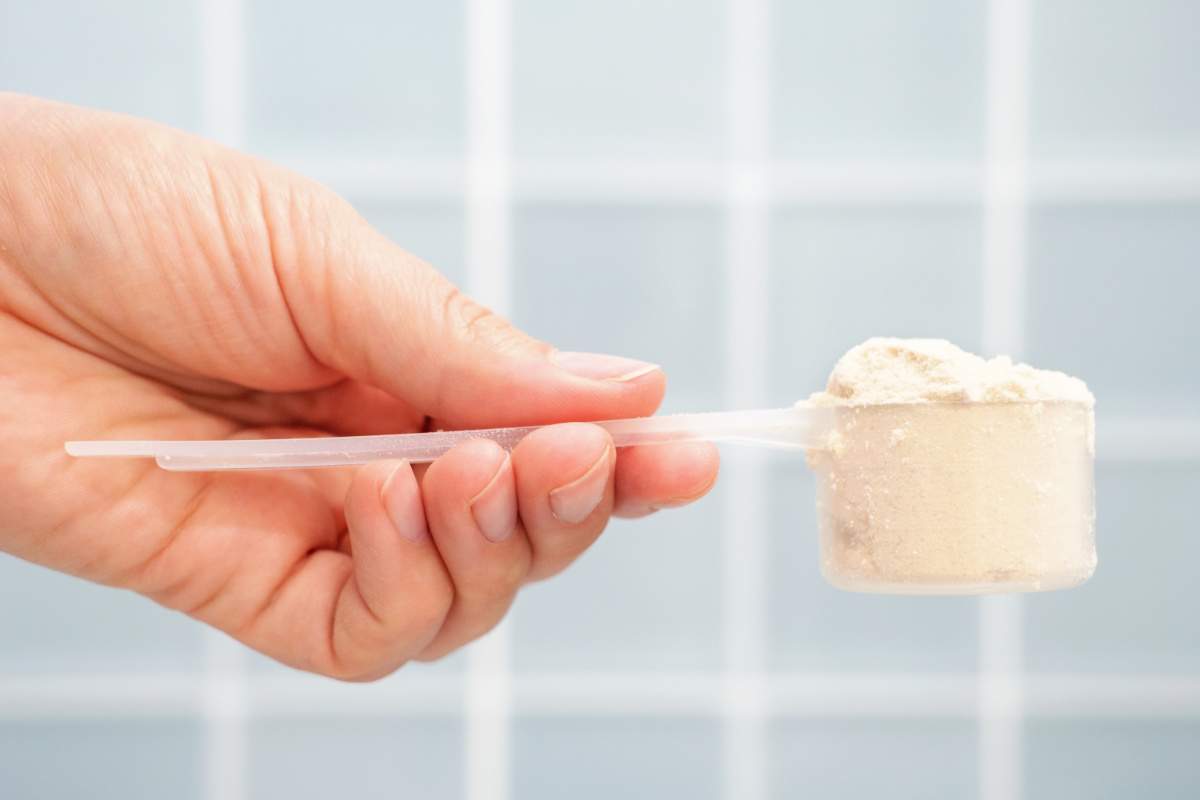
Protein powders and shakes count as protein intake. Your body processes them the same way it processes protein from food.
Many people use protein supplements to build muscle or lose weight. These products can help you meet your protein goals. But they can also make it easy to eat too much protein.
One scoop of protein powder usually contains 20 to 30 grams of protein. If you drink multiple shakes per day plus eat protein rich foods, you might exceed your needs.
Your body will pee out the excess just like it does with food protein. This wastes money. Protein supplements in Australia cost between $30 to $100 per kilogram. Peeing out unused protein means you flush money down the toilet.
Calculate your daily protein needs first. Then figure out how much protein you get from food. Only use supplements to fill the gap.
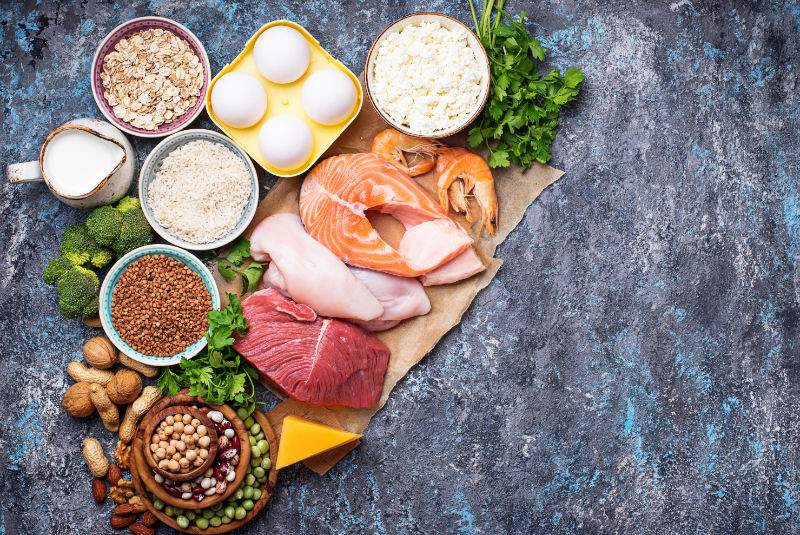
Best Protein Sources That Your Body Uses Well
Your body absorbs and uses different protein sources at different rates. Animal proteins generally have higher absorption rates than plant proteins.
High quality protein sources include:
- Eggs (absorption rate of 97%)
- Milk and dairy products (95%)
- Chicken and turkey (94%)
- Fish (92%)
- Beef (92%)
- Soy products (91%)
- Legumes and beans (78%)
- Nuts and seeds (75%)
Animal proteins contain all nine essential amino acids your body needs. Plant proteins often lack one or more essential amino acids. Eating a variety of plant proteins throughout the day solves this problem.
Your body uses protein from whole foods more efficiently than protein from supplements. Whole foods contain other nutrients that help with protein absorption. They also keep you full longer.
How to Know If You’re Eating the Right Amount
Track your protein intake for a few days. Write down everything you eat. Use a food tracking app or website to calculate the protein content.
Compare your intake to your needs. Multiply your body weight in kilograms by 0.8 for basic needs. Multiply by 1.6 to 2.2 if you exercise regularly or lift weights.
Check your urine colour. Pale yellow urine means you drink enough water. Dark yellow or brown urine suggests dehydration or too much protein waste.
Notice how you feel. Good energy levels and steady muscle growth mean you eat enough protein. Constant thirst, digestive problems, or strong smelling urine might mean you eat too much.
Most people do not need to worry about eating too much protein. The bigger problem is not eating enough. Focus on getting quality protein at each meal. Drink plenty of water. Your kidneys will handle the rest.
FAQ
How quickly does your body pee out excess protein?
Your body starts breaking down excess protein within a few hours of eating. The waste products appear in your urine within 4 to 6 hours. Your kidneys work continuously to filter and remove protein waste throughout the day.
Can drinking more water help if you eat too much protein?
Yes. Water helps your kidneys flush out protein waste more easily. Aim for at least 2 to 3 litres of water per day when eating high protein. Drink more if you exercise or live in a hot climate.
Does peeing out protein mean you’re wasting it?
Yes. Your body cannot store excess protein. Any protein beyond your daily needs gets broken down and removed. This wastes the protein and the money you spent on it. Eat only what your body can use.
Is it bad to pee out protein every day?
No, not for healthy people. Your body naturally removes some protein waste every day. This is normal. Problems only occur if you have kidney disease or eat extremely high amounts of protein for long periods.
How much protein is too much?
Most research suggests staying under 2.5 grams per kilogram of body weight. A 70kg person should eat less than 175 grams of protein daily. Eating more than this provides no extra benefits and creates more work for your kidneys.
Can you see protein in your urine?
Normal urine contains very small amounts of protein that you cannot see. If your urine looks foamy or cloudy, this might indicate too much protein in your urine. This condition is called proteinuria and needs medical attention.
Does eating protein before bed make you pee at night?
It can. Your body processes protein while you sleep. This creates waste that your kidneys must filter. Try eating your last protein rich meal at least 3 hours before bed to reduce nighttime bathroom trips.
What colour should your pee be on a high protein diet?
Pale yellow to light straw colour is ideal. Dark yellow or amber coloured urine means you need more water. Clear urine means you drink too much water. Aim for pale yellow.
Can I eat a large amount of protein in one meal for muscle building?
Yes. Recent 2023 research shows that larger protein servings continue to stimulate muscle growth. Eating 35 to 100 grams of protein in one meal still benefits muscle building. Your body does not have a strict upper limit for using protein to build muscle in a single sitting.