What are the side effects of a high protein diet? Protein helps build muscle and keeps you full. Many people eat more protein to lose weight or get stronger. But eating too much protein can cause problems for your body.
A high-protein diet means eating more than 2 grams of protein per kilogram of body weight each day. For a 70kg person, that’s over 140 grams daily. This article explains what happens when you eat this much protein and how to stay safe.
Does Eating Too Much Protein Damage Your Kidneys?
Yes, high protein intake can harm your kidneys if you already have kidney problems.
Your kidneys filter waste from protein breakdown. When you eat lots of protein, your kidneys work harder. Studies show that people with existing kidney disease get worse when they eat high-protein diets. The extra work strains damaged kidneys.
Healthy kidneys handle high protein better. Research on athletes and bodybuilders shows their kidneys stay healthy even with protein intakes of 2.5 to 3.5 grams per kilogram daily. But doctors still watch for early warning signs.
If you have kidney disease, diabetes, or high blood pressure, talk to your doctor before increasing protein. These conditions already stress your kidneys.
Can High Protein Cause Digestive Problems?
High-protein diets cause constipation, bloating, and stomach pain in many people.
Protein-rich foods like meat, eggs, and protein powder contain little fibre. Fibre keeps your digestive system moving. When you eat more protein, you often eat less fruit, vegetables, and whole grains. This drops your fibre intake.
Studies show people on high-protein diets report more constipation than those eating balanced diets. The lack of fibre slows down your bowel movements. Your stomach also produces more acid to break down protein, which causes bloating and discomfort.
You can fix this by eating vegetables with every meal. Add leafy greens, broccoli, and carrots to your plate. Drink more water too. Water helps fibre work better in your gut.
9 Steps To Shed 5-10kg In 6 Weeks
Includes an exercise plan, nutrition plan, and 20+ tips and tricks.
Download FreeDoes High Protein Make You Dehydrated?
Yes, high-protein diets increase your risk of dehydration.
Your body produces nitrogen waste when it breaks down protein. Your kidneys flush this waste out through urine. This process uses extra water. Research shows people on high-protein diets need 20 to 30 percent more water than people eating normal amounts of protein.
Athletes who eat lots of protein and train hard face even bigger dehydration risks. They lose water through sweat and through processing protein. What are the side effects of a high-protein diet? Dehydration ranks as one of the most common problems people face.
Drink at least 2 to 3 litres of water daily when eating high protein. Check your urine colour. Pale yellow means you drink enough water. Dark yellow or brown means you need more fluids.
Can Too Much Protein Cause Weight Gain?
Yes, eating more protein than your body needs leads to weight gain.
Your body stores extra calories as fat. This happens with protein just like it happens with carbs or fats. One gram of protein contains 4 calories. If you eat 50 grams more protein than you need daily, that’s 200 extra calories. Over a week, that’s 1,400 extra calories.
Studies on weight loss show protein helps you feel full and burn slightly more calories during digestion. But these benefits disappear when you eat too much total food. A 2018 study found people who ate very high protein but also ate too many total calories gained weight, not lost it.
Track your total calorie intake, not just protein. Use an app or food diary for one week. This shows if you eat more than your body burns.
Does High Protein Affect Your Bones?
High-protein diets can weaken bones if you don’t eat enough calcium.
Protein creates acid in your body when it breaks down. Your body uses calcium from your bones to neutralise this acid. Over time, this can reduce bone density. Research shows people who eat very high protein and low calcium have weaker bones and higher fracture risk.
But protein also helps build bone tissue. Studies show older adults who eat adequate protein have stronger bones than those who eat too little. The key is balance.
Eat calcium-rich foods with your protein. Dairy products, leafy greens, and fortified plant milks provide calcium. Adults need 1,000 to 1,200 milligrams of calcium daily. A glass of milk has about 300 milligrams.
Can High Protein Increase Your Risk of Heart Disease?
High-protein diets from red meat and processed meat increase heart disease risk.
Red meat and processed meats contain saturated fat and cholesterol. These substances clog your arteries. A 2020 study tracking over 100,000 people for 30 years found those who ate the most red meat had 20 percent higher heart disease risk.
The type of protein matters. Fish, chicken, beans, and nuts don’t increase heart disease risk. Some studies show these proteins actually protect your heart. They contain healthy fats and fibre.
Choose lean proteins most of the time. Eat fish twice per week. Pick chicken breast over fatty cuts. Add plant proteins like lentils and chickpeas to your meals. Limit red meat to once or twice per week.
Does Too Much Protein Cause Bad Breath?
Yes, very high-protein, low-carb diets cause bad breath.
When you eat very little carbohydrate and lots of protein, your body enters ketosis. This means your body burns fat for energy instead of carbs. Ketosis produces chemicals called ketones. Your body releases ketones through your breath. They smell fruity or metallic.
People on ketogenic diets report this problem frequently. The smell doesn’t come from poor dental hygiene. It comes from inside your body. Brushing your teeth doesn’t fix it completely.
Eating some carbohydrates stops ketosis and fixes the breath problem. Add fruit, oats, or sweet potato to your diet. You can still eat high protein without going into ketosis. Most high-protein diets include 100 to 150 grams of carbs daily.
Can High Protein Harm Your Liver?
High-protein diets can stress your liver if you already have liver disease.
Your liver processes protein and removes toxins from protein breakdown. Damaged livers struggle with this work. Studies show people with cirrhosis or hepatitis get worse on high-protein diets. The extra protein creates ammonia that damaged livers can’t clear properly.
Healthy livers handle high protein well. Research on athletes shows no liver damage from high-protein diets. Their liver enzymes stay normal even with very high intakes.
If you have liver disease, work with a dietitian. They calculate the right protein amount for your condition. Most people with healthy livers don’t need to worry about protein harming their liver.
How Much Protein Do You Actually Need?
Most adults need 0.8 to 1.2 grams of protein per kilogram of body weight daily.
A 70kg person needs 56 to 84 grams of protein per day. Athletes and people building muscle need more, around 1.6 to 2.2 grams per kilogram. A 70kg athlete needs 112 to 154 grams daily.
Eating more than 2.5 grams per kilogram provides no extra benefits. Your body can’t use the excess protein for muscle building. It either burns it for energy or stores it as fat.
Calculate your needs based on your activity level. Sedentary people need less protein. Very active people need more. Older adults over 65 need slightly more protein to prevent muscle loss, around 1.0 to 1.2 grams per kilogram.
What Are the Warning Signs You’re Eating Too Much Protein?
Watch for these symptoms that show you eat too much protein:
- Constant thirst and dark urine
- Constipation lasting more than three days
- Bad breath that doesn’t improve with brushing
- Unexplained weight gain
- Feeling tired or sluggish
- Stomach pain or bloating after meals
- Headaches
These symptoms tell you to reduce protein intake. Cut back by 20 to 30 grams daily. Add more vegetables and whole grains. Drink more water.
See a doctor if symptoms continue after reducing protein. They can check your kidney and liver function with blood tests.
How Can You Eat High Protein Safely?
Follow these steps to eat high protein without side effects:
- Drink 2 to 3 litres of water daily. This helps your kidneys flush out protein waste.
- Eat vegetables with every meal. Aim for half your plate to be vegetables. This provides fibre for digestion.
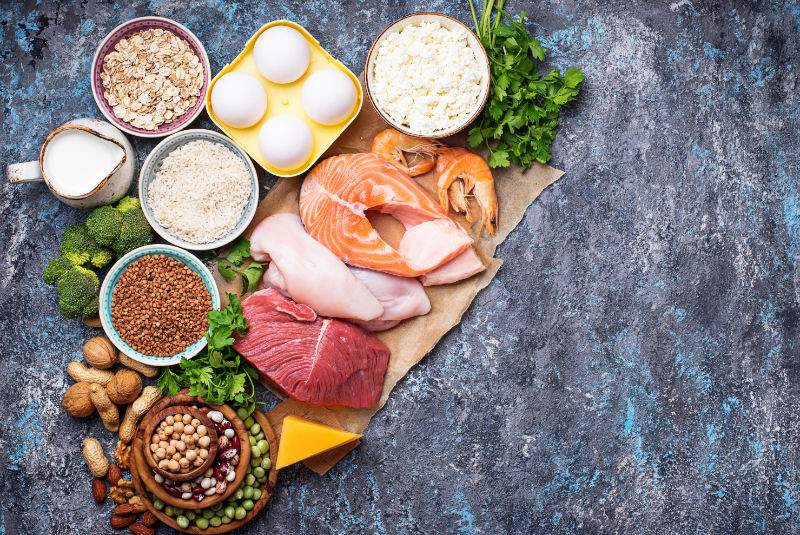
- Choose varied protein sources. Eat fish, chicken, eggs, beans, and nuts. Don’t rely only on red meat.
- Include calcium-rich foods. Eat dairy, leafy greens, or fortified plant milks to protect your bones.
- Keep some carbohydrates in your diet. Eat 100 to 150 grams of carbs daily from fruit, oats, and sweet potato.
- Get regular blood tests. Check your kidney and liver function once per year if you eat very high protein.
- Track your total calories. Make sure you don’t eat more calories than your body burns.
These steps let you enjoy the benefits of higher protein while avoiding problems.
Frequently Asked Questions
Is 200 grams of protein per day too much?
For most people, yes. A 70kg person only needs 56 to 154 grams daily depending on activity level. Eating 200 grams provides no extra benefits and increases side effect risks.
Can high protein cause kidney stones?
Yes, high-protein diets increase kidney stone risk. Protein raises calcium and uric acid in your urine. These substances form stones. Drink lots of water to reduce this risk.
Does protein powder cause more side effects than food protein?
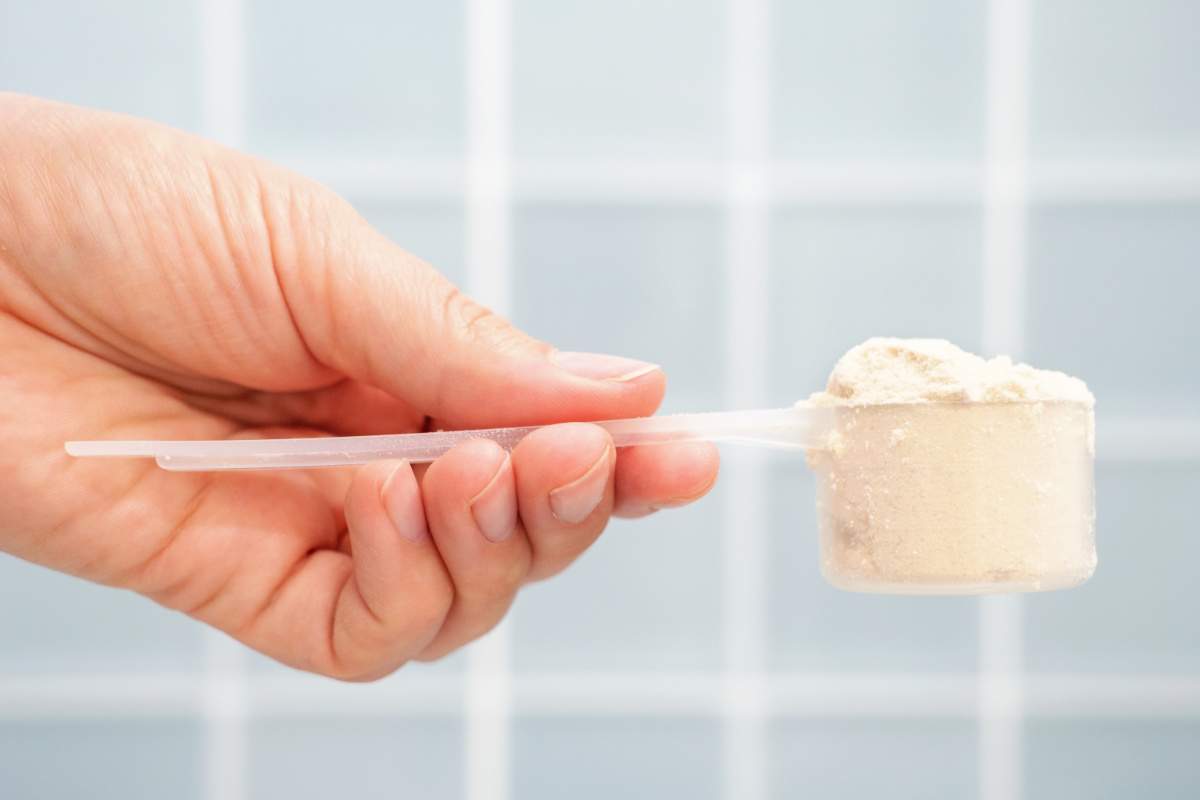
No, protein powder and food protein affect your body the same way. Both can cause side effects if you eat too much. Whole foods provide more nutrients though.
How long does it take for high-protein side effects to appear?
Digestive problems appear within days. Dehydration happens within hours. Kidney and bone problems develop over months or years of very high intake.
Can children eat high-protein diets safely?
Children need less protein than adults. High-protein diets can harm growing kidneys. Kids should eat 0.95 to 1.0 grams per kilogram daily. Talk to a paediatrician before increasing a child’s protein.
Will reducing protein help side effects go away?
Yes, most side effects improve within one to two weeks of reducing protein intake. Drink more water and eat more fibre to speed up recovery.
The Bottom Line
High-protein diets help many people build muscle and lose weight. But eating too much protein causes real problems. Your kidneys work harder. Your digestion slows down. You need more water. Your bones might weaken without enough calcium.
Most people don’t need more than 2 grams of protein per kilogram of body weight daily. Calculate your needs based on your weight and activity level. Choose varied protein sources. Eat plenty of vegetables. Drink lots of water.
Listen to your body. If you feel constantly thirsty, constipated, or tired, you might eat too much protein. Reduce your intake by 20 to 30 grams daily. The side effects should improve quickly.
Balance matters more than extremes. You don’t need to eat huge amounts of protein to be healthy and strong. A moderate, varied diet works best for most people.