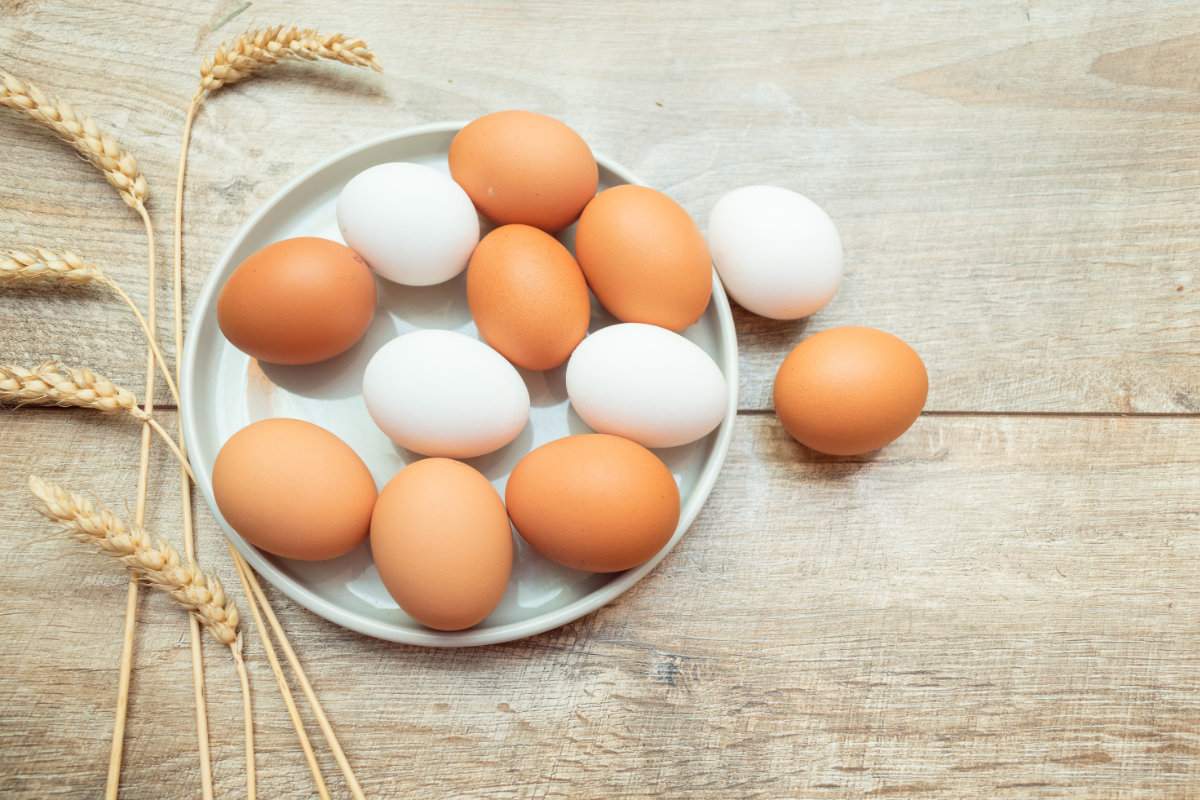
How many eggs make 50g of protein? You need 8 to 9 large eggs to get 50 grams of protein.
Each large egg contains about 6 grams of protein. This means you must eat roughly 8.3 eggs to reach your 50-gram protein target. Most people round this up to 9 eggs to be safe.
The protein in eggs comes mainly from the egg white. One egg white has 3.6 grams of protein. The yolk adds another 2.7 grams. Together, they give you that 6-gram total per egg.
Why Does Protein Matter?
Your body needs protein to build muscle, repair tissue, and stay strong. Protein helps you feel full after meals. It stops you from getting hungry an hour later.
Research shows that eating enough protein speeds up your metabolism. Your body burns more calories just digesting protein compared to carbs or fats. A 2010 study found that people who got a full night’s sleep lost more than twice as much fat as sleep-deprived dieters.
Athletes and people who train hard need more protein than others. The general rule says you should eat 0.8 grams of protein for every pound you weigh. If you weigh 200 pounds, you need 160 grams of protein per day.
How Much Protein Is In Different Egg Sizes?
Not all eggs are the same size. The amount of protein changes based on egg size.
Protein content by egg size:
- Small egg: 4.9 grams of protein
- Medium egg: 5.5 grams of protein
- Large egg: 6.3 grams of protein
- Extra large egg: 7.0 grams of protein
Most recipes and nutrition labels use large eggs as the standard. When someone asks “how many eggs make 50g of protein?” they usually mean large eggs.
9 Steps To Shed 5-10kg In 6 Weeks
Includes an exercise plan, nutrition plan, and 20+ tips and tricks.
Download FreeCan You Eat 9 Eggs Every Day?
Eating 9 eggs daily gives you 50 grams of protein. But this approach has problems.
Nine eggs contain about 1,620 calories. They also pack 405 milligrams of cholesterol per egg. That totals 3,645 milligrams of cholesterol if you eat all 9 eggs. Health experts recommend keeping cholesterol under 300 milligrams per day.
Your body needs variety. Eggs lack vitamin C, fibre, and several other nutrients. Eating only eggs leaves gaps in your nutrition.
The cost adds up too. A dozen eggs in Australia costs between $6 and $9 depending on the type. Free range eggs cost more than caged eggs. If you eat 9 eggs daily, you spend roughly $4.50 to $6.75 per day just on eggs.
What Other Foods Give You 50 Grams of Protein?
You can mix eggs with other protein sources. This saves money and gives you better nutrition.
Foods that provide similar protein to eggs:
- Chicken breast (150g): 47 grams of protein
- Greek yogurt (400g): 40 grams of protein
- Tuna (170g can): 40 grams of protein
- Lean beef (150g): 45 grams of protein
- Protein powder (2 scoops): 40-50 grams of protein
Combining foods works better than eating 9 eggs. You could eat 3 eggs for breakfast (18 grams), chicken for lunch (25 grams), and Greek yogurt as a snack (10 grams). This gives you 53 grams of protein across three meals.
Are Egg Whites Better Than Whole Eggs?
Egg whites contain less calories and zero cholesterol. But whole eggs give you more nutrients.
The yolk contains vitamins A, D, E, and K. It also has healthy fats your brain needs. Throwing away the yolk means losing half the protein and most of the nutrients.
Studies show that eating whole eggs helps build muscle better than egg whites alone. The combination of protein and fats in whole eggs triggers better muscle growth.
One large egg white has only 17 calories and 3.6 grams of protein. You would need 14 egg whites to reach 50 grams of protein. That equals 238 calories with no fat.
Compare this to 9 whole eggs at 1,620 calories with 72 grams of fat. The middle ground works best for most people.
How Should You Cook Eggs for Maximum Protein?
Cooking method does not destroy protein in eggs. Heat changes the protein structure but your body still absorbs it.
Best cooking methods for protein absorption:
- Boiled eggs: 91% protein absorption
- Scrambled eggs: 91% protein absorption
- Fried eggs: 91% protein absorption
- Raw eggs: 51% protein absorption
Never eat raw eggs if you want maximum protein. Your body only absorbs half the protein from raw eggs. Cooking eggs makes the protein easier to digest and safer to eat.
Boiling eggs takes 10 to 12 minutes. This method needs no added oil or butter. You save calories and keep the protein intact.
What Happens If You Eat Too Much Protein?
Your body can only use so much protein at once. Extra protein does not automatically build more muscle.
Research shows your body absorbs about 20 to 25 grams of protein per meal for muscle building. Eating 50 grams of protein in one sitting wastes some of it. Your body converts excess protein to energy or stores it as fat.
Spreading protein across meals works better. Eat 15 to 25 grams of protein at breakfast, lunch, and dinner. Add protein snacks between meals if needed.
Too much protein stresses your kidneys. People with kidney problems should talk to their doctor before eating high protein diets. Healthy people can handle more protein without issues.
How Much Do Eggs Cost Compared to Other Protein?
Eggs give you cheap protein compared to meat and fish.
Protein cost comparison in Australia (per 50g of protein):
- Caged eggs: $4.50
- Free range eggs: $6.75
- Chicken breast: $8.50
- Beef mince: $7.00
- Tuna cans: $9.00
- Protein powder: $3.50
- Greek yogurt: $12.00
Protein powder costs less per gram than eggs. But eggs give you vitamins, minerals, and healthy fats that powder lacks. Eggs also taste better and feel more like real food.
Buying eggs in bulk saves money. Some stores sell 30-egg cartons for $15 to $18. This drops your cost per egg and makes hitting 50 grams of protein cheaper.
FAQ
How many eggs equal one chicken breast for protein?
One chicken breast (150g) contains 47 grams of protein. You need 8 large eggs to match this amount. Chicken breast has less fat and fewer calories than 8 eggs.
Can vegetarians get 50g of protein without eggs?
Yes. Vegetarians can eat Greek yogurt, cottage cheese, protein powder, tofu, lentils, and beans. Two cups of Greek yogurt plus one scoop of protein powder gives you 50 grams of protein.
Do brown eggs have more protein than white eggs?
No. Brown and white eggs contain the same amount of protein. Shell colour comes from the chicken breed, not the nutrition inside.
How long does it take to digest egg protein?
Your body digests egg protein in 2 to 3 hours. This makes eggs a good breakfast choice because the protein keeps you full until lunch.
Should I eat eggs before or after working out?
Eat eggs after your workout. Your muscles need protein within 2 hours of training to repair and grow. Three eggs after training gives you 18 grams of protein to start recovery.
Can I freeze eggs to save money?
Yes. Crack eggs into a container, mix them, and freeze for up to 12 months. Frozen eggs work well for scrambled eggs and baking. Do not freeze eggs in their shells because they will crack.
Are organic eggs worth the extra cost for protein?
Organic eggs contain the same amount of protein as regular eggs. You pay more for how the chickens were raised, not for extra nutrition. Choose organic if animal welfare matters to you.
How many eggs can kids eat safely?
Kids can eat 1 to 2 eggs per day safely. This gives them 6 to 12 grams of protein plus vitamins for growth. Check with your doctor if your child has high cholesterol.