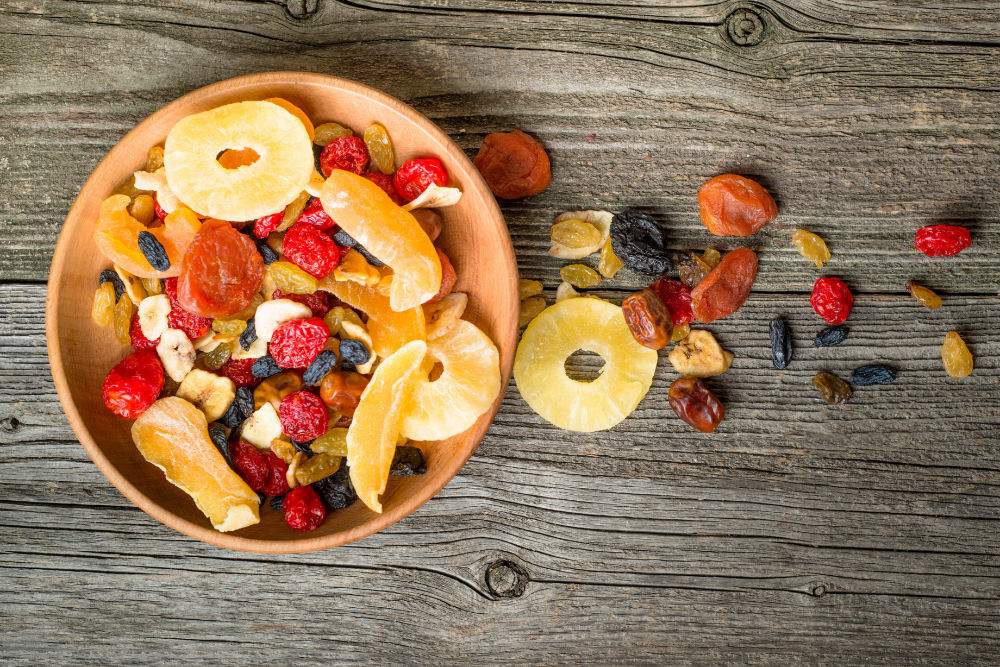
What is the healthiest dried fruit to eat? Dried fruits pack a powerful punch of nutrients into small packages. They give you vitamins, minerals, and fibre without taking up much space in your bag or pantry. But not all dried fruits deliver the same health benefits. Some contain more sugar than others, and some provide better nutrition for your money.
Which Dried Fruit Gives You The Most Health Benefits?
Dates win the top spot for healthiest dried fruit. They contain high amounts of fibre, potassium, magnesium, and antioxidants. One serving of dates (about 4 pieces) gives you 3 grams of fibre and 20% of your daily potassium needs. Research shows dates help with digestion, bone health, and blood sugar control.
Prunes come in second place. These dried plums contain vitamin K, potassium, and compounds that support bone density. Studies prove prunes help prevent bone loss better than other dried fruits. They also keep your digestive system running smoothly because they contain sorbitol, a natural compound that helps with bowel movements.
Dried apricots rank third. Six dried apricot halves give you 19% of your daily vitamin A needs and 6% of your iron requirements. The bright orange colour comes from beta-carotene, which your body converts to vitamin A for healthy eyes and skin.
How Much Sugar Do Different Dried Fruits Contain?
Dried fruits concentrate natural sugars during the drying process. Water leaves the fruit but sugar stays behind. This makes dried fruit much sweeter than fresh fruit.
Here are the sugar amounts in common dried fruits (per 40g serving):
- Dates: 27g of sugar
- Raisins: 24g of sugar
- Dried cranberries: 26g of sugar (often with added sugar)
- Dried figs: 19g of sugar
- Dried apricots: 15g of sugar
- Prunes: 15g of sugar
Dried apricots and prunes contain less sugar than other options. They give you sweetness without overloading your body with sugar.
9 Steps To Shed 5-10kg In 6 Weeks
Includes an exercise plan, nutrition plan, and 20+ tips and tricks.
Download FreeWhat Nutrients Do You Get From Dried Fruit?
Dried fruits deliver concentrated nutrition. The drying process removes water but keeps most vitamins and minerals intact.
Fibre: Most dried fruits contain 2-4 grams of fibre per serving. Prunes lead the pack with 3 grams per 40g serving. Fibre helps you feel full, controls blood sugar, and supports healthy digestion.
Potassium: Dates, prunes, and dried apricots contain high amounts of potassium. This mineral controls blood pressure and supports heart health. One serving of dates gives you 280mg of potassium.
Iron: Dried apricots and prunes provide iron, which carries oxygen through your blood. Women need more iron than men, making these fruits valuable for preventing iron deficiency.
Antioxidants: Prunes contain high levels of antioxidants that protect your cells from damage. Research shows prunes have more antioxidant power than fresh plums.
How Much Does Dried Fruit Cost In Australia?
Dried fruit prices vary based on type and quality. Here are average costs in Australian supermarkets:
- Dates: $12-18 per kilogram
- Prunes: $10-15 per kilogram
- Dried apricots: $15-25 per kilogram
- Raisins: $8-12 per kilogram
- Dried figs: $20-30 per kilogram
Buying in bulk saves money. Health food stores and markets often sell dried fruit cheaper than supermarkets. Check for sales and compare prices between brands.
Should You Choose Organic Dried Fruit?
Organic dried fruit costs more but contains no pesticide residues. Conventional dried fruit may have pesticide traces from the growing process. The drying process concentrates everything in the fruit, including any chemicals used during farming.
Studies show organic produce contains fewer pesticides than conventional produce. If you eat dried fruit daily, organic options reduce your pesticide exposure over time.
Budget matters though. If organic costs too much, conventional dried fruit still provides good nutrition. Wash fresh fruit before drying it yourself to remove surface pesticides.
How Much Dried Fruit Should You Eat Each Day?
Nutritionists recommend eating 30-40 grams of dried fruit per day. This equals about 4 dates, 5 prunes, or 6 dried apricot halves. This serving size gives you nutrients without overloading you with sugar and calories.
Dried fruit contains more calories than fresh fruit because water removal concentrates everything. A cup of fresh grapes contains 60 calories while a cup of raisins contains 430 calories. Portion control matters.
Eat dried fruit with protein or healthy fats to slow sugar absorption. Pair dates with almond butter, add prunes to yogurt, or mix dried apricots with nuts. This combination keeps your blood sugar steady and helps you feel full longer.
FAQ About Dried Fruit
Can diabetics eat dried fruit?
Yes, but in small amounts. Pair dried fruit with protein and choose options lower in sugar like prunes or dried apricots. Monitor blood sugar levels after eating to see how your body responds.
Does dried fruit cause weight gain?
Only if you eat too much. Stick to recommended serving sizes of 30-40 grams per day. The fibre in dried fruit helps control appetite when eaten in proper amounts.
Which dried fruit helps with constipation?
Prunes work best for constipation. They contain sorbitol and fibre that promote bowel movements. Eat 4-5 prunes daily for digestive support.
Should you buy dried fruit with added sugar?
No. Choose dried fruit with no added sugar. Read ingredient labels carefully. Dried cranberries and mango often contain added sugar.
Can you eat dried fruit before exercise?
Yes. Dried fruit provides quick energy from natural sugars. Eat 3-4 dates 30 minutes before training for an energy boost.
How long does dried fruit last?
Dried fruit lasts 6-12 months when stored in airtight containers in cool, dark places. Refrigeration extends shelf life up to 18 months.