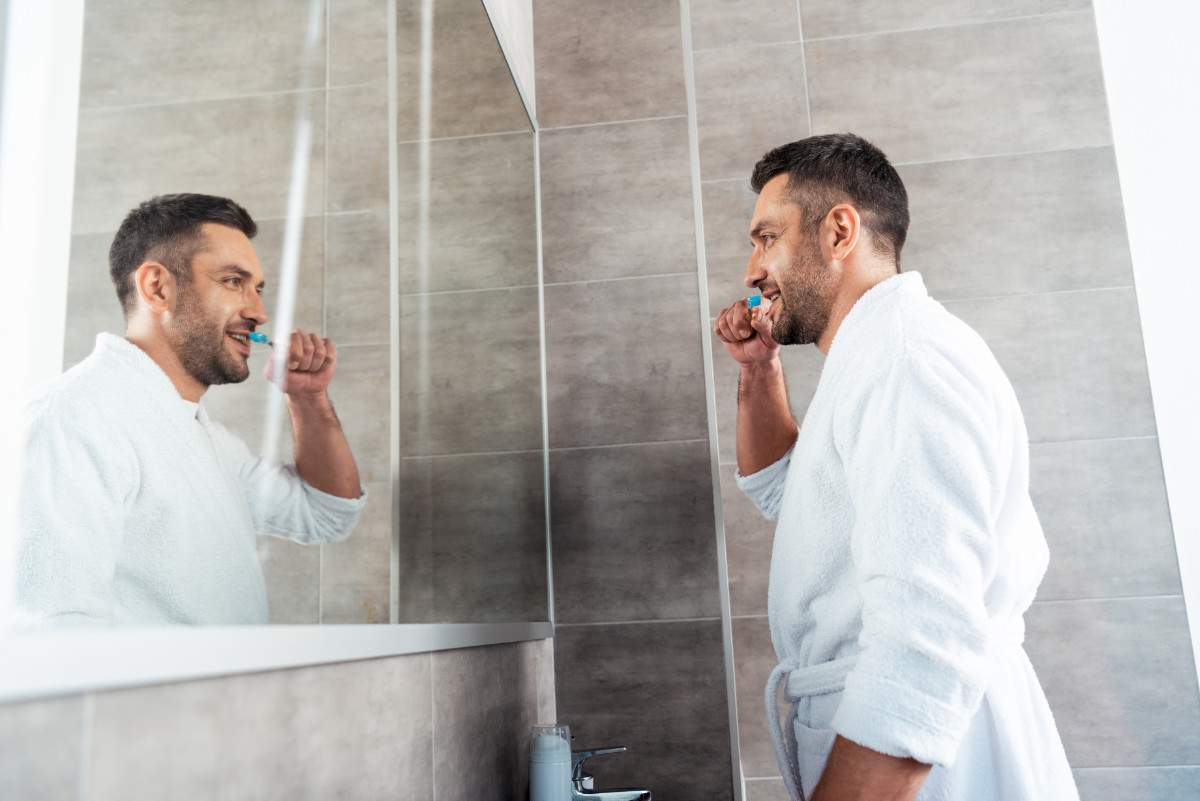
Can I brush my teeth while fasting? Yes, you can brush your teeth while fasting. Brushing your teeth does not break your fast as long as you don’t swallow toothpaste or water. Most health experts and religious authorities agree that oral hygiene remains important during fasting periods.
Does Toothpaste Break Your Fast?
No, toothpaste does not break your fast when you brush correctly.
Toothpaste stays in your mouth for cleaning. You spit it out after brushing. The small amount that might touch your tongue contains minimal calories. Most toothpastes have less than 5 calories per brushing. Your body does not absorb these calories through your mouth lining.
Research shows that maintaining oral hygiene during fasting helps prevent bad breath and tooth decay. Bacteria multiply faster in your mouth when you fast because you produce less saliva. Brushing removes these bacteria and keeps your mouth healthy.
What Happens If I Swallow Toothpaste While Fasting?
Swallowing toothpaste breaks your fast.
When toothpaste enters your stomach, your body processes it like food. This triggers your digestive system. Most religious fasting rules state that anything entering your stomach breaks the fast. The same applies to intermittent fasting for health reasons.
To avoid swallowing toothpaste:
- Use a small amount of toothpaste (pea-sized)
- Brush gently without creating excess foam
- Lean forward over the sink while brushing
- Spit frequently during brushing
- Rinse your mouth carefully and spit out all water
9 Steps To Shed 5-10kg In 6 Weeks
Includes an exercise plan, nutrition plan, and 20+ tips and tricks.
Download FreeCan I Use Mouthwash During Fasting?
You can use mouthwash during fasting if you don’t swallow it.
Mouthwash works like toothpaste. It cleans your mouth and freshens your breath. Spit out all the mouthwash after swishing. Many people who ask “Can I brush my teeth while fasting?” also wonder about mouthwash. The answer stays the same. Keep it in your mouth only.
Alcohol-free mouthwash works best during fasting. Some mouthwashes contain up to 27% alcohol. This alcohol can make you feel lightheaded when your stomach is empty. Choose alcohol-free options to stay comfortable.
When Should I Brush My Teeth During Fasting?
Brush your teeth twice during your fasting period.
Brush once in the morning after you wake up. Brush again before you break your fast. This schedule keeps your mouth clean throughout the day. Morning brushing removes bacteria that built up overnight. Evening brushing prepares your mouth for eating.
Some people brush right before starting their fast. This gives them fresh breath for longer. Others brush just before breaking their fast to enjoy their meal with a clean mouth. Both approaches work well.
Does Brushing Teeth Affect Intermittent Fasting Results?
No, brushing teeth does not affect your intermittent fasting results.
Intermittent fasting works by giving your digestive system a break. Your body switches to burning fat for energy. Brushing your teeth does not trigger insulin release. It does not activate your digestive system. Your body stays in the fasted state.
Studies on intermittent fasting show that oral hygiene practices do not impact weight loss or metabolic benefits. The key factor is keeping food and caloric drinks out of your stomach. Toothpaste that you spit out does not count as breaking your fast.
What About Fluoride Toothpaste During Fasting?
Fluoride toothpaste is safe to use while fasting.
Fluoride strengthens your tooth enamel. It prevents cavities and tooth decay. The amount of fluoride in toothpaste is very small. Your mouth absorbs almost none of it. The fluoride you spit out goes down the drain.
Dentists recommend fluoride toothpaste for everyone. Fasting does not change this recommendation. Your teeth need protection whether you eat or not. Use your regular fluoride toothpaste during fasting periods.
Can I Brush My Teeth During Religious Fasting?
Yes, most religious fasting traditions allow tooth brushing.
Islamic scholars agree that brushing teeth does not break Ramadan fasting. The Prophet Muhammad used a teeth-cleaning stick called miswak while fasting. Modern toothbrushes serve the same purpose. Just avoid swallowing water or toothpaste.
Christian fasting practices also permit tooth brushing. The focus is on abstaining from food, not oral hygiene. Jewish fasting on Yom Kippur allows dry brushing or using a toothbrush without toothpaste. Check with your religious leader if you have specific questions about your faith tradition.
What If I Have Bad Breath While Fasting?
Brush your teeth more often to fight bad breath during fasting.
Bad breath happens because your mouth produces less saliva when you fast. Saliva washes away bacteria. Without enough saliva, bacteria multiply and create odour. Brushing removes these bacteria.
Additional ways to reduce bad breath while fasting:
- Brush your tongue gently
- Use a tongue scraper
- Rinse with water frequently (spit it out)
- Chew sugar-free gum during non-fasting hours
- Stay hydrated before and after fasting periods
Should I Use an Electric or Manual Toothbrush While Fasting?
Both electric and manual toothbrushes work well during fasting.
Electric toothbrushes clean teeth more thoroughly in less time. They remove more plaque than manual brushing. This matters during fasting because you want efficient cleaning. Manual toothbrushes give you more control. You can brush more gently if your mouth feels sensitive.
Choose the toothbrush that you use correctly. Proper technique matters more than the type of brush. Brush for two minutes. Cover all tooth surfaces. Be gentle on your gums.
Can Children Brush Their Teeth While Fasting?
Yes, children should brush their teeth while fasting.
Children need to learn proper oral hygiene. Fasting does not change this need. Teach children to spit out all toothpaste and water. Supervise young children while they brush. Make sure they understand not to swallow anything.
Children under 12 often struggle with fasting. Many religious traditions do not require young children to fast. Focus on teaching good brushing habits. The fasting can wait until they are older and ready.
Does Water Temperature Matter When Rinsing During Fasting?
Water temperature does not matter as long as you spit it out.
Use whatever temperature feels comfortable. Warm water can feel soothing on sensitive gums. Cold water can feel refreshing. The temperature does not affect your fast. The important part is spitting out all the water.
Some people prefer to rinse with less water during fasting. This reduces the chance of accidentally swallowing. Use just enough water to rinse away the toothpaste. One or two small sips works fine.
Frequently Asked Questions
Can I floss while fasting?
Yes, flossing does not break your fast. Floss removes food particles and plaque between teeth. Nothing enters your stomach during flossing.
What if I accidentally swallow water while brushing during a fast?
A tiny amount of water swallowed by accident does not break most fasts. If you swallow a large gulp, you may need to restart your fast. Check your specific fasting guidelines.
Can I use whitening toothpaste while fasting?
Yes, whitening toothpaste is fine during fasting. It works the same as regular toothpaste. Spit it out completely after brushing.
Should I brush before or after drinking water to break my fast?
Brush before breaking your fast. This removes bacteria and gives you a fresh mouth for eating. You can brush again after eating if needed.
Can I use toothpicks while fasting?
Yes, toothpicks are safe during fasting. They remove food stuck between teeth. Do not swallow anything you remove with the toothpick.
Does charcoal toothpaste break a fast?
No, charcoal toothpaste does not break your fast when you spit it out. It works like regular toothpaste. Avoid swallowing any of it.
Can I brush my teeth during a water fast?
Yes, brush your teeth during a water fast. Use your regular toothpaste. Spit out everything. The rules are the same as other types of fasting.
What if my gums bleed while brushing during a fast?
Bleeding gums do not break your fast. The blood stays in your mouth. Spit it out with the toothpaste. If your gums bleed often, see a dentist. You might have gum disease.
Key Takeaways
Brushing your teeth during fasting keeps your mouth healthy. You can brush normally as long as you spit out all toothpaste and water. Swallowing breaks your fast. Swallowing nothing keeps your fast intact.
Good oral hygiene matters during fasting. Your mouth needs cleaning whether you eat or not. Bacteria do not take a break when you fast. Brush twice daily. Use fluoride toothpaste. Floss between teeth. Your mouth will thank you.
Most fasting traditions support tooth brushing. Religious leaders and health experts agree. Clean teeth and fresh breath make fasting more comfortable. Follow proper brushing technique. Spit out everything. Continue your normal dental care routine during fasting periods.