Can too much protein turn to fat? You eat protein to build muscle. You want to get stronger. But can eating too much protein make you gain fat instead?
Yes. Your body can turn extra protein into fat. This happens when you eat more protein than your body needs and you consume more calories than you burn each day.
Does Protein Turn Into Body Fat?
Your body stores extra calories as fat. This rule applies to all food types. Protein, carbs, and fats all become body fat when you eat too much.
Here’s what happens inside your body. When you eat protein, your body breaks it down into amino acids. Your muscles use these amino acids to repair and grow. Your organs need them too. But your body can only use so much protein at once.
The leftover protein doesn’t just disappear. Your body converts the extra amino acids through a process in your liver. This process turns them into glucose or fat. Your body then stores this fat in your fat cells.
Research shows that eating more calories than you burn causes weight gain. The source of those calories matters less than the total amount. A 2012 study found that people who ate 800 extra calories per day gained weight. This happened whether those calories came from protein, carbs, or fat.
How Much Protein Do You Actually Need?
Most adults need 0.8 grams of protein per kilogram of body weight each day. This equals about 56 grams for the average man and 46 grams for the average woman.
Athletes and people who lift weights need more. They should aim for 1.6 to 2.2 grams per kilogram of body weight. A person who weighs 80 kilograms and trains hard needs about 128 to 176 grams of protein daily.
Your body can only process about 20 to 40 grams of protein per meal for muscle building. Eating 100 grams of protein in one sitting doesn’t give you better results. The extra protein just gets stored or used for energy.
Can too much protein turn to fat? Yes, but only when you eat more total calories than your body burns. The protein itself isn’t the problem. The extra calories are.
9 Steps To Shed 5-10kg In 6 Weeks
Includes an exercise plan, nutrition plan, and 20+ tips and tricks.
Download FreeWhat Happens When You Eat Too Much Protein?
Your body treats excess protein like any other excess nutrient. It stores the energy as fat.
Scientists tracked people who ate different amounts of protein while consuming extra calories. One group ate normal protein. Another group ate high protein. Both groups gained weight because they ate more calories than they needed.
The high protein group did gain slightly more muscle. But they still gained fat from the extra calories. This proves that protein doesn’t magically avoid becoming fat storage.
Your kidneys also work harder when you eat lots of protein. They filter out the waste products from protein breakdown. Healthy kidneys handle this fine. But people with kidney problems should watch their protein intake.
Does Protein Help You Lose Fat?
Protein helps you lose fat in three ways.
First, protein makes you feel full. You eat less throughout the day. Studies show that people who eat high protein breakfasts consume fewer calories at lunch and dinner.
Second, your body burns more calories digesting protein than it burns digesting carbs or fat. This effect is called the thermic effect of food. Protein uses 20 to 30 percent of its calories just for digestion. Carbs use 5 to 10 percent. Fats use 0 to 3 percent.
Third, protein protects your muscle mass when you lose weight. Your body wants to burn both fat and muscle during weight loss. Eating enough protein tells your body to keep the muscle and burn the fat instead.
A 2015 study showed that people who ate twice the recommended protein amount lost more fat and kept more muscle. They ate fewer total calories because the protein kept them full.
Can You Eat Unlimited Protein and Stay Lean?
No. Calories still matter most for weight control.
You could eat only chicken breast and protein shakes all day. If those foods give you more calories than you burn, you will gain fat. The laws of energy balance don’t change based on what you eat.
Think about it this way. A 200 gram chicken breast has about 330 calories. If you eat six of these per day, that’s 1,980 calories just from chicken. Add in any other food and you might exceed your daily calorie needs.
Your body stores those extra calories as fat. The fact that they came from protein doesn’t matter.
How Many Calories Does Protein Have?
Protein contains 4 calories per gram. This matches carbohydrates. Fat contains 9 calories per gram.
A 100 gram serving of chicken breast has about 31 grams of protein. That’s 124 calories from protein alone. The chicken also has some fat, bringing the total to about 165 calories.
A protein shake with 30 grams of protein powder gives you 120 calories from protein. Many protein powders add extra ingredients. Check the label for the total calorie count.
These calories add up quickly. Five protein shakes per day equals 600 calories or more. Add your regular meals and you might eat too many calories without realising it.
What Foods Have High Protein?
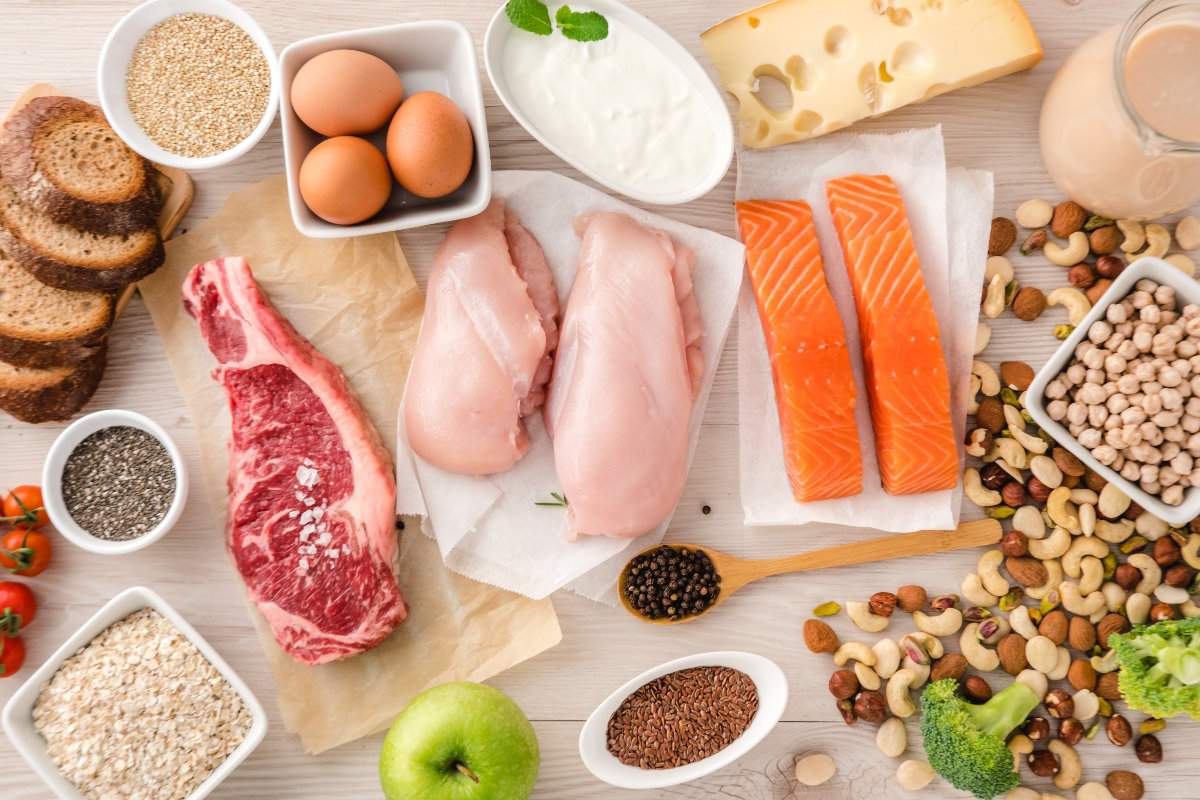
Animal foods pack the most protein per serving:
- Chicken breast: 31 grams per 100 grams
- Beef: 26 grams per 100 grams
- Fish: 20 to 25 grams per 100 grams
- Eggs: 6 grams per egg
- Greek yogurt: 10 grams per 100 grams
- Cottage cheese: 11 grams per 100 grams
Plant foods with good protein include:
- Lentils: 9 grams per 100 grams cooked
- Chickpeas: 9 grams per 100 grams cooked
- Tofu: 8 grams per 100 grams
- Quinoa: 4 grams per 100 grams cooked
- Nuts: 15 to 20 grams per 100 grams
Protein supplements offer concentrated protein:
- Whey protein powder: 20 to 30 grams per scoop
- Casein protein powder: 20 to 25 grams per scoop
- Plant protein powder: 15 to 25 grams per scoop
Should You Track Your Protein Intake?
Tracking helps you hit your protein goals without going overboard.
Most people don’t eat enough protein. They fill up on carbs and fats instead. Tracking shows you exactly how much protein you eat each day.
Use a food tracking app on your phone. Log everything you eat for one week. This gives you a clear picture of your eating habits.
You might discover you only eat 50 grams of protein per day. Or you might find you eat 200 grams without trying. Both situations need adjustment.
Aim for your target protein amount. Spread it across three to five meals. This helps your body use the protein efficiently.
Does Protein Quality Matter?
Yes. Your body uses different proteins in different ways.
Complete proteins contain all nine essential amino acids. Your body cannot make these amino acids on its own. You must get them from food.
Animal proteins are complete proteins. They give you all the amino acids you need. Plant proteins often lack one or more essential amino acids.
You can combine plant proteins to get all essential amino acids. Eat beans with rice. Have peanut butter on bread. These combinations create complete proteins.
Your body absorbs animal proteins more easily than plant proteins. Whey protein absorbs the fastest. Your muscles can use it within 30 minutes. Casein protein absorbs slowly over several hours.
Both types work well. Fast-absorbing protein helps after workouts. Slow-absorbing protein works well before bed.
Can Protein Make You Gain Weight?
Protein makes you gain weight only when you eat too many total calories.
Some people try to bulk up by eating massive amounts of protein. They drink three protein shakes per day on top of large meals. This strategy works only if they need those extra calories.
A person who burns 2,500 calories per day needs to eat more than 2,500 calories to gain weight. The extra calories can come from protein, carbs, or fat. The total calorie amount matters most.
Protein does help you gain muscle weight when combined with strength training. Your muscles need protein to grow. But they also need enough total calories and proper training stimulus.
Eating 300 grams of protein per day won’t build more muscle than eating 150 grams. Your body has limits on how much muscle it can build. Extra protein beyond your needs just becomes expensive calories.
How Much Does Protein Cost?
Protein costs vary widely based on the source.
Chicken breast costs about $12 to $15 per kilogram in Australia. One kilogram gives you about 310 grams of protein. That’s roughly $0.04 to $0.05 per gram of protein.
Eggs cost about $6 to $8 per dozen. Each egg has 6 grams of protein. That’s about $0.08 to $0.11 per gram of protein.
Whey protein powder costs about $30 to $60 per kilogram. One kilogram of powder contains about 750 grams of protein. That’s roughly $0.04 to $0.08 per gram of protein.
Beef costs more at $15 to $25 per kilogram. It provides about 260 grams of protein per kilogram. That’s about $0.06 to $0.10 per gram of protein.
Plant proteins cost less. Lentils cost about $3 to $5 per kilogram dried. They provide about 250 grams of protein per kilogram when cooked. That’s roughly $0.01 to $0.02 per gram of protein.
Frequently Asked Questions
Does eating protein before bed make you fat?
No. Eating protein before bed does not make you fat. Your body processes protein the same way at night as it does during the day. You gain fat only when you eat more total calories than you burn. The timing of your protein intake doesn’t change this rule.
Can you eat 200 grams of protein per day?
Yes. You can eat 200 grams of protein per day safely if you have healthy kidneys. Athletes and bodybuilders often eat this much protein. But you only need this much if you weigh over 90 kilograms and train hard. Most people need less protein than this.
Does protein turn to sugar in your body?
Yes. Your body can convert protein to glucose through a process called gluconeogenesis. This happens when you don’t eat enough carbs or when you eat more protein than your body needs. But this process is slow and inefficient. Your body prefers to use carbs for energy and protein for building tissue.
Will protein shakes make you gain weight?
Protein shakes make you gain weight only if they push your total daily calories above what you burn. A protein shake adds 120 to 200 calories to your day. If you drink three shakes per day without reducing other food, you add 360 to 600 extra calories. This can cause weight gain over time.
How long does protein stay in your system?
Protein takes 3 to 5 hours to digest fully. Fast proteins like whey digest in 1 to 2 hours. Slow proteins like casein take 6 to 8 hours. Your body uses the amino acids from protein for up to 24 hours after eating. This is why you should spread your protein intake throughout the day.
Can you build muscle without eating extra protein?
No. You cannot build significant muscle without eating enough protein. Your muscles need amino acids to grow. If you don’t eat enough protein, your body breaks down existing muscle to get the amino acids it needs. Aim for at least 1.6 grams per kilogram of body weight when building muscle.
Does cooking protein destroy it?
No. Cooking protein does not destroy it. Heat changes the structure of protein molecules but doesn’t eliminate them. Your body can still digest and use cooked protein. In fact, cooking often makes protein easier to digest. Raw egg whites are harder to digest than cooked egg whites.
Can eating too much protein damage your kidneys?
No. Eating high amounts of protein does not damage healthy kidneys. Studies show that people with normal kidney function can safely eat high protein diets. However, people with existing kidney disease should limit protein intake. Talk to your doctor if you have kidney problems.
The Bottom Line
Your body can turn excess protein into fat. This happens when you eat more calories than you burn. The source of those calories doesn’t matter as much as the total amount.
Protein helps you build muscle and lose fat when you eat the right amount. Most people need 0.8 to 2.2 grams per kilogram of body weight. Athletes need more than sedentary people.
Track your protein intake for one week. Make sure you hit your target amount. Spread your protein across multiple meals throughout the day.
Focus on your total calorie intake. Eat slightly more calories than you burn to gain muscle. Eat slightly fewer calories than you burn to lose fat. Keep your protein intake consistent in both situations.
Protein is important for your health and fitness goals. But it’s not magic. You still need to control your total calorie intake to manage your weight.