What is the Best Drink During Workout?
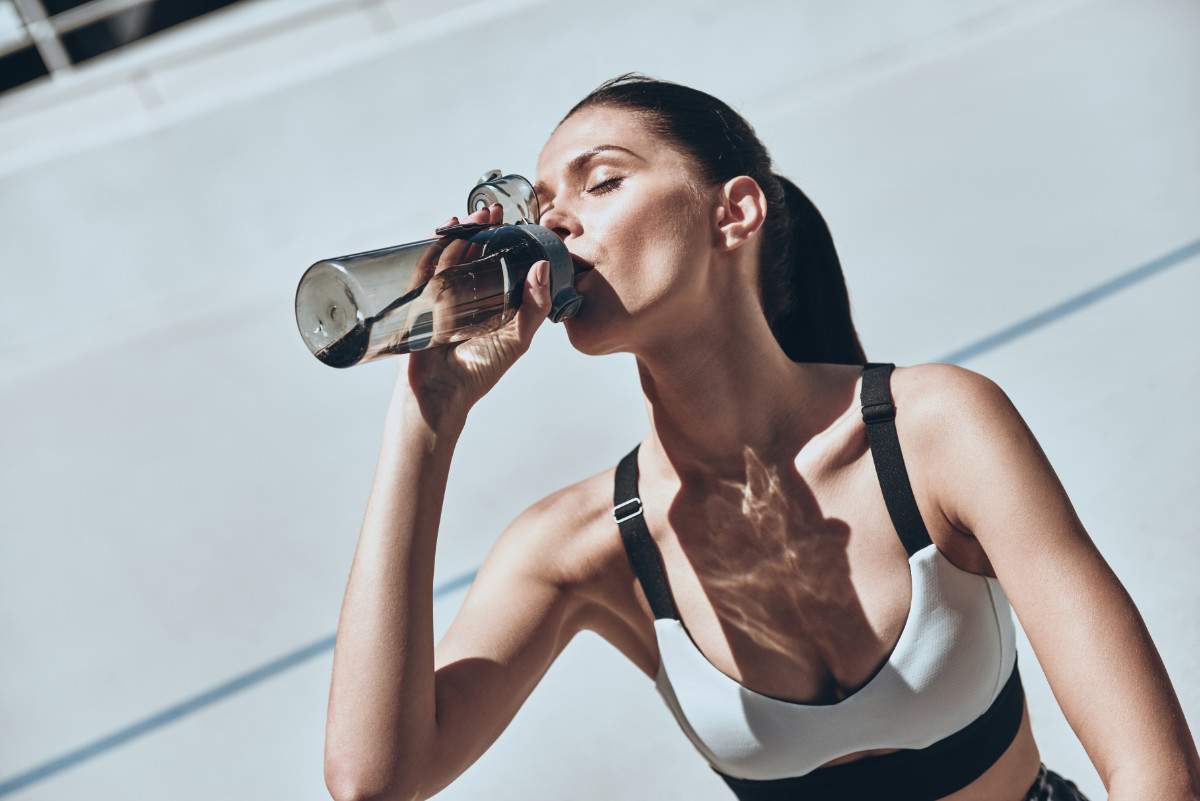
The short answer: water is enough for most workouts under an hour. If you’re training hard for longer than that or sweating heavily, add electrolytes and carbs to keep your performance up.
When it comes to what you should be sipping during your training, it’s not complicated. But it does depend on a few things—mainly how long you’re working out and how hard you’re pushing. Let me break down what actually works, backed by the science.
Water Is Your Best Friend for Most Sessions
For most people doing a typical workout—whether it’s weight training, a gym class, or a moderate cardio session—plain water is genuinely all you need. This is especially true if your session is under 60 minutes. Your body has enough stored energy and can maintain electrolyte balance without anything fancy added.
Here’s why water works so well: it replaces the fluid you’re losing through sweat and keeps your blood volume stable so your heart doesn’t have to work harder than it already is. When you’re dehydrated, even just a little bit, your performance drops. Studies show that a 2 percent loss in body weight from fluid alone can lower your endurance by up to 25 percent.
The practical approach is simple—drink to thirst. If you feel thirsty, take a sip. You don’t need to overthink it for shorter sessions. Keep a bottle with you and drink roughly 7 to 10 ounces (about 200-300ml) every 10 to 20 minutes if you tend to sweat a lot.
When You Actually Need a Sports Drink
Sports drinks make sense when you’re training hard for longer than an hour, especially if it’s hot and humid outside or you’re sweating heavily. Once you cross that 60-minute mark, your body starts burning through its energy stores faster, and you’re losing meaningful amounts of sodium through sweat.
A properly formulated sports drink has three key things working for you: carbohydrates for energy, sodium to help your body hold onto the fluid you’re drinking, and electrolytes to maintain your performance. The carbs give your muscles immediate fuel, which can actually help you push harder and recover better. The sodium is the secret ingredient—it makes your body actually retain the water you’re drinking instead of just peeing it out.
For workouts between 60 and 120 minutes, aim for about 30 to 60 grams of carbs per hour (roughly one sports drink bottle or 1-2 energy gels). If you’re training hard for longer than two hours, especially in the heat, don’t rely on water alone. Your performance will drop, your recovery will be slower, and you risk hyponatremia—a condition where sodium levels in your blood drop too low, which actually causes your muscles to contract weirdly.
The real question for your situation: are you a heavy sweater, or training in hot conditions? If yes and you’re going over an hour, a sports drink is worth it. If you’re in air conditioning doing a short to moderate session, save your money and stick with water.
9 Steps To Shed 5-10kg In 6 Weeks
Includes an exercise plan, nutrition plan, and 20+ tips and tricks.
Download FreeWhat About Electrolytes and Sodium?
Here’s where things get real about electrolytes. For most workouts, you don’t actually need to replace sodium during the session itself. Your body has stores of sodium it can draw from, and most people doing normal exercise aren’t sweating enough to deplete them in one go.
That said, sodium becomes more important in two specific situations: when you’re training for more than 4 hours straight (think ultra-endurance events), or when you’re replacing more than 70 percent of your sweat losses with fluid. Heavy sweaters who lose more than 1 gram of sodium per liter of sweat—roughly 40 millimoles per liter if you’re tracking it—might benefit from targeted electrolyte replacement during long sessions.
For everyday athletes and regular gym-goers, the electrolyte loss isn’t worth stressing about. The sodium you consume in your meals throughout the day and the electrolytes in a sports drink (if you’re using one) are usually enough.
Other Hydration Options Worth Knowing
Coconut water can work if you like it, but it’s not a full substitute for sports drinks during intense workouts. It has potassium and some carbs, but lower sodium than you’d really want during heavy sweating. It’s better as a post-workout rehydration option.
Chocolate milk actually makes a solid post-workout drink because it has carbs, protein, and electrolytes—but save it for after your session, not during. Many people feel sluggish drinking it mid-workout.
Diluted juice can work in a pinch if you’re doing a longer session. Mix it with water and maybe add a tiny pinch of salt. It’s not ideal but it’s better than nothing if that’s what you have.
How Much Should You Actually Drink?
The amount depends on how much you sweat and how long you’re going. Here’s the practical math: weigh yourself before and after your workout. If you lost weight, you lost fluid. You should be drinking enough to minimize that loss—ideally staying within 2 percent of your starting weight.
If you’re exercising less than an hour: drink when you’re thirsty. That’s it.
If you’re exercising 60 to 120 minutes: aim for roughly half a liter of fluid spread throughout the session, sipped regularly.
If you’re exercising more than two hours: drink about 500ml (16 ounces) per hour, adjusting based on how much you’re sweating and the heat conditions.
The key is little and often—regular sips rather than chugging a ton at once, which can cause cramping and bloating.
FAQ: Your Hydration Questions Answered
Do I need a sports drink for weight training?
Probably not. Most weight training sessions are under an hour with rest between sets, so water is fine. If you’re doing a high-intensity circuit session that runs over 60 minutes, a sports drink might help with energy and recovery, but it’s not essential.
Is it bad to drink only water during a long workout?
Yes, if you’re sweating heavily for more than an hour. Relying on plain water alone means you’re diluting your blood sodium and not getting any fuel for your muscles. You’ll feel more fatigued and recovery suffers.
What’s the difference between sports drinks and electrolyte tablets?
Sports drinks have carbs plus electrolytes. Electrolyte tabs are just minerals—sodium, potassium, magnesium. If you want energy during your workout, sports drinks are better. If you just want hydration and electrolytes without the sugar, tabs work.
Can I drink too much water during exercise?
Yes. Drinking excessive amounts of plain water, especially over a long period, can dilute your blood sodium too much and cause hyponatremia. Don’t force yourself to drink if you’re not thirsty, and if you are drinking a lot, use a sports drink with sodium.
What if I have a sensitive stomach?
Start with small sips of water during your workout. If you want to try a sports drink, pick one with a lower carb percentage (around 4-6 percent) and test it during a non-critical workout first, not before a big session.
Should I drink before, during, or after?
All three matter, but differently. Before: drink roughly 16-20 ounces about 2-3 hours before you start, so you’re hydrated without sloshing. During: sip regularly throughout your workout, not all at once. After: drink roughly 16-24 ounces for every pound of body weight you lost.
Is coconut water better than sports drinks?
Not really for intense workouts. It has fewer electrolytes than a properly formulated sports drink and less sodium. Use it post-workout if you like the taste, but don’t count on it during heavy exertion.
How do I know if I’m dehydrated during a workout?
You’ll feel it—increased fatigue, shortness of breath, your heart rate stays high even at lower intensity, and your performance drops noticeably. By the time you feel very thirsty, you’re already dehydrated.
Your Simple Action Step
Before your next workout, decide based on duration and intensity: Under an hour or moderate effort? Bring water. Over an hour, high intensity, or hot conditions? Have a sports drink or electrolyte mix ready. Track how you feel and perform. You’ll quickly learn what your body needs. The best hydration strategy is the one you’ll actually stick to and that keeps you feeling strong through your session.