Edamame wins. These young soybeans pack 18.5 grams of protein per cooked cup. That beats every other vegetable by a huge margin.
Most people think vegetables contain barely any protein. This is wrong. Several vegetables deliver solid protein amounts that help build muscle and keep you full. You just need to know which ones work best.
What Makes Edamame the Protein Champion?
Edamame contains complete protein. This means it has all nine essential amino acids your body cannot make on its own. Most vegetables lack one or more of these amino acids. Edamame stands alone.
One cup of cooked edamame gives you:
- 18.5 grams of protein
- 8 grams of fibre
- 10% of your daily iron needs
- 16% of your daily calcium needs
You can buy frozen edamame at Coles or Woolworths for around $4 to $6 per 500-gram bag. Each bag contains roughly three servings. This works out to about $1.50 per serving for 18 grams of protein.
9 Steps To Shed 5-10kg In 6 Weeks
Includes an exercise plan, nutrition plan, and 20+ tips and tricks.
Download FreeWhich Vegetables Come Second for Protein?
Green peas rank second. One cup of cooked green peas delivers 8.6 grams of protein. They cost less than edamame too. A 500-gram bag of frozen peas costs about $3 at most Australian supermarkets.
Spinach takes third place. One cup of cooked spinach contains 5.3 grams of protein. Fresh spinach costs around $3 to $4 per bunch. Frozen spinach costs about $3 for a 500-gram bag and lasts longer in your freezer.
Sweet corn comes fourth with 5.1 grams of protein per cooked cup. A can of corn costs about $1.50 at Woolworths. Frozen corn costs around $3 for a 500-gram bag.
Here are the top 10 protein-packed vegetables:
- Edamame – 18.5g per cup
- Green peas – 8.6g per cup
- Spinach – 5.3g per cup
- Sweet corn – 5.1g per cup
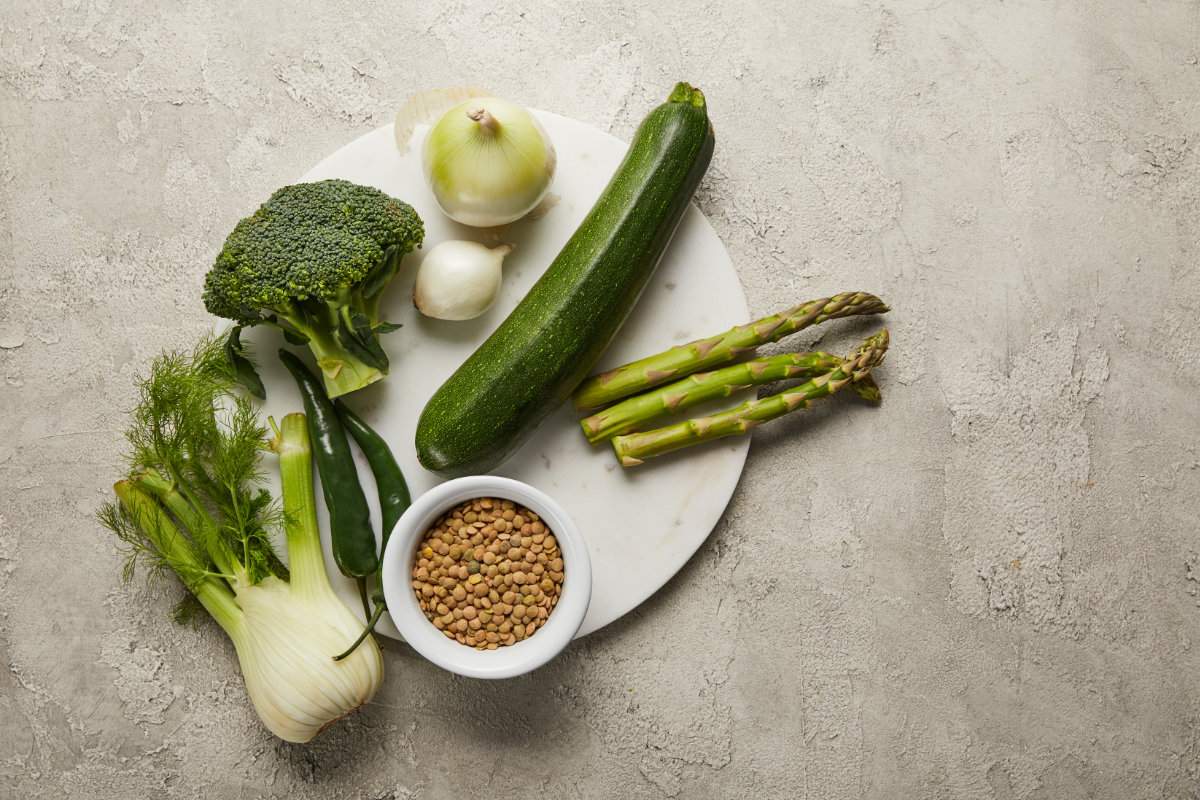
- Broccoli – 4.3g per cup
- Brussels sprouts – 4g per cup
- Asparagus – 4g per cup
- Artichokes – 3.5g per cup
- Kale – 3.5g per cup
- Mushrooms – 3.3g per cup
How Much Protein Do You Actually Need?
Adults need 0.8 grams of protein per kilogram of body weight each day. A person who weighs 70 kilograms needs 56 grams of protein daily. Athletes and people who lift weights need more. They should aim for 1.2 to 2 grams per kilogram.
Which vegetable is the highest in protein? Edamame delivers the most at 18.5 grams per cup, but you still need other protein sources throughout your day. One cup of edamame covers about one third of the daily protein needs for a 70-kilogram person.
Can You Build Muscle Eating Only Vegetables?
Yes, but it takes planning. You need to eat larger amounts of vegetables to match the protein in meat. One chicken breast contains about 31 grams of protein. You would need to eat nearly two cups of edamame to match that amount.
Combining different vegetables helps you get all essential amino acids. Pair edamame with quinoa, or mix green peas with brown rice. These combinations create complete proteins that support muscle growth.
Research shows plant-based diets build muscle just as well as meat-based diets when protein intake stays high enough. A 2021 study in Sports Medicine found no difference in muscle gain between people eating plant protein versus animal protein. The key factor was total protein amount, not the source.
What About Protein Quality in Vegetables?
Protein quality matters. Scientists measure this using the PDCAAS score. This stands for Protein Digestibility Corrected Amino Acid Score. The scale runs from 0 to 1, with 1 being perfect.
Edamame scores 0.91 on the PDCAAS scale. This ranks it close to animal proteins like eggs (1.0) and beef (0.92). Green peas score 0.73. Most other vegetables score between 0.5 and 0.7.
Your body absorbs and uses protein from edamame almost as well as protein from meat. This makes edamame an excellent choice for people who eat less meat or follow plant-based diets.
How Should You Cook High-Protein Vegetables?
Steaming preserves the most protein. Boiling vegetables in water causes some protein to leak out. Studies show boiling can reduce protein content by 15% to 20%.
Steam edamame for 5 minutes. Steam green peas for 3 minutes. Steam broccoli for 4 to 5 minutes. These short cooking times keep the vegetables crisp and lock in nutrients.
Roasting works well too. Toss vegetables in a small amount of olive oil and roast at 200°C for 15 to 20 minutes. Roasting concentrates flavours and keeps protein intact.
Do Frozen Vegetables Have Less Protein?
No. Frozen vegetables contain the same protein as fresh ones. Companies freeze vegetables within hours of harvest. This locks in nutrients including protein.
Frozen edamame often costs less than fresh edamame. A 500-gram bag of frozen edamame at Woolworths costs about $5. Fresh edamame in pods costs around $8 to $10 per 500 grams when you can find it.
Frozen vegetables last months in your freezer. Fresh vegetables spoil within days. Buying frozen reduces food waste and saves money.
What About Protein Powders Made from Vegetables?
Pea protein powder has become popular. It contains 20 to 25 grams of protein per 30-gram scoop. This matches whey protein powder.
A 1-kilogram bag of pea protein powder costs about $25 to $35 at Australian health food stores. This works out to roughly $1 per serving. Eating whole edamame costs about the same but gives you extra fibre and nutrients that powder lacks.
Whole vegetables beat protein powder for overall nutrition. Vegetables contain fibre, vitamins, minerals and antioxidants. Protein powder contains mostly just protein.
How Do Vegetable Proteins Compare to Meat?
Meat contains more protein per 100 grams than vegetables. Chicken breast has 31 grams of protein per 100 grams. Beef has 26 grams. Edamame has 11 grams per 100 grams.
But vegetables cost less. Chicken breast costs about $12 per kilogram at Coles. This equals roughly $1.20 for 100 grams and 31 grams of protein. Frozen edamame costs about $1 per 100 grams and 11 grams of protein.
Vegetables also contain zero cholesterol and less saturated fat than meat. They provide fibre which meat lacks completely. A balanced diet includes both plant and animal proteins.
Can Kids Get Enough Protein from Vegetables?
Yes. Children aged 4 to 8 need about 19 grams of protein daily. One cup of edamame nearly covers this entire amount. Add some peanut butter on toast and a glass of milk and they easily hit their protein target.
Kids aged 9 to 13 need 34 grams of protein daily. Two cups of edamame plus normal meals throughout the day provides plenty of protein.
Many kids dislike edamame at first. Try these tricks:
- Sprinkle sea salt on steamed edamame
- Blend edamame into pasta sauce
- Add edamame to fried rice
- Mix edamame into smoothies with fruit
- Roast edamame until crispy for a crunchy snack
What About Protein for Weight Loss?
High-protein vegetables help you lose weight. Protein keeps you full longer than carbs or fat. This reduces snacking between meals.
Edamame contains 8 grams of fibre per cup along with its 18.5 grams of protein. This combination crushes hunger. Research shows people who eat more protein and fibre lose more weight than people who eat less.
A 2020 study in the Journal of Nutrition found that increasing protein intake to 25% to 30% of total calories helped people lose weight without counting calories. The protein naturally reduced their appetite.
Green peas and spinach work well for weight loss too. They pack protein and fibre while staying low in calories. One cup of cooked spinach has only 41 calories but delivers 5.3 grams of protein.
Frequently Asked Questions
How much edamame should I eat per day?
One to two cups of edamame per day provides excellent protein without overdoing soy intake. This gives you 18 to 37 grams of protein from edamame alone.
Is edamame safe to eat every day?
Yes. Edamame is safe for daily consumption. Studies show eating soy foods like edamame every day does not cause hormone problems in men or women. The phytoestrogens in soy are much weaker than human estrogen.
Can I eat edamame raw?
No. Raw edamame contains compounds that block protein digestion. Always cook edamame by steaming or boiling for at least 5 minutes.
Which is better for protein, fresh or frozen edamame?
Both contain the same protein. Frozen edamame costs less and lasts longer. Fresh edamame tastes slightly sweeter but spoils quickly.
Do I need to eat meat if I eat high-protein vegetables?
No. You can meet all protein needs through plant foods. Combine different protein sources throughout the day to get all essential amino acids.
How long does cooked edamame last in the fridge?
Cooked edamame lasts 3 to 4 days in an airtight container in the fridge. Freeze cooked edamame for up to 3 months.
Can I grow edamame in Australia?
Yes. Edamame grows well in warm Australian climates. Plant seeds in spring after the last frost. Harvest pods when they feel plump but before they turn yellow.
Does cooking method change protein content?
Steaming preserves the most protein. Boiling reduces protein by 15% to 20%. Roasting keeps protein intact.
Are canned vegetables high in protein?
Canned vegetables contain similar protein to fresh and frozen options. Canned green peas have about 8 grams of protein per cup. Rinse canned vegetables to reduce sodium.
What vegetables have the least protein?
Lettuce, cucumber and celery contain less than 1 gram of protein per cup. These vegetables provide other nutrients but contribute little protein to your diet.
The Bottom Line
Edamame dominates as the highest-protein vegetable with 18.5 grams per cup. Green peas come second with 8.6 grams per cup. Spinach, corn and broccoli round out the top five.
Add these vegetables to your meals to boost protein intake. Steam them to preserve nutrients. Buy frozen versions to save money and reduce waste.
You can build muscle, lose weight and stay healthy eating high-protein vegetables. Combine them with other protein sources throughout your day for best results. Your body will thank you.