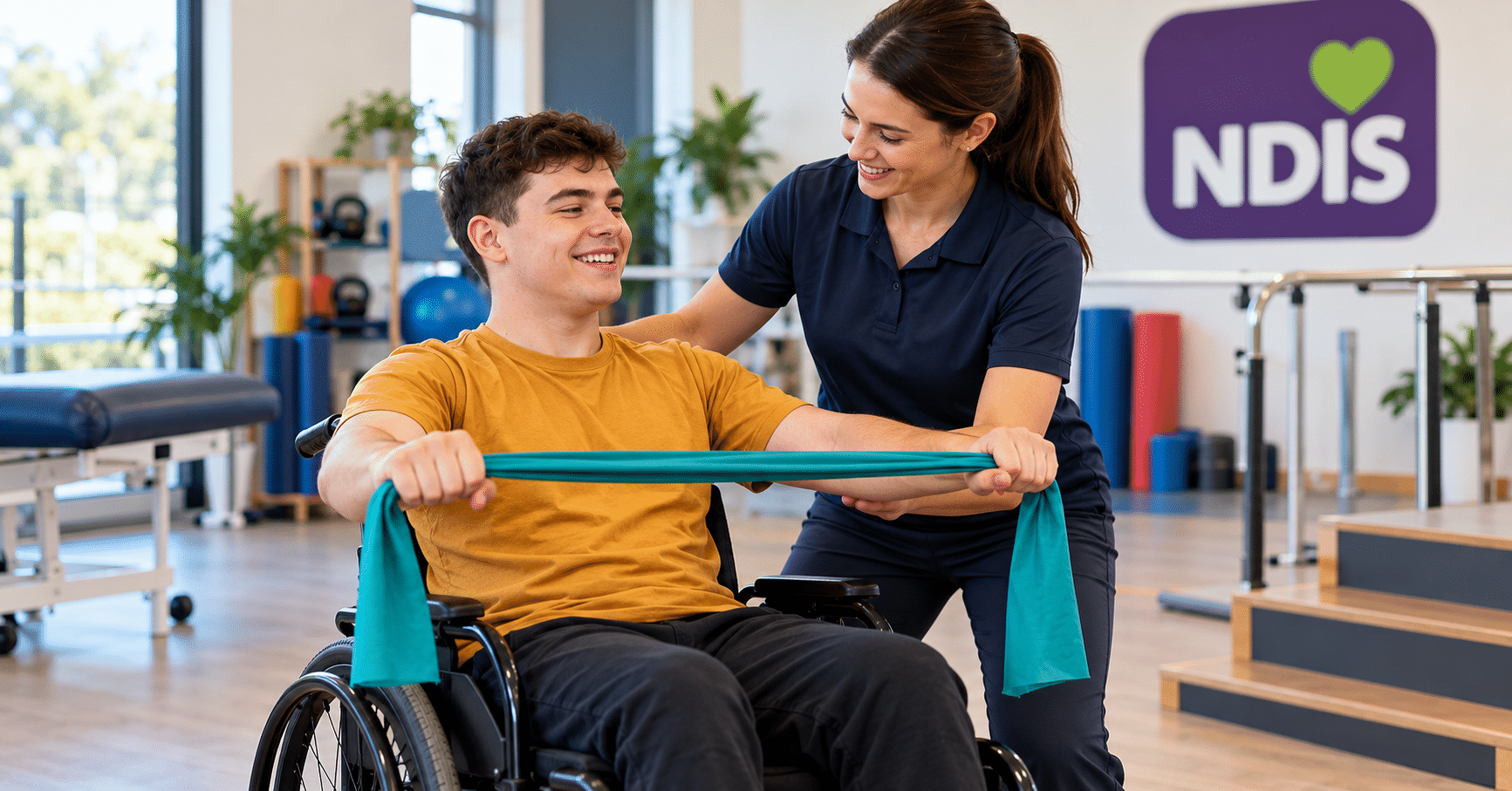
The fastest way to increase bone density is high-intensity progressive resistance training combined with impact loading, performed twice weekly for a minimum of 8 months. The landmark LIFTMOR trial showed that postmenopausal women who lifted heavy weights at 85% or more of their one-repetition maximum, using exercises like deadlifts, squats, and overhead presses, achieved measurable gains in lumbar spine and hip bone mineral density (BMD) that far outpaced those seen with low-intensity exercise. A 2025 meta-analysis of 17 randomised controlled trials confirmed the same pattern, finding significant BMD improvements at the lumbar spine, femoral neck, and total hip with high-intensity protocols producing the strongest effects.
If heavy lifting is not currently accessible to you, a multicomponent program combining moderate-intensity resistance work, weight-bearing activity, and balance training still produces meaningful results, just on a slower timeline. Either way, pairing your exercise program with adequate calcium, vitamin D, and protein intake is non-negotiable for getting the most out of every training session. Here is everything you need to know.
Can Bone Density Be Built Back Up?
Yes, bone density can absolutely be built back up, even after a diagnosis of osteopenia or osteoporosis. Bone is a living tissue that continuously remodels itself through a process involving two key cell types: osteoblasts, which lay down new bone matrix, and osteoclasts, which resorb older bone. In healthy younger adults, these two forces stay roughly in balance. After menopause or with prolonged inactivity, osteoclast activity tends to dominate, leading to net bone loss.
The good news is that bone responds directly to mechanical loading through a process called mechanotransduction. When high-magnitude forces are applied to the skeleton rapidly, as they are during heavy resistance exercise and impact activities, the skeletal system detects the stress and signals osteoblasts to increase bone formation. This shifts the balance back toward net bone gain. Research consistently shows that with the right training stimulus, adults of all ages can make clinically meaningful improvements in BMD [1, 2, 3].
The caveat is that gains take time, typically 6 to 12 months to show up on a DEXA scan, and they are site-specific. Exercises load particular bones, and those are the bones that respond. A leg-focused program will improve hip and spine BMD; it will not meaningfully affect wrist density. This is why program design matters enormously.
The Mechanism: Why Heavy Loading Works Fastest
Your skeletal system functions, in many respects, like an adaptive biological structure, one that follows a simple rule: use it or lose it. When bones experience forces that exceed those of everyday movement, fluid shifts within the bone’s canalicular network generate signals that activate osteoblasts. The rate at which force is applied matters just as much as the magnitude. This is why high-velocity impact activities (jumping, hopping, bounding) and heavy resistance training are more osteogenic than slow, low-load movements like gentle walking.
For weight-bearing exercises to drive bone adaptation, they must generate ground reaction forces that exceed those encountered in normal daily activities. A casual stroll does not clear that threshold for most people. A loaded barbell squat does, decisively. This explains why the LIFTMOR protocol, built around five sets of five repetitions at high intensity, outperformed home-based low-load programs so convincingly.
What Are 5 Exercises That Increase Bone Density?
Based on the research evidence, these five exercises consistently appear in high-performing bone-loading protocols:
- Barbell Back Squat, Loads the lumbar spine and proximal femur simultaneously, the two sites most vulnerable to osteoporotic fracture. Work toward 80, 85% of your one-repetition maximum under supervised guidance.
- Deadlift, Produces exceptionally high compressive and tensile forces through the entire posterior chain, including the lumbar vertebrae and hip bones. Featured prominently in the LIFTMOR trial.
- Overhead Press, Loads the upper spine and shoulder girdle, regions often neglected in bone health programs. Also improves the upper-body strength needed to break a fall safely.
- Weighted Lunges or Step-Ups, Apply asymmetric loading to the femoral neck and tibia, stimulating osteogenic adaptation in the hip and lower leg.
- Jump Training / Plyometrics, High-impact activities such as box jumps, skipping, or stair bounding generate rapid ground reaction forces that complement resistance training for maximum bone stimulus. Even simple heel drops, rising onto toes and dropping sharply, have shown benefit in research settings.
A meta-analysis comparing exercise modalities found that combined weight-bearing and resistance training produced effect sizes of 0.42 at the lumbar spine and 0.37 at the femoral neck, outperforming either modality used in isolation. Where possible, combine resistance training with impact-based movement for the best outcome.
How Often Should You Train for Bone Density?
Clinical evidence points to two to three sessions per week as the optimal frequency for bone-loading exercise. The LIFTMOR protocol used twice-weekly sessions and produced significant BMD gains over eight months. A systematic review of multicomponent training programs found that programs averaging 2.6 sessions per week, lasting 45 minutes each and sustained for roughly 27 weeks, improved BMD alongside strength, balance, and quality of life.
More is not always better. Bone remodeling takes time, osteoblasts need recovery periods to complete new bone deposition. Training every single day with high loads does not accelerate gains and may increase injury risk, particularly in individuals who are new to resistance training or who have existing bone fragility.
What Is the Number One Vitamin to Rebuild Bone Density?
Vitamin D is widely regarded as the most critical vitamin for bone health. It plays an indispensable role in calcium absorption from the gut, without sufficient vitamin D, your body cannot absorb the calcium it needs regardless of how much you consume through food or supplements. Current guidelines recommend 800 to 1,000 IU of vitamin D per day for adults at risk of deficiency, with higher doses often prescribed for those with confirmed low serum levels.
Vitamin D deficiency is remarkably common, particularly in populations with limited sun exposure, including many Australians who work indoors during peak UV hours. A blood test (25-hydroxyvitamin D) is the only reliable way to know your status. If you are deficient, supplementation under medical guidance can restore levels relatively quickly, and restoring adequate vitamin D is one of the fastest supportive steps you can take to enable bone remodeling.
That said, vitamin D does not work in isolation. It works in concert with calcium as part of the bone remodeling process. Think of mechanical loading as the trigger and calcium plus vitamin D as the raw materials, you need both. Hydration and nutrient-rich beverages also play a supporting role; beverages that support bone remodeling complement your calcium and vitamin D intake.
What Is the Superfood for Bones?
No single food deserves the title of ultimate bone superfood, but dairy products, particularly full-fat milk, yoghurt, and cheese, come closest for most people, delivering a highly bioavailable combination of calcium, vitamin D (in fortified varieties), protein, and phosphorus in one package. For those who avoid dairy, these are the most evidence-supported alternatives:
- Canned salmon and sardines with bones, Exceptional calcium source, plus omega-3 fatty acids that may support bone metabolism.
- Leafy green vegetables, Kale, bok choy, and broccoli provide calcium along with vitamin K, which activates osteocalcin, a protein essential for binding calcium to bone matrix.
- Fortified plant milks and cereals, Soy, oat, and almond milks fortified with calcium and vitamin D are practical alternatives.
- Tofu (made with calcium sulphate), A surprisingly rich calcium source that is often overlooked.
- Nuts and seeds, Almonds, chia seeds, and sesame seeds contribute meaningful calcium alongside magnesium and phosphorus, which are also required for bone mineralisation.
Aiming for 1,000 to 1,200 mg of calcium per day from food sources, supplemented if necessary, provides the substrate your osteoblasts need to build new bone tissue. Without this nutritional foundation, even the best-designed resistance training program will fall short of its potential.
Protein, Lifestyle, and Other Factors That Accelerate Bone Gains
Calcium and vitamin D get most of the headlines, but several other factors significantly influence how quickly, and how completely, your bone density responds to training:
- Protein intake: Bone matrix is approximately 30% protein by weight. Adequate protein, clinical guidelines suggest 1.0 to 1.2 grams per kilogram of body weight per day, supports both the structural scaffold of bone and muscle growth that makes heavy training sustainable.
- Avoiding smoking: Smoking directly impairs osteoblast function and reduces calcium absorption. It is one of the most modifiable risk factors for poor bone health.
- Limiting alcohol: Chronic heavy alcohol consumption suppresses osteoblast activity and interferes with vitamin D metabolism. Moderate intake (no more than one to two standard drinks per day) appears less harmful, but abstaining during a focused bone-building phase is the safest approach.
- Sleep: Growth hormone, which supports bone and muscle remodeling, is predominantly released during deep sleep. Chronic sleep deprivation undermines recovery from training and may blunt the osteogenic response.
- Magnesium and vitamin K2: Both nutrients support bone mineralisation and osteocalcin activation. A diet rich in leafy greens, nuts, and fermented foods typically covers these bases.
When to See a Doctor or Get a DEXA Scan
If you are a postmenopausal woman, a man over 70, or anyone who has experienced a low-trauma fracture (a break caused by a minor fall or everyday activity), a DEXA scan to measure bone mineral density is a critical first step. This baseline measurement lets you and your doctor determine your actual fracture risk and track progress objectively over time.
For individuals with confirmed osteoporosis or very high fracture risk, resistance training should be initiated under professional supervision and may be combined with pharmacologic therapy, bisphosphonates, denosumab, or anabolic agents like teriparatide, for the fastest and most complete reduction in fracture risk. Exercise and medication are not competing options; they are complementary strategies that work through different mechanisms.
The Role of a Personal Trainer in Accelerating Bone Density Gains
The single biggest practical barrier between most people and the bone-building benefits of high-intensity resistance training is knowing how to do it safely and progressively. Technique errors during heavy squats, deadlifts, and overhead presses can result in injury, which not only halts progress but may worsen bone health outcomes. This is precisely why the LIFTMOR trial used supervised training as a core component of its protocol, and why supervision was associated with outcomes that have never been replicated in unsupervised home exercise comparison groups.
A qualified personal trainer who understands bone health and progressive overload can assess your current capacity, design a program that builds load systematically, monitor your technique under fatigue, and adjust variables as you adapt. For residents of South Melbourne and surrounding suburbs, working with an experienced personal trainer who can guide you through an evidence-based bone-loading program is one of the highest-value investments you can make in your long-term musculoskeletal health.
Putting It All Together: Your Bone Density Action Plan
If you are ready to take the fastest, most evidence-supported route to stronger bones, here is what the research recommends:
- Prioritise high-intensity resistance training, Two sessions per week, targeting 80, 85% of your one-repetition maximum, using compound movements (squat, deadlift, overhead press). Maintain this for a minimum of 8 months [1, 2].
- Add impact loading, Incorporate jumping, bounding, or high-impact aerobic activities alongside your resistance sessions to maximise the osteogenic stimulus [4, 8].
- Meet your calcium target, Aim for 1,000, 1,200 mg per day primarily from food, supplementing only where dietary intake falls short.
- Optimise vitamin D, Get your levels tested and supplement to maintain a healthy serum 25-hydroxyvitamin D level, targeting 800, 1,000 IU per day at minimum.
- Eat enough protein, Target 1.0, 1.2 g/kg of body weight daily to support both bone matrix and muscle recovery.
- Eliminate modifiable risk factors, Quit smoking, moderate alcohol, and prioritise sleep.
- Work with a qualified professional, Especially if you have existing bone loss, a history of fractures, or are new to resistance training.
Bone density changes slowly by biological necessity, remodeling cycles take roughly three to four months to complete. But with a consistent, high-intensity program backed by sound nutrition, most people can expect measurable improvements on a DEXA scan within 6 to 12 months. The science is clear: your bones respond to the demands you place on them. Make those demands significant, make them consistent, and give your body the nutritional tools to build with.
Sources
- Watson SL, Weeks BK, Weis LJ, Harding AT, Horan SA, Beck BR (2018) “High-Intensity Resistance and Impact Training Improves Bone Mineral Density and Physical Function in Postmenopausal Women With Osteopenia and Osteoporosis: The LIFTMOR Randomized Controlled Trial” Journal of bone and mineral research : the official journal of the American Society for Bone and Mineral Research. PMID: 28975661
- Zhao F, Su W, Sun Y, Wang J, Lu B, Yun H (2025) “Optimal resistance training parameters for improving bone mineral density in postmenopausal women: a systematic review and meta-analysis” Journal of orthopaedic surgery and research. PMID: 40420105
- Linhares DG, Borba-Pinheiro CJ, Castro JBP, Santos AOBD, Santos LLD, Cordeiro LS, et al. (2022) “Effects of Multicomponent Exercise Training on the Health of Older Women with Osteoporosis: A Systematic Review and Meta-Analysis” International journal of environmental research and public health. PMID: 36361073
- Kemmler W, Shojaa M, Kohl M, von Stengel S (2020) “Effects of Different Types of Exercise on Bone Mineral Density in Postmenopausal Women: A Systematic Review and Meta-analysis” Calcified tissue international. PMID: 32785775
- Shojaa M, von Stengel S, Kohl M, Schoene D, Kemmler W (2020) “Effects of dynamic resistance exercise on bone mineral density in postmenopausal women: a systematic review and meta-analysis with special emphasis on exercise parameters” Osteoporosis international : a journal established as result of cooperation between the European Foundation for Osteoporosis and the National Osteoporosis Foundation of the USA. PMID: 32399891
- Benedetti MG, Furlini G, Zati A, Letizia Mauro G (2018) “The Effectiveness of Physical Exercise on Bone Density in Osteoporotic Patients” BioMed research international. PMID: 30671455
- Layne JE, Nelson ME (1999) “The effects of progressive resistance training on bone density: a review” Medicine and science in sports and exercise. PMID: 9927006
- Familia Castro S, Michael T, Campbell N, Wilhelmson T, Cardona M, Norman B, et al. (2023) “Bone Mineral Density In Weight Bearing And Non-weight Bearing Exercise Paired With Resistance Training” Medicine & Science in Sports & Exercise. DOI: 10.1249/01.mss.0000981692.85900.a4