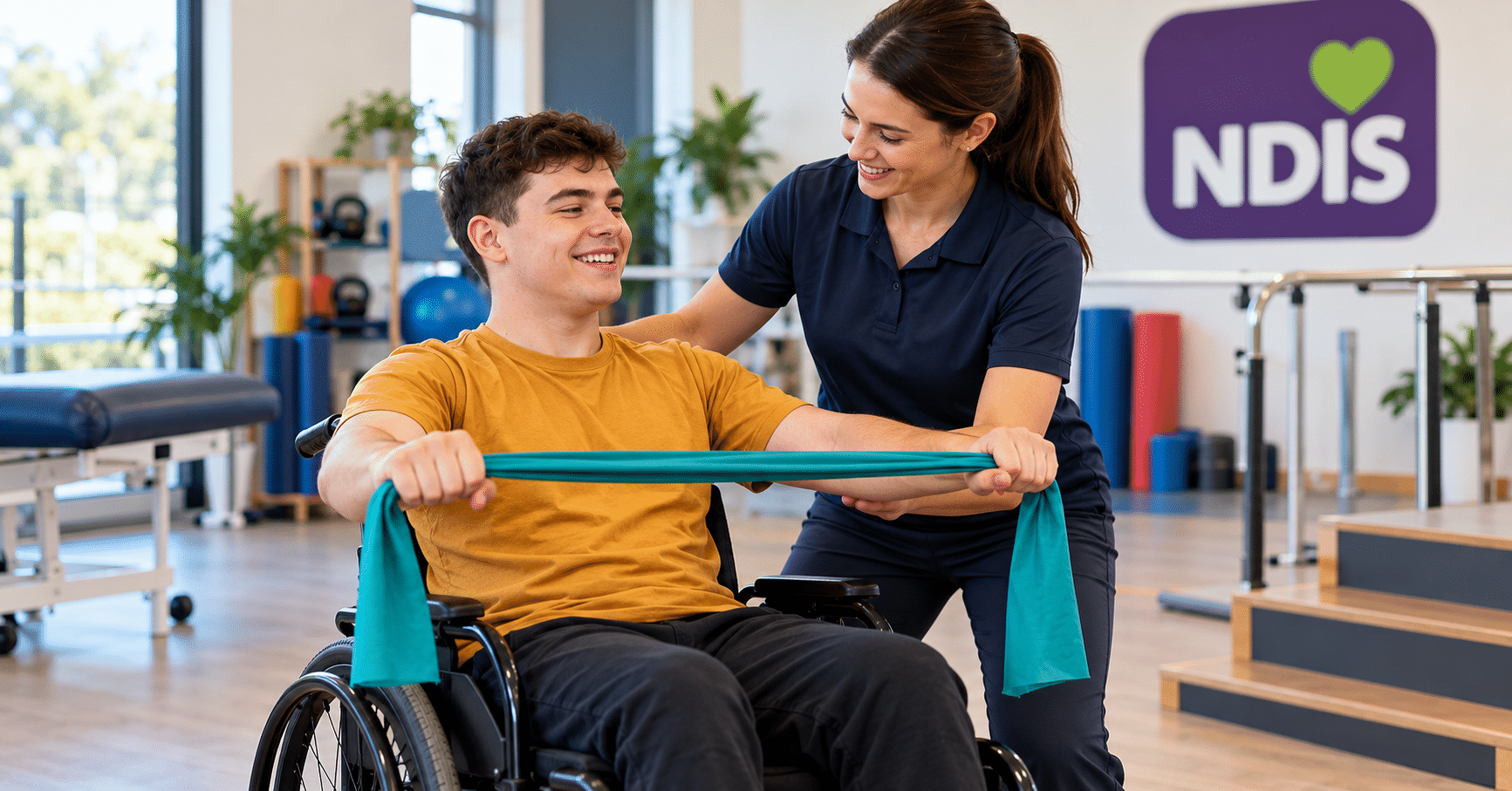
The most successful treatment for osteoporosis is a combination of bone-building medication and progressive resistance training [1, 2]. While medications stop bone loss and lower fracture risk, your bones require mechanical loading to grow stronger. Relying on medication alone without active muscle loading limits your recovery.
In my experience, patients get the best results when they combine medical therapy with heavy lifting. I have seen clients transform their bone density scans by using this double method. medication creates the chemical environment for bone growth, while strength training provides the physical signal that tells your body where to build new bone.
What is the most successful treatment for osteoporosis?
The most successful treatment combines anabolic medications with supervised strength training [1, 3]. Anabolic drugs build new bone. Antiresorptive drugs stop your body from breaking down existing bone. When you use these drugs, you stop the decline. However, you must pair them with heavy resistance training to force your bones to adapt and remodel.
Clinical guidelines state that bisphosphonates are the standard first-line treatment for most patients [3, 5]. These drugs reduce the risk of hip and spine fractures. But drug therapy is only half the battle. Your bones respond to stress. When you lift heavy weights, your muscles pull on your bones. This pull signals bone-building cells, called osteoblasts, to lay down new minerals.
What I found was that clients who only took pills saw their bone density stabilize, but they did not gain functional strength. When we added heavy resistance training, their bone density scores actually increased. You must do both to get the best outcome.
What is the miracle drug for osteoporosis?
There is no single miracle drug, but anabolic agents like romosozumab and teriparatide are the closest options available [1, 3]. Unlike traditional drugs that only slow down bone loss, anabolic drugs actively stimulate your body to build new bone. They act like a construction crew for your skeleton.
Romosozumab works by blocking sclerostin, a protein that stops bone growth. By blocking this protein, the drug allows your body to build bone rapidly. Studies show that romosozumab reduces spine fractures better than older medications. However, doctors limit the use of these drugs. You can only take romosozumab for one year and teriparatide for two years. After that, you must switch to a drug that maintains the new bone.
One of my clients used teriparatide for eighteen months. Her bone density increased significantly. But her doctor warned her that the gains would disappear if she did not follow up with a drug to lock in those gains. She transitioned to a bisphosphonate and continued her weight training, which kept her bones strong.
What is the best medication for osteoporosis with the least side effects?
Zoledronic acid and oral alendronate offer the best balance of safety and effectiveness for most people [3, 5]. Zoledronic acid is an intravenous infusion given once a year. This yearly dose bypasses your stomach, which eliminates the heartburn and stomach upset common with daily or weekly pills.
For patients who prefer pills, alendronate is highly effective. To avoid stomach irritation, you must take it first thing in the morning with a full glass of water. You must also stay upright for at least thirty minutes before eating or drinking anything else.
If you cannot tolerate these drugs, selective estrogen receptor modulators like raloxifene are another option. Raloxifene mimics estrogen to protect bones, but it does not build bone as fast as bisphosphonates. Discuss these choices with your doctor to match your medical history with the right drug.
What is the number one vitamin to rebuild bone density?
Vitamin D3 is the number one vitamin required to rebuild bone density. Vitamin D3 acts as a key that unlocks your gut’s ability to absorb calcium. Without enough vitamin D3, your body cannot absorb calcium from your food, no matter how much calcium you consume.
If your vitamin D levels are low, your body will steal calcium from your bones to keep your blood levels stable. This process weakens your skeleton over time. Most doctors recommend taking vitamin D3 alongside calcium to ensure proper absorption [3, 8].
When I start working with a client who has low bone density, I always ask about their vitamin D levels. I remember a client who took calcium supplements for years but still lost bone density. A blood test showed she was severely deficient in vitamin D. Once she corrected her vitamin D levels, her body could finally use the calcium she consumed.
What is one food people suffering from osteoporosis should eat more of?
People with osteoporosis should eat more plain Greek yoghurt. Greek yoghurt is packed with calcium and protein. A single cup of Greek yoghurt can provide up to thirty percent of your daily calcium needs, along with high amounts of dietary protein.
Protein is critical because bone is made of a collagen matrix. This matrix requires amino acids to stay strong. Many people focus so much on calcium that they forget about protein. Greek yoghurt gives you both nutrients in an easy-to-digest form.
If you do not eat dairy, canned salmon with the bones is an excellent alternative. The tiny, soft bones in canned salmon are rich in calcium and easy to eat when mashed. Plus, salmon provides omega-3 fatty acids, which help reduce inflammation in your body.
Why does lifting heavy weights beat light exercise for bone health?
Most articles tell you to walk or do light aerobics for osteoporosis. This advice is incomplete. Walking keeps you active, but it does not apply enough force to stimulate bone growth. To build bone, you must lift weights that challenge your muscles.
This is where many people make mistakes. They hold light pink dumbbells and perform high repetitions. This does not work. Your bones need a load that is at least four times your body weight to stimulate growth in the hip. While you cannot hold four times your body weight, heavy compound lifts like squats and deadlifts create a powerful compressive force through your spine and hips. This force triggers the bone to thicken.
When I worked with a client named John, he was terrified of lifting weights. He had been diagnosed with osteoporosis in his spine. We started with basic movements using body weight. Over six months, we safely increased his lifts until he was deadlifting fifty kilograms. His next bone scan showed a five percent increase in his spinal bone mineral density.
You should not try heavy lifting without guidance. Working with a professional ensures you lift safely. If you want to learn how to lift weights correctly to protect your joints, you can work with a qualified personal trainer in South Melbourne to design a customized strength program. qualified personal trainer in South Melbourne
Frequently Asked Questions
Can you reverse osteoporosis without medication?
You can improve bone density through exercise and diet, but reversing severe osteoporosis usually requires medication [1, 2]. If your bone density is very low, lifestyle changes alone may not prevent fractures. Medication provides the necessary medical foundation, while exercise builds the physical strength to support your joints.
Is walking enough to build bone density?
No, walking is not enough to build bone density. Walking helps maintain cardiovascular health and balance, but it does not provide enough impact to stimulate new bone growth. You must combine walking with resistance training to load your bones effectively.
Does caffeine make osteoporosis worse?
Heavy caffeine consumption can interfere with calcium absorption. If you drink more than three cups of coffee daily, you may lose small amounts of calcium in your urine. You can offset this effect by ensuring you get enough calcium in your diet.
How long does it take to see improvements in bone density?
Bone remodels very slowly. It typically takes twelve to twenty-four months to see measurable changes on a dual-energy x-ray absorptiometry (DXA) scan [2, 4]. Do not discourage yourself if you do not see immediate results. Consistency with your medication and exercise program is key.
How to start rebuilding your bones today
You must take active control of your bone health using both medical and physical tools. Do not wait for a fracture to occur before you start taking action.
- Schedule a doctor visit to discuss prescription medications like bisphosphonates or anabolic drugs.
- Get a blood test to check your vitamin D3 levels and start supplementing if you are deficient.
- Add Greek yoghurt or canned salmon to your daily diet to increase your calcium and protein intake.
- Find a certified coach to teach you how to perform heavy resistance exercises safely.
Sources
- Barrionuevo P, Kapoor E, Asi N, Alahdab F, Mohammed K, Benkhadra K, et al. (2019) “Efficacy of Pharmacological Therapies for the Prevention of Fractures in Postmenopausal Women: A Network Meta-Analysis” The Journal of clinical endocrinology and metabolism. PMID: 30907957
- Morin SN, Leslie WD, Schousboe JT (2025) “Osteoporosis: A Review” JAMA. PMID: 40587168
- Eastell R, Rosen CJ, Black DM, Cheung AM, Murad MH, Shoback D (2019) “Pharmacological Management of Osteoporosis in Postmenopausal Women: An Endocrine Society* Clinical Practice Guideline” The Journal of clinical endocrinology and metabolism. PMID: 30907953
- Black DM, Rosen CJ (2016) “Clinical Practice. Postmenopausal Osteoporosis” The New England journal of medicine. PMID: 26789873
- Qaseem A, Forciea MA, McLean RM, Denberg TD, Barry MJ, et al. (2017) “Treatment of Low Bone Density or Osteoporosis to Prevent Fractures in Men and Women: A Clinical Practice Guideline Update From the American College of Physicians” Annals of internal medicine. PMID: 28492856
- Srivastava M, Deal C (2002) “Osteoporosis in elderly: prevention and treatment” Clinics in geriatric medicine. PMID: 12424871
- Sweet MG, Sweet JM, Jeremiah MP, Galazka SS (2009) “Diagnosis and treatment of osteoporosis” American family physician. PMID: 19202966
- Reid IR (1996) “Therapy of osteoporosis: calcium, vitamin D, and exercise” The American journal of the medical sciences. PMID: 8969617