

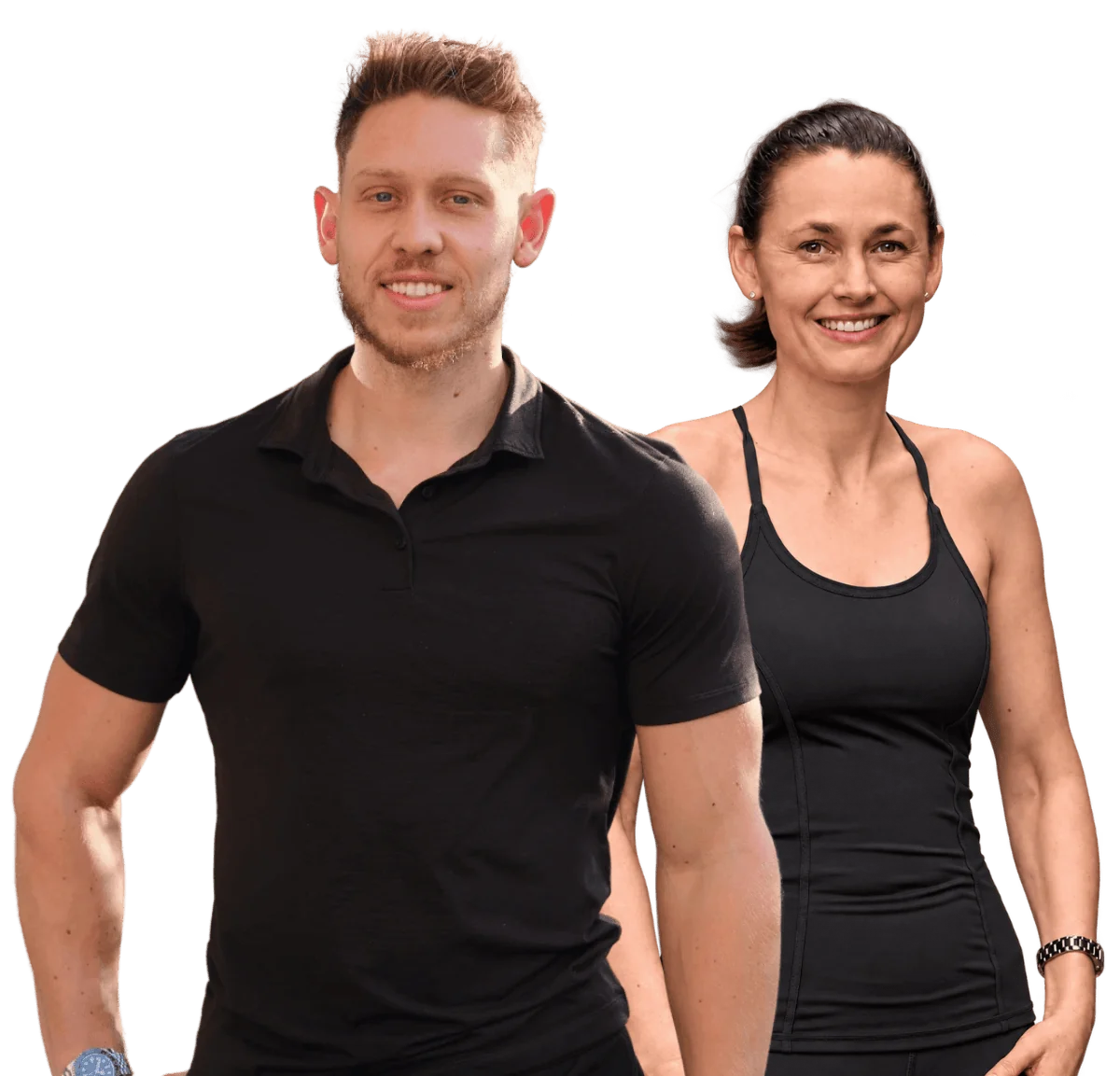
Our trainer was on Ninja Warrior
NDIS Personal Trainer Melbourne
Personal training for NDIS participants across Melbourne, built around your goals and ability.
As seen in










197 Reviews in Melbourne
Common worries before starting personal training
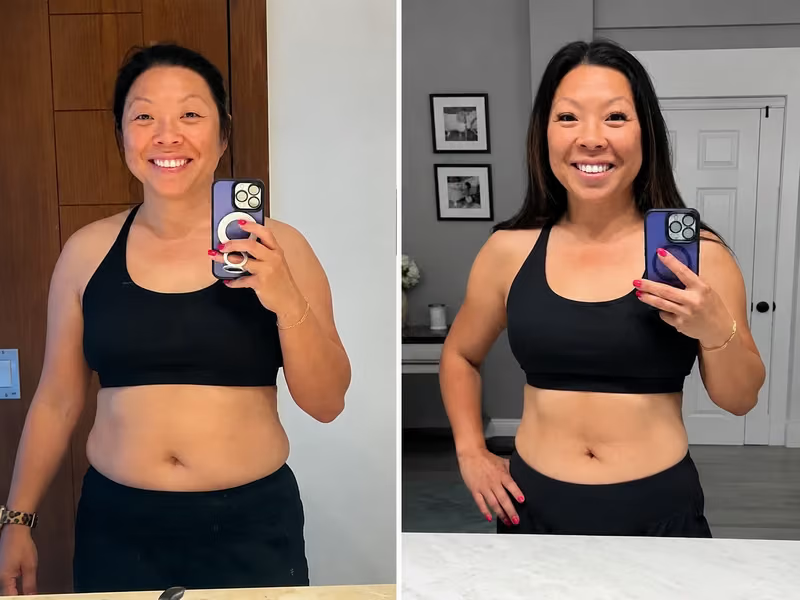
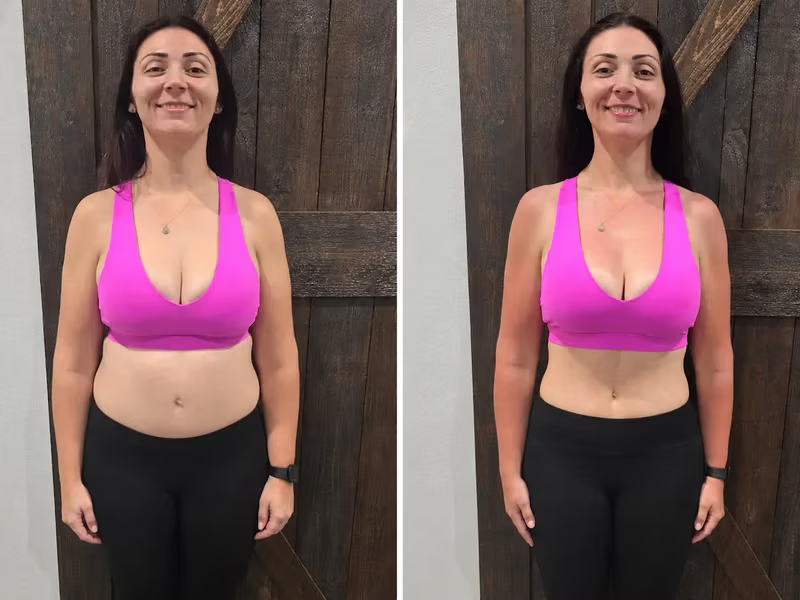
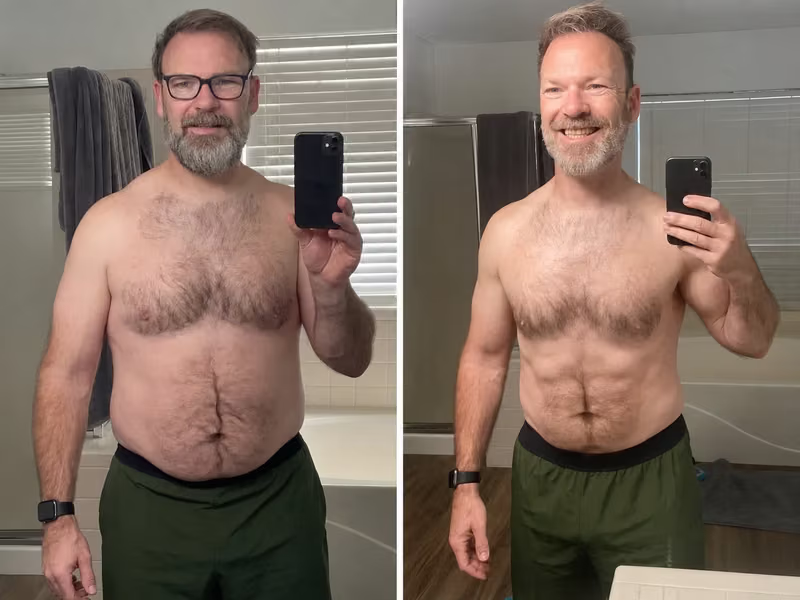
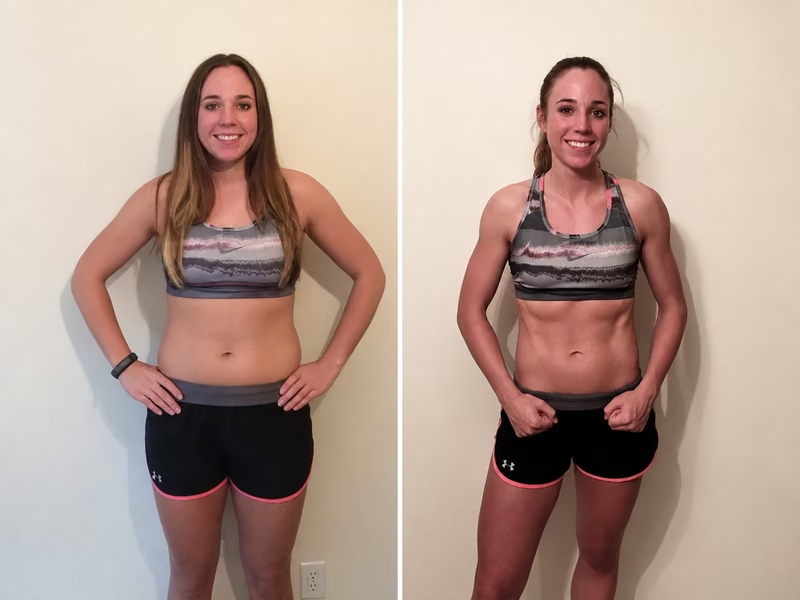
 BeforeAfter
“I start well, then life gets busy and I stop.”
It’s hard to keep going when your week gets turned upside down. We’ll help you adjust your plan on busy weeks and get back into it after a break. You won’t have to work out your next step alone.
NDIS personal training in Melbourne
What to Check When Choosing an NDIS Personal Trainer in Melbourne
If you want an NDIS personal trainer in Melbourne, you need someone who understands both exercise and the National Disability Insurance Scheme. Australian Fitness Network is an NDIS service provider based in Melbourne, and our personal trainers can work with NDIS participants of all abilities. Enquire with us to arrange a first conversation about your goals.
What does NDIS personal training involve?
NDIS personal training is physical training built around a participant’s disability, health and daily life. Each program supports independence and wellbeing, and we adjust the pace, equipment and support to suit each client.
- A conversation about your goals, routines and any health considerations.
- A program matched to your abilities, with exercises we can scale up or down.
- Regular check-ins so the plan keeps pace with how you feel.
- $125Per 45-minute session. We confirm what you will pay before your first session.
- NDIS service provider. Based in Melbourne.
- All abilities. Intellectual, developmental, physical and psychosocial disability.
- Allied health friendly. We build around your therapists’ advice.
- North and west Melbourne. Coburg, Footscray, Keilor, Niddrie and Ivanhoe.
What we offer
NDIS Personal Training Options in Melbourne
Every program is built around your own routine, goals and ability. Choose where to start.
Meet your trainers
Why Does Exercise Matter for Capacity and Independence?
Regular exercise can build the capacity and ability a person needs for everyday tasks, and strength is usually the starting point. Better strength, balance and stamina also make it easier to join in family, community and work life.
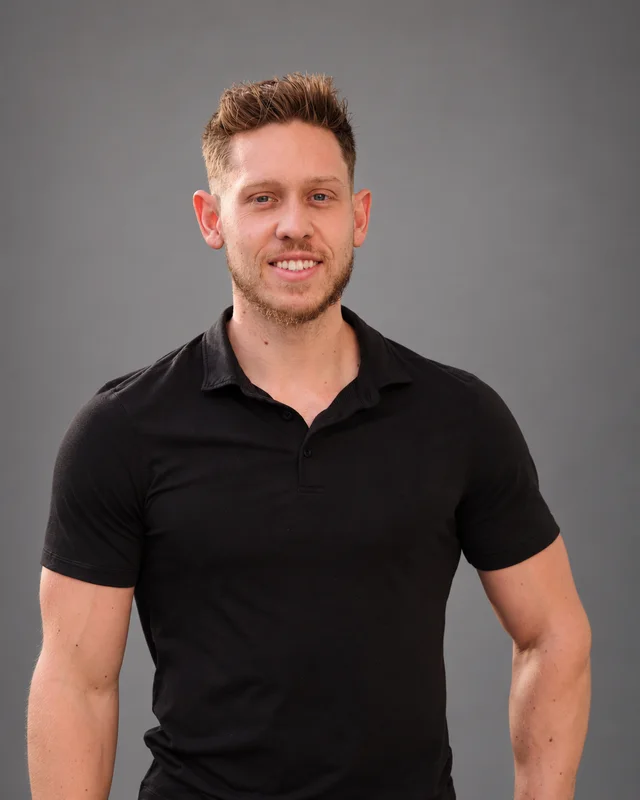
Armstrong
Body transformation
Former short-track speed skater and Australian Ninja Warrior competitor. Now he gets busy professionals into the best shape of their lives.
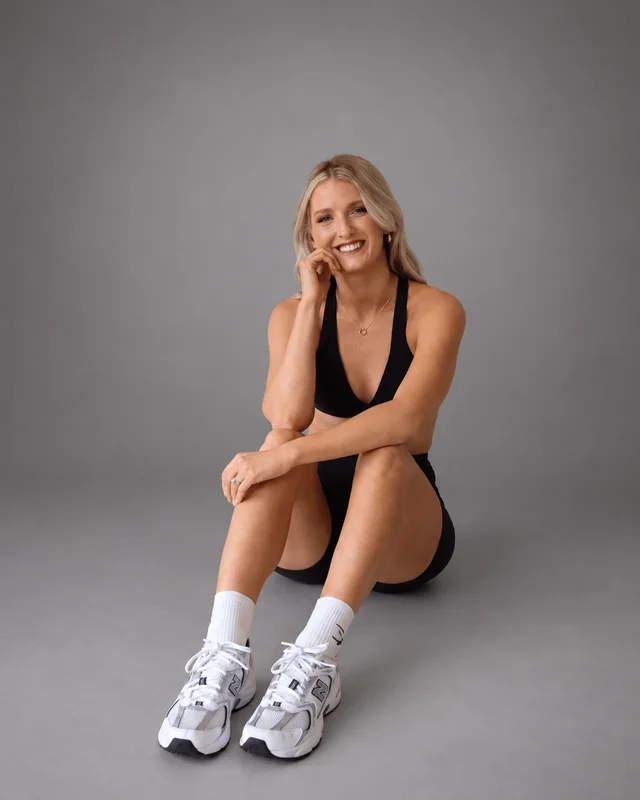
Britt
Women’s fat loss & strength
Britt’s clients come for the fat loss and stay for the strength. She specialises in training women, and she answers the phone when you need a push.
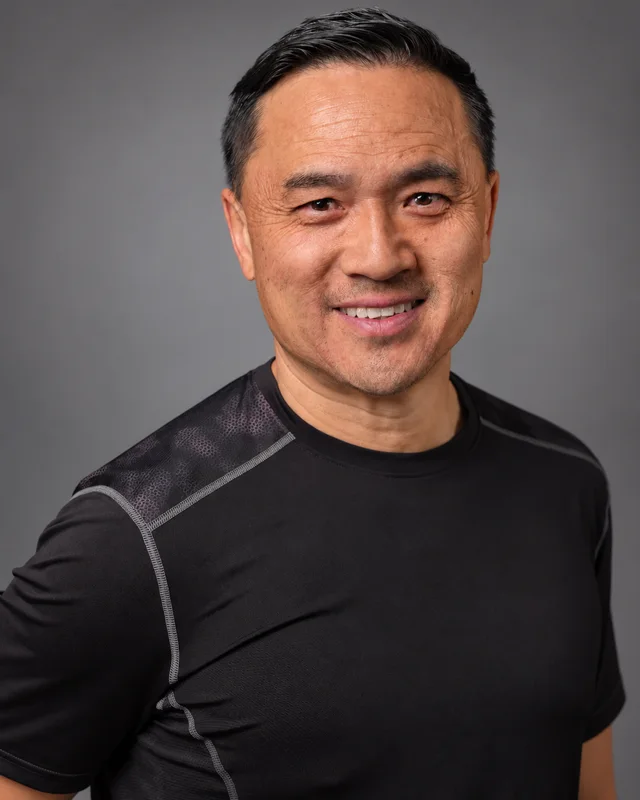
Gary
Most requested
Patient, calm and never judges where you’re starting from. Gary is the trainer to book if you’ve tried before and quit.
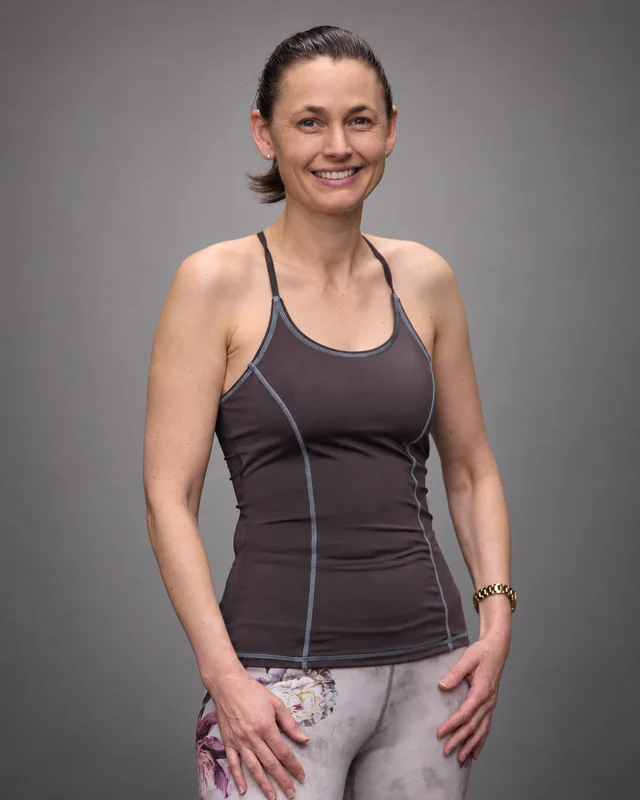
Michaela
PT, yoga & Pilates
Personal trainer, yoga teacher and Pilates instructor in one. Expect strength work that leaves you moving better, not stiffer.
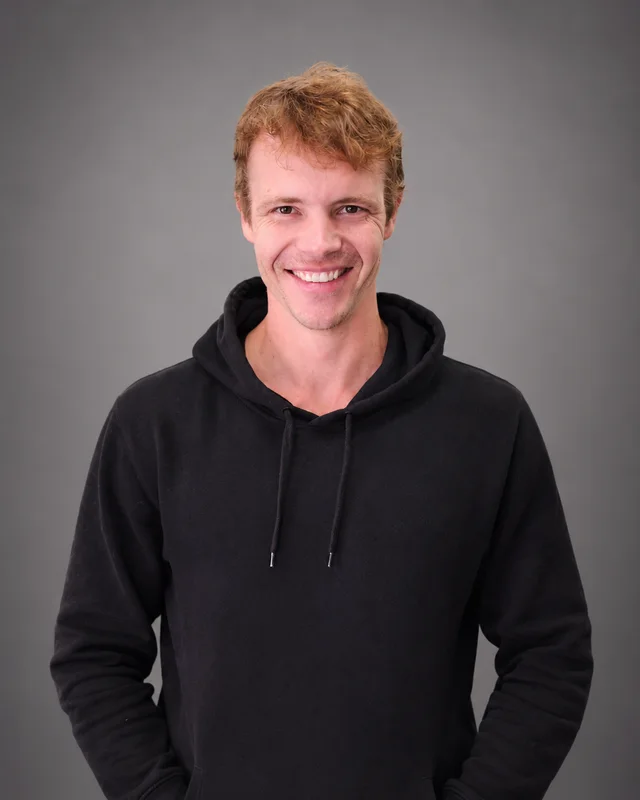
Sam
Physio qualified
A physiotherapy qualification means sore backs and dodgy knees get trained around properly. He’s also the funniest person on the team.
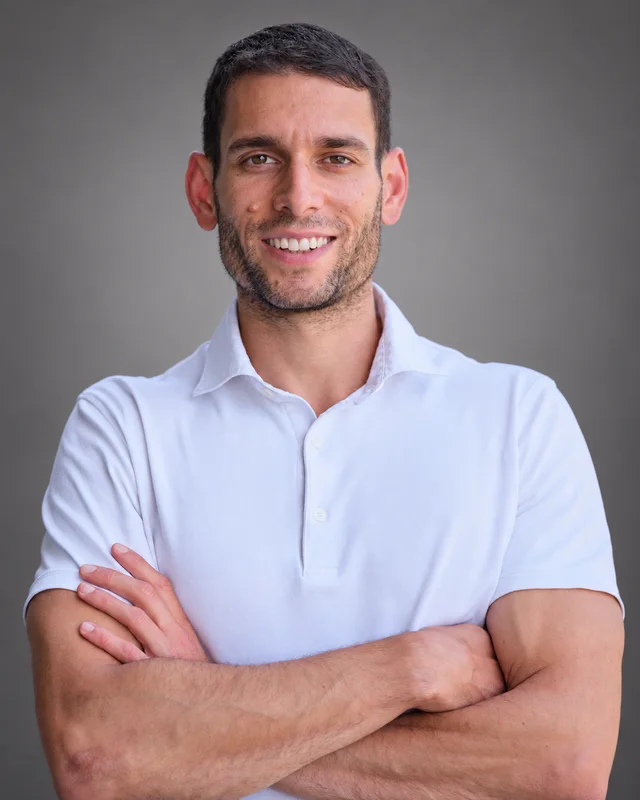
Anthony
Triathlete · 5 languages
Races triathlons and speaks five languages. Focused, organised and fully on you for 45 minutes. Book in and he handles the rest.
Functional strength training for daily tasks
Functional strength training practises movements like standing from a chair, carrying shopping or climbing steps, so strength carries into daily routines.
Building mobility, balance and everyday movement
For participants with a physical disability, we work on mobility, balance and confident everyday movement at a comfortable pace. We’d rather you finish a session feeling capable than exhausted.
How it works
How an NDIS Personal Training Program Works
A simple path from your first conversation to training that fits your week.
- 1
First chat
We start with a conversation about your individual goals and weekly routine, then write a plan around it. We ask where you’ll train outside your sessions, because the program has to suit that place. If it doesn’t, we edit it or write a new one.
- 2
45-minute session
Each session starts with a short check-in, then moves through warm-up, main exercises and a cool-down. At the gym we assist with equipment and technique, and we build skill and confidence one step at a time.
- 3
Changing routines
If you move from the gym to home or a community activity, the program moves with you. We rework the exercises so progress doesn’t stall.
- 4
Goals and reviews
We set clear goals with each NDIS client and review them regularly, sharing progress so it’s easy to show a support coordinator or plan manager.
Who we train
Who We Train: Disability Types and Goals
We train participants with intellectual disability, developmental disability, physical disability and psychosocial disability, including people with autism spectrum disorder and cerebral palsy. Every NDIS client starts from a different place, so we set goals with you, not for you.
Inclusive fitness for different abilities
Our approach to inclusive fitness adapts equipment, pacing and instructions to each person’s ability. Common goals include building strength for daily tasks, improving wellbeing, growing confidence in a gym, learning a new skill and increasing independence at home and in the community. As your capacity changes, the goals change with it.
Working alongside your allied health team
If you already see a physiotherapist, occupational therapist or exercise physiologist, we build around their advice, not over the top of it.
Referral and coordination with therapists and support coordinators
We welcome a referral or written guidance from your allied health professionals, and we can share session notes with your support coordinator when you ask us to. That keeps everyone working towards the same goals.
Funding and cost
How Does NDIS Funding Cover the Cost of Personal Training?
Most participants pay for training from their plan, and how that works depends on how the plan is managed.
Per session
$125 / 45 min
What does a session cost?
Our cost is $125 per 45-minute session. We confirm what you will pay before your first session, so there are no surprises when you start.
Plan types
Self-managed, plan-managed or agency-managed: what changes?
Whether funding covers training depends on the supports in your plan, and we can’t guarantee it. Here is how each management type usually works:
- If you are self-managed, you pay us and claim the amount back.
- With plan management, your plan manager pays our invoice.
- If your plan is agency-managed by the National Disability Insurance Agency, a registered NDIS provider is usually needed.
Ask your support coordinator or plan manager which category applies to you.
Choosing a provider
How Do You Check the NDIS Provider Register?
If you’re weighing up an NDIS-registered provider of personal training, a few checks take ten minutes and tell you a lot. We’d suggest running them on any trainer, including us.
- Search the NDIS Quality and Safeguards Commission provider register by registration status. Choosing “Approved” returns currently registered providers, while “Revoked” returns providers who have been banned or lost their registration.
- Open the provider’s own page on the register to see its approved registration groups. A registered NDIS provider should be approved for the supports you want to use.
- Ask how the trainer adapts exercises when a participant has a bad day or needs a different pace.
- Ask what happens if you need to reschedule or change your goals partway through a plan.
What should you prepare before your first session?
A little preparation helps us get started quickly and keeps your plan on track.
- Have your plan goals handy so we can link your training to them.
- Note any injuries, medications or health conditions your doctor or therapist has flagged.
- Think about where you’d like to train and what times suit your week.
Qualifications
Qualifications, Insurance and Safeguards
Working as an NDIS personal trainer requires specific qualifications, and you’re entitled to ask to see them before you book. Cover and registration matter just as much, because working with participants carries different risks from a general gym floor.
Which qualifications should an NDIS trainer hold?
At a minimum, look for a current Certificate III and IV in Fitness, plus a first aid and CPR certificate. Many trainers also hold accredited exercise physiology credentials through Exercise & Sports Science Australia. Where a trainer works alongside physiotherapists or other clinicians, those clinicians should be registered with the Australian Health Practitioner Regulation Agency, and you can ask for their details.
Insurance cover: professional indemnity, professional liability and public liability
Ask whether the trainer holds professional indemnity insurance, which covers advice and program design, and professional liability insurance, which protects against claims arising from the service itself. Public liability insurance covers injury or damage on the training site. A reputable provider will hand over certificates of currency without fuss.
Local to you
Is There an NDIS Personal Trainer Near Me in Melbourne?
Training in Coburg, Footscray, Keilor, Niddrie and Ivanhoe
If you’re searching for an NDIS personal trainer near me, Australian Fitness Network works across Melbourne’s north and west, including Coburg, Footscray, Keilor, Niddrie and Ivanhoe. We also support participants in most areas of Doncaster and the surrounding community.
How do I book a first session?
Booking takes three steps, and each client’s program is built around their own routine.
- Enquire with us and tell us a little about your goals.
- Join an initial consultation to talk through your needs and where you’d like to train.
- Start your first session with a program built around you.
Where we support participants
- Coburg
- Footscray
- Keilor
- Niddrie
- Ivanhoe
- Doncaster
- North Melbourne
- West Melbourne
FAQ
Frequently Asked Questions
Can NDIS pay for a personal trainer?
It depends on your plan and whether the support is reasonable and necessary for you. Ask your coordinator or planner, and check that your exercise goal links to the goals in your plan before booking sessions.
Will NDIS cover gym membership?
Gym membership is generally treated as an everyday living cost rather than an NDIS support. Funded exercise support is assessed against your plan goals, so confirm with your planner what your plan allows before you pay for anything.
How much is an NDIS personal training session?
Australian Fitness Network charges $125 per 45-minute session. We confirm what you will pay before your first session.
Do you work with physiotherapists and other allied health professionals?
Yes. We build around the advice of your physiotherapist, occupational therapist or exercise physiologist, and we can share session notes with your support coordinator when you ask us to.
How do I check that a provider is registered?
Search the NDIS Quality and Safeguards Commission provider register by registration status, then open the provider page to see its approved registration groups.
Key insights
- NDIS personal training in Melbourne from Australian Fitness Network, built around your goals and ability.
- $125 per 45-minute session, confirmed before you start.
- Funding depends on your plan, so check with your support coordinator or plan manager.
Get a Free Personal Training Session in Melbourne
Book Your Free Goal Setting Call
Prefer to chat first? WhatsApp us
9 Steps To Shed 5-10kg In 6 Weeks
Includes an exercise plan, nutrition plan, and 20+ tips and tricks.
Services
Locations
About Us
Copyright © 2026 Australian Fitness Network. All rights reserved.