

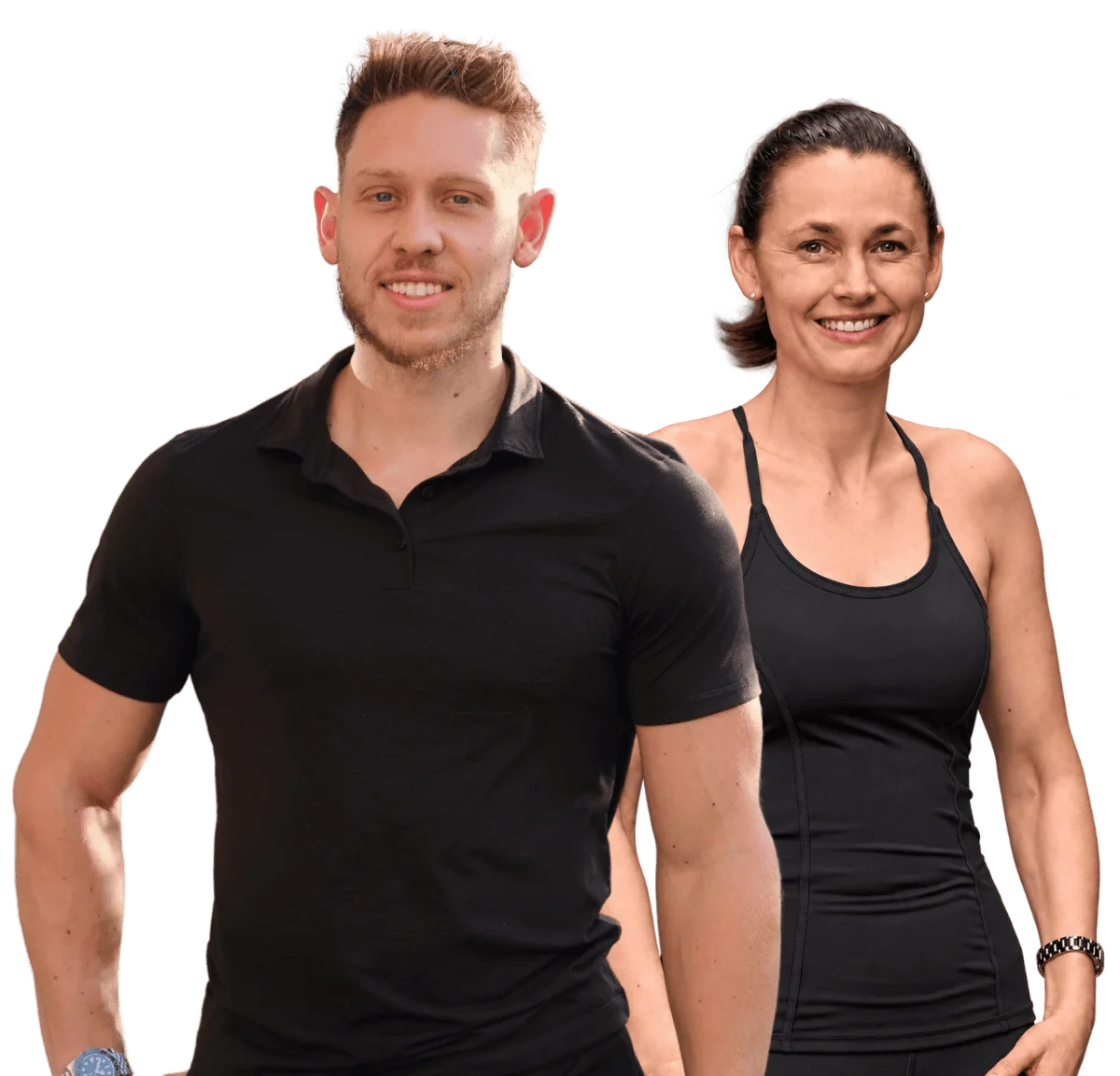
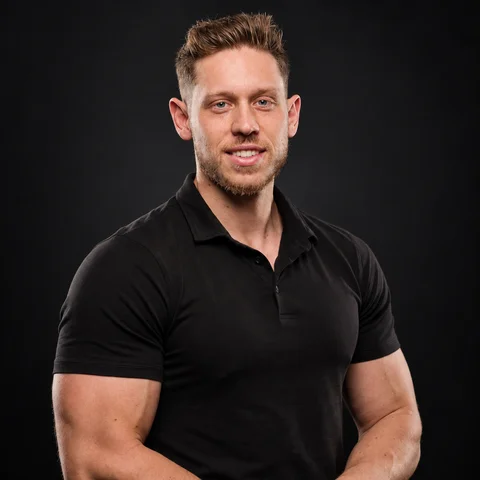
Our trainer was on Ninja Warrior
Female Personal Trainer Gold Coast
Get toned and feel confident in your skin with a female personal trainer on the Gold Coast. One-on-one sessions in our private Benowa studio.
As seen in











197 Reviews in Gold Coast
Common worries before starting personal training
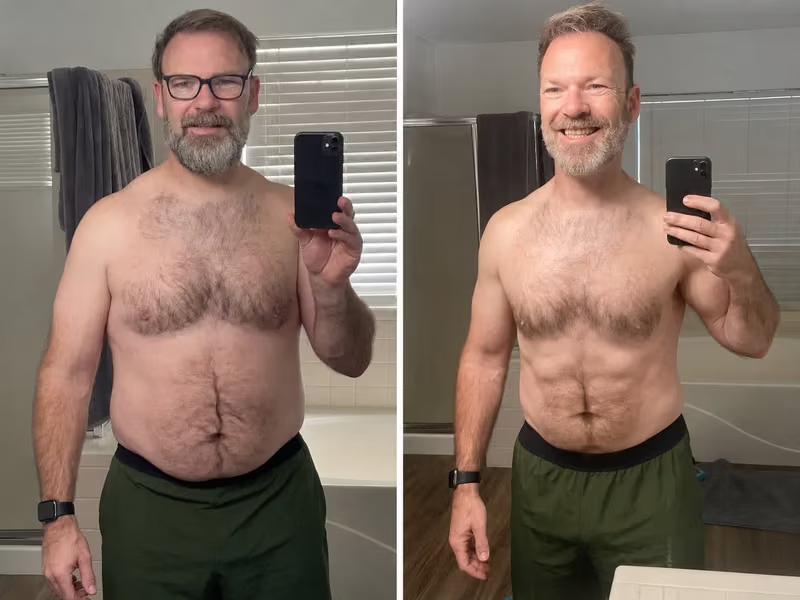
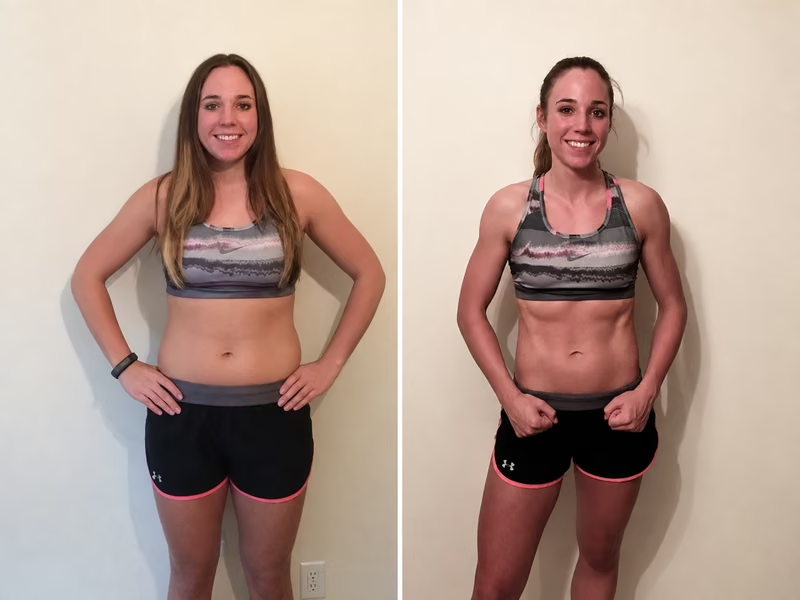
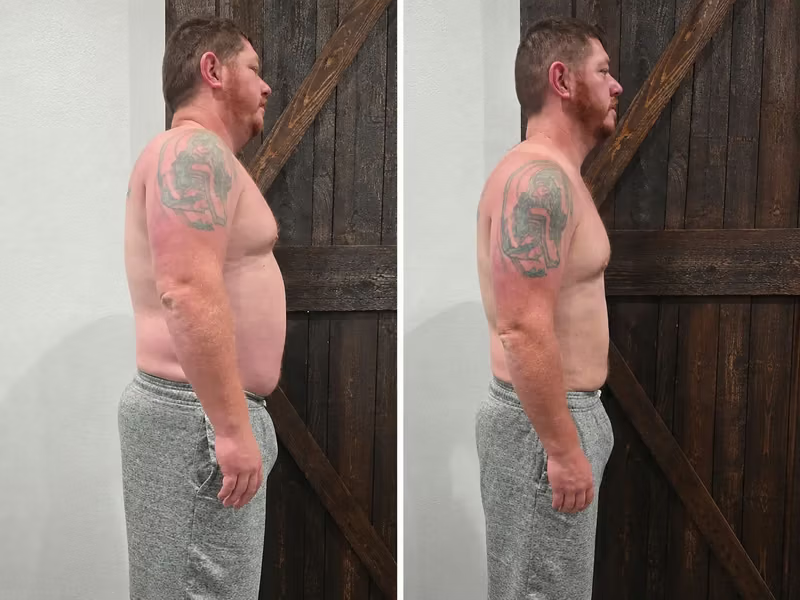 BeforeAfter
“I start well, then life gets busy and I stop.”
It’s hard to keep going when your week gets turned upside down. We’ll help you adjust your plan on busy weeks and get back into it after a break. You won’t have to work out your next step alone.
Female Personal Trainer Gold Coast
Female Personal Trainer on the Gold Coast: Private Studio Training in Benowa
Australian Fitness Network offers one-on-one sessions with a female personal trainer in our private Benowa studio, at $110 per 45min session.
Gold Coast verified local facts for female personal trainer
When choosing a female personal trainer on the Gold Coast, two points help you check credentials. A fitness training provider, onfit.edu.au, states that a Certificate IV in Fitness is the qualification needed to work as a personal trainer in Australia. It recommends registering with AUSactive or FITREC, which it says gives pathways to personal trainer insurance.
City of Gold Coast states that anyone providing commercial fitness training in parks or reserves needs a commercial fitness provider permit, issued to individuals, not businesses. Ask any trainer about their certification.
- $110Per 45min session. Full one-on-one time with your trainer.
- Private studio in Benowa. Your session is the only one running.
- Functional movement screening. So we know where to start and what to build first.
- Women’s health aware. Cycles, pregnancy, pelvic floor and midlife changes taken seriously.
- Central Gold Coast. A short drive from Surfers Paradise QLD.
Ways to train
Training With a Female Personal Trainer in Benowa
The same personalised coaching, built around your body and goal. Pick the part you want to read about first.
Female personal trainers near you
Why Women Choose a Female Personal Trainer
Choosing who trains you is a personal decision, and plenty of women tell us they simply feel more at ease with another woman guiding them. The reasons are practical rather than abstract. They come down to how comfortable you are, how clearly you can talk, and how much your coach takes in.
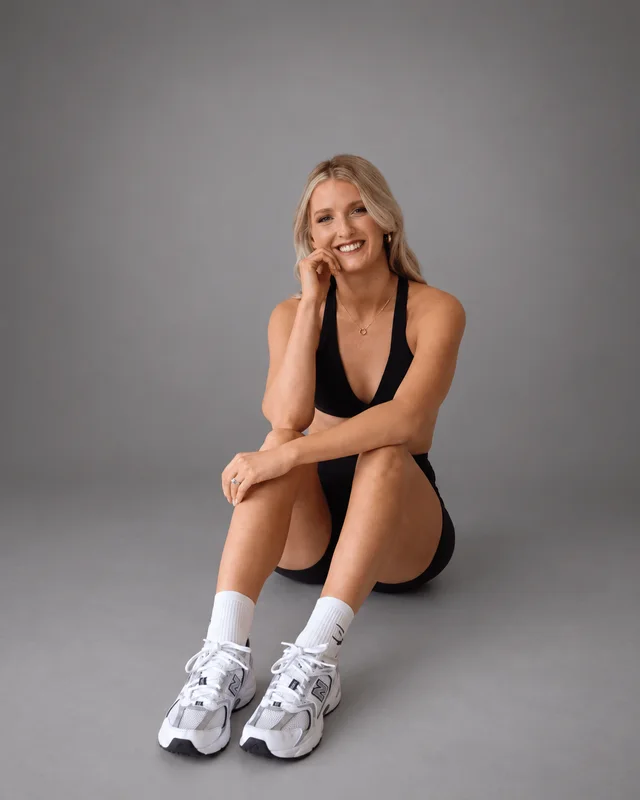
Britt
Women’s fat loss & strength
Britt’s clients come for the fat loss and stay for the strength. She specialises in training women, and she answers the phone when you need a push.
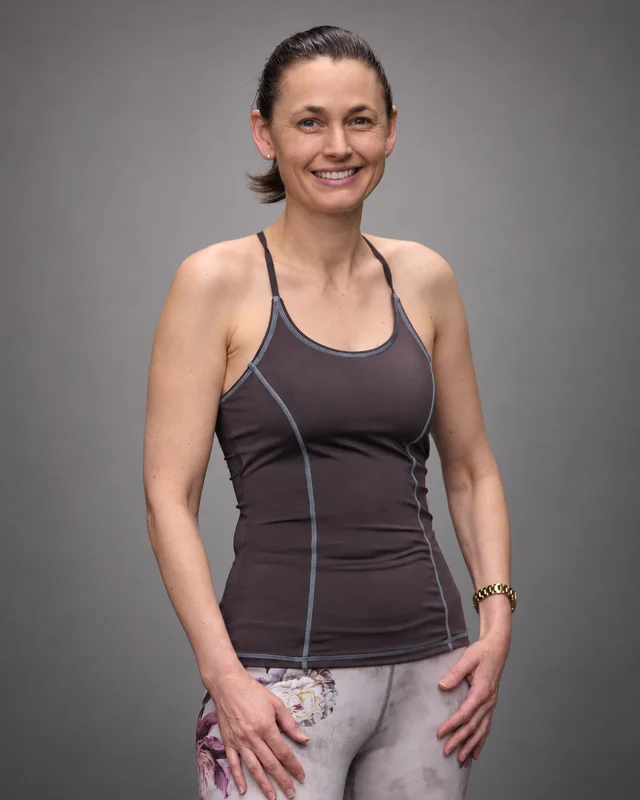
Michaela
PT, yoga & Pilates
Personal trainer, yoga teacher and Pilates instructor in one. Expect strength work that leaves you moving better, not stiffer.
Feeling comfortable enough to train properly
Self-consciousness changes how you move. If you’re worried about how you look in a gym, you tend to hold back, skip exercises you don’t know, or avoid asking for help. That holds back your progress far more than any lack of ability.
Working with a female personal trainer in a private space often lifts that pressure. You can wear what you like, say when something feels awkward, and build confidence in your body at a pace that suits you. A client who is relaxed will usually try more, and trying more is how strength builds.
Training with someone who understands women’s health
Some topics are easier to raise with another woman. Cycles, pregnancy and postnatal changes, pelvic floor concerns and shifts in energy through midlife all affect how a body responds to training. When your coach has lived experience of these things, you spend less time explaining and more time getting on with the work.
That doesn’t replace medical advice, and we’re clear about where our scope ends. What it does give you is a coach who takes your women’s health concerns seriously and adjusts your program around them, so you stay fit and training consistently rather than pushing through something that doesn’t feel right.
The studio
A Private Studio Instead of a Busy Gym Floor
Our private studio in Benowa is a single training room where your session is the only one running. There’s no queue for the squat rack, no one waiting on your bench and no mirror wall full of strangers. For many women, that changes how a workout feels from the first minute.
A commercial gym is built for volume, with rows of machines, group classes and peak-hour crowds. Our studio is built for one person at a time, so the space, the music and the pace are set around you.
What equipment is in the studio
We keep the equipment practical rather than extensive. You’ll find free weights, adjustable benches, resistance bands, kettlebells and mat space for floor work, which covers most of what resistance training needs. Because nobody else is using it, we can set up a station once and stay there as long as your program calls for it.
If you’ve never touched a barbell or you haven’t trained for years, we start with light loads and simple setups. You learn the movement before the weight goes up.
Why a quieter space helps you focus
Noise and crowds drain energy before you’ve lifted anything. In a quiet room you can hear our cues, breathe properly between sets and ask questions without lowering your voice. Those small things add up to better technique and a more honest effort.
There’s also a different kind of community here. Instead of a floor of strangers, the studio is a place where you know who’s in the room and why. Many women tell us that being unobserved is what finally lets them train hard.
Your program
Personalised Training: How Your Program Is Built
Generic templates rarely suit the person using them. Personalised training starts from what you want, how you move and what your week looks like, then builds a program around those answers. We work in a set order so nothing is guesswork.
- A first consult where we talk through your history, your schedule and what you want from training.
- A clear goal agreed in plain language, with a realistic first block of weeks.
- A movement assessment covering how you squat, hinge, push, pull and balance.
- A written plan for your sessions, matched to the equipment and time you have.
- Regular check-ins where we review how things went and change what needs changing.
Your first assessment and goal setting
We begin with a conversation, not a workout. You tell us what you’d like to achieve, whether that’s lifting with confidence, feeling stronger on the stairs or getting back into a routine after a break. We also ask about past injuries, sleep, work and anything that makes training harder.
Then comes functional movement screening. It’s a short set of basic patterns that shows us where you move well and where something is stiff, weak or uneven. It isn’t a test you can fail. It simply tells us where to start and what to build first.
How progress is tracked and the program adjusted
We record what you lift, how many repetitions you complete and how each set felt. Over a few weeks those notes show your progress more reliably than the mirror or the scales do. When an exercise gets easy, we add a little weight, a repetition or a slower tempo.
If a week goes badly, we adjust. Poor sleep, a busy fortnight or a sore shoulder all change what a good session looks like, and our coaching responds to that rather than pushing through a fixed script. Your plan is reviewed regularly, so it stays useful as you change.
Strength
Strength Training for Women: What It Does and How We Start
Many women arrive with the same worry: that lifting will make them bulky, or that they’ll hurt themselves. Neither is how it plays out in our studio. Strength training builds muscle gradually, supports your bones and joints, and makes daily jobs like carrying shopping or lifting a toddler feel easier.
We begin with technique before load. In your first weeks we teach the basic movement patterns with light weight or just your body, then raise the demand once your form is steady. That steady build is called progressive overload: small, planned increases in weight, repetitions or difficulty so your body keeps adapting without being pushed past what it can handle.
Resistance training also shapes body composition, meaning the balance of muscle and fat on your frame. Scale weight alone can hide that change, so we look at how your clothes fit, how you move and what you can lift rather than chasing a single number.
A typical block of exercise in the early weeks includes:
- A squat or sit-to-stand pattern for legs and hips
- A hinge, such as a deadlift with a light bar or kettlebell, for the back of the body
- A push, like a wall or bench press, for chest and shoulders
- A pull, such as a row with bands or cables, for your upper back
- A carry or core hold for trunk control and grip
If a movement doesn’t suit your body, we swap it for one that does. You set the pace, and we adjust it as you get stronger.
Women over 40
Personal Training on the Gold Coast for Women Over 40
If you’re after personal training on the Gold Coast for women over 40, you probably want a coach who treats your stage of life as normal rather than a problem to fix. Our sessions focus on holding and building strength, protecting your joints and keeping your week manageable. We coach movement and habits; we don’t diagnose or treat medical conditions.
- 1
Training through menopause
Perimenopause and menopause bring changes that vary a lot from woman to woman. Some of our clients notice disrupted sleep, shifting energy across the day or slower recovery between sessions. We respond by adjusting rather than pushing harder: lifting in the part of the day you feel best, trimming volume on rough weeks and keeping the heavier work when you’re fresh.
Strength work matters here because muscle and bone tend to decline with age if they’re not challenged. Sensible loading, adequate rest and enough protein at meals give your body something to work with. For symptoms that worry you, talk to your GP, who can discuss options we’re not qualified to advise on.
- 2
Pelvic floor training and core work
Leaks when you cough, jump or lift are common after childbirth and around menopause, but they aren’t something you have to put up with. Pelvic floor training sits within broader women’s health coaching: we teach breathing and bracing that coordinate your deep core with your pelvic floor, and we choose exercises that don’t add unnecessary pressure while you’re building control.
We don’t perform internal assessments or treat dysfunction. If you have heaviness, ongoing leaking or pain, we suggest seeing your GP or a women’s health physiotherapist first, then we build your program around their advice.
- 3
Recovery that keeps you training
Good recovery is part of the plan, not a reward for finishing it. We build in lighter days, mobility work and rest between hard efforts so you can train consistently without burning out.
Pain and injury
Training Around Pain and Injury, Including Low Back Pain
Many women come to us with an old injury, a niggling shoulder or a back that flares after a long day. We don’t treat any of it as a reason to stay on the sidelines. We do adjust how each session is built so you can keep moving with confidence.
That usually means changing the range of motion, swapping a loaded exercise for a supported one, or lowering the weight until the movement feels steady. With low back pain, we often start with controlled hinging, glute and trunk work, and walking-style patterns rather than heavy spinal loading. If something aggravates you, we stop, note it and try another option.
Our role is coaching, not diagnosis. We can support your recovery by building strength around the area, but we don’t prescribe treatment or offer pain management advice. Persistent or worsening symptoms belong with a health professional first.
When should you see a GP before starting?
Check in with your GP or a physio before booking if you have new or unexplained pain, numbness or tingling, pain that wakes you at night, or a recent injury that hasn’t been assessed. The same applies after surgery or if you have a heart or blood pressure condition.
Once you have clearance, bring any notes or restrictions to your first consult. We’ll work within them and keep your practitioner in the loop if you’d like us to.
Weight loss and nutrition
Weight Loss, Body Composition and Nutrition Coaching
If weight loss is on your mind, we start by asking what you actually want to change. For some women it’s the number on the scales. For others it’s body composition: carrying more muscle, less fat and clothes that sit differently, even when the scales barely move. Your goal shapes the plan, and we’re upfront that bodies respond at different speeds and we can’t promise a particular result.
Training does the groundwork. Resistance work builds and protects muscle, while regular movement lifts your daily energy use and helps with sleep and mood. Nutrition sits alongside it, and we keep our coaching practical: regular meals, enough protein, realistic portions and a few swaps you can sustain. We don’t hand out strict meal plans or cut out whole food groups. For medical conditions or disordered eating history, we refer you to a GP or accredited dietitian.
One thing we see often is women who’ve been eating very little and training hard, then stalling. Eating more, lifting heavier and resting properly tends to feel counterintuitive, yet it’s usually where progress restarts.
Where high-intensity interval training fits
High-intensity interval training has a place, but it isn’t the centrepiece. Short bursts of hard effort can build fitness efficiently, and we might include one block in a session once your technique and joints are ready for it. Too much of it, though, can leave you drained and hungrier, which works against your health and your weight goals. Most women do better with strength work as the base and intervals added in small, well-recovered doses.
Formats
Personal Training or a Group Class: Which Suits You?
Both formats build fitness, and plenty of women do well in either. The right choice depends on what you need from the hour, not on which one sounds more serious.
A group class gives you a set routine, shared energy and a lower price per head. Personal training gives you a plan built around your body, your history and your goals, with a coach watching every rep. In a private studio, that also means nobody else is waiting for equipment or comparing themselves to you.
Some of our clients start one-on-one to learn the movements, then add a class once they feel steady. Others stay with individual sessions because their schedule, joints or confidence need that closer attention.
A quick way to decide
- Choose one-on-one if you are returning from injury, new to lifting, or want every exercise adjusted to you.
- Choose a group class if you are already confident with technique and enjoy the community feel of training alongside others.
- Choose one-on-one if your week changes often, since sessions are booked around you rather than a fixed timetable.
- Choose a class if you want variety and a social outlet more than detailed coaching.
If you are unsure, book a single session with us and see how the attention feels. You can always add a class later.
Your session
What Happens in a 45-Minute Session
Each session follows the same shape, so you always know what is coming. The content changes as you progress, but the structure stays familiar.
- Check-in (about 5 minutes): we ask how you slept, how your body feels and whether anything is sore. That shapes what we do next.
- Warm-up (about 8 minutes): mobility work and light activation for the joints and muscles we are about to train.
- Main block (about 25 minutes): the core of your plan, usually strength-focused exercise using free weights, cables or bodyweight. We coach technique and adjust load as you go.
- Cool-down (about 7 minutes): slower breathing, stretching and a quick note of what felt good or hard, so we can refine the next session.
What to bring
Wear clothes you can move in and shoes with a flat, stable sole. Bring a water bottle and a small towel. Our studio equipment is all provided, so you do not need gloves, straps or your own weights.
If you have notes from a GP or physio, bring those too. Eat something light an hour or two beforehand so you feel fit and steady rather than empty.
Before you book
What Makes a Qualified Female Trainer? Certification and Checks
A qualified female trainer should be able to show you her paperwork without fuss. Before you book with anyone, including us, ask to see the credentials that matter. These are the benchmarks we think every client should check.
- Certification in fitness, issued by a registered training organisation, which is the baseline for working as a coach.
- Membership or registration with a professional body such as the Australian Institute of Personal Trainers or Exercise and Sports Science Australia. These are general benchmarks, and a trainer holding one is not automatically better than one holding another.
- Current CPR certification, because a trainer needs to respond if someone becomes unwell during a session.
- A Working with Children Check, which matters if a teenage daughter might train, or if you want a trainer who works with younger clients.
Credentials sit alongside conduct. A good trainer asks about your health history before the first set, explains what each exercise is for and tells you plainly when something is outside her scope.
How to choose the best female personal trainer
The best fit is the trainer whose experience matches your situation. Ask what kind of women she usually works with, and how she adjusts a session when someone arrives tired, sore or stressed.
Notice how she answers. You want clear, specific replies rather than a sales pitch. Ask how she tracks progress, when she would refer you to a GP or physio, and whether you can have a short consult before committing. A trainer who welcomes those questions is usually one worth training with.
Pricing
Female Personal Trainer Cost: What a Session Costs
Personal training with us costs $110 per 45min session. That is the rate, and it applies to every client in the private studio.
Per session
$110 / 45 min
What your $110 session includes
Each session is a full 45 minutes of one-on-one time with your trainer, in the studio, on equipment set up for you. The work is personalised, so the exercises, loads and pace are chosen for your goals, your history and how you feel that day. Your program is written and adjusted by the same person who coaches you, which means nothing gets lost between planning and training.
You also get coaching on technique and effort during the session, not just a list of exercises to get through.
Compare
How to compare personal trainer prices
When you compare cost between trainers, look at what the rate covers rather than the number alone. Ask how long a session actually runs, who writes your program, and whether you train one-on-one or share the trainer’s attention with others. Ask where the training happens too, because a private room and a crowded gym floor are different products.
Check the trainer’s qualifications as well. A lower rate that leaves out a proper assessment or tailored coaching isn’t always the cheaper option for you. If you want to know how our session fits your goals before you commit, enquire and we’ll talk it through.
Benowa studio
Female Personal Trainer Near Me: Surfers Paradise QLD and Surrounding Suburbs
If you’re searching for a female personal trainer near Surfers Paradise QLD, our private studio is in Benowa, a short drive from the middle of the Gold Coast. Women come to us from across the coast, and the studio suits anyone who prefers a quiet, one-on-one space to a busy gym.
Suburbs clients travel from
The studio is central enough that clients reach us from many parts of the coast. From the north, that includes Main Beach, Southport and Bundall, with Surfers Paradise only a few suburbs away. Along the beachside strip, Broadbeach, Mermaid Beach and Nobby Beach are common starting points.
Further south, we hear from women in Burleigh Heads, Palm Beach, Currumbin and Coolangatta. Inland, Robina, Varsity Lakes and the area around Bond University are an easy run to Benowa. Travel time depends on your suburb and the time of day, so it’s worth thinking about which session times suit your commute.
Looking for a male or female trainer? See all personal trainers on the Gold Coast.
Is there a female personal trainer near me who travels?
Our sessions take place in the Benowa studio. Mobile training, where a trainer comes to your home or park, is not something we’ve set up, so please don’t book on the assumption that we’ll travel to you. If that’s what you need, a trainer who works that way will serve you better, and Gold Coast parks do require trainers to hold a commercial fitness provider permit.
We also don’t run a Brisbane location. Brisbane is a long way from Benowa for regular weekly training, so we’d suggest looking closer to home unless you’re happy to make the trip. If you’re unsure whether the studio works for your suburb, send us an enquiry and tell us where you’re travelling from. We’ll give you an honest answer.
- Benowa
- Surfers Paradise
- Main Beach
- Southport
- Bundall
- Broadbeach
- Burleigh Heads
- Robina
- Varsity Lakes
Get started
Book Your First Session With a Female Personal Trainer
Ready to start? Send us an enquiry and we’ll book your first session at $110 per 45min session. You don’t need to be fit already, and you don’t need a clear goal. Plenty of women arrive with only a rough idea of what they want, and that’s a perfectly good place to begin.
Tell us a little about yourself when you enquire. A few lines on your goals, your training background, any niggles or health considerations, and the days and times that suit you is plenty. Everything else we sort out together.
What happens after you enquire
- We reply to confirm your first time and answer any questions about the studio.
- You arrive in comfortable clothes and training shoes, with a water bottle.
- We talk through your history, goals and concerns before any exercise starts.
- You train, at a pace that suits you, and we plan what comes next together.
Nobody is hurried or judged here. Our aim is for you to leave your first session with more confidence in your body than you walked in with, and a clear sense of whether we’re the right personal trainer for you.
FAQ
Frequently Asked Questions
Is $400 a month a lot for a personal trainer?
It depends on how often you train and what’s included. Sessions here are $110 per 45min session, so that’s the reference point. Weekly sessions, program support and extras all change what a monthly spend looks like, so compare like for like.
How much does a personal trainer typically cost in Australia?
Rates vary with the trainer, the location and the session length. Private studios and park-based trainers often price differently. At this studio, a session is $110 per 45min session, which gives you a clear starting point for comparison.
Where do sessions take place?
Our sessions take place in the Benowa studio. Mobile training, where a trainer comes to your home or park, is not something we’ve set up, so please don’t book on the assumption that we’ll travel to you.
What should I bring to my first session?
Wear clothes you can move in and shoes with a flat, stable sole. Bring a water bottle and a small towel. Our studio equipment is all provided, so you do not need gloves, straps or your own weights.
What qualification does a personal trainer need in Australia?
A fitness training provider, onfit.edu.au, states that a Certificate IV in Fitness is the qualification needed to work as a personal trainer in Australia. It recommends registering with AUSactive or FITREC, which it says gives pathways to personal trainer insurance.
Key insights
- One-on-one sessions with a female personal trainer in a private Benowa studio, at $110 per 45min session.
- Functional movement screening and a written plan before the training builds.
- Strength first, with progressive overload, and women’s health concerns taken seriously.
Get a Free Personal Training Session on the Gold Coast
Book Your Free Goal Setting Call
Prefer to chat first? WhatsApp us
9 Steps To Shed 5-10kg In 6 Weeks
Includes an exercise plan, nutrition plan, and 20+ tips and tricks.
Services
Locations
About Us
Copyright © 2026 Australian Fitness Network. All rights reserved.