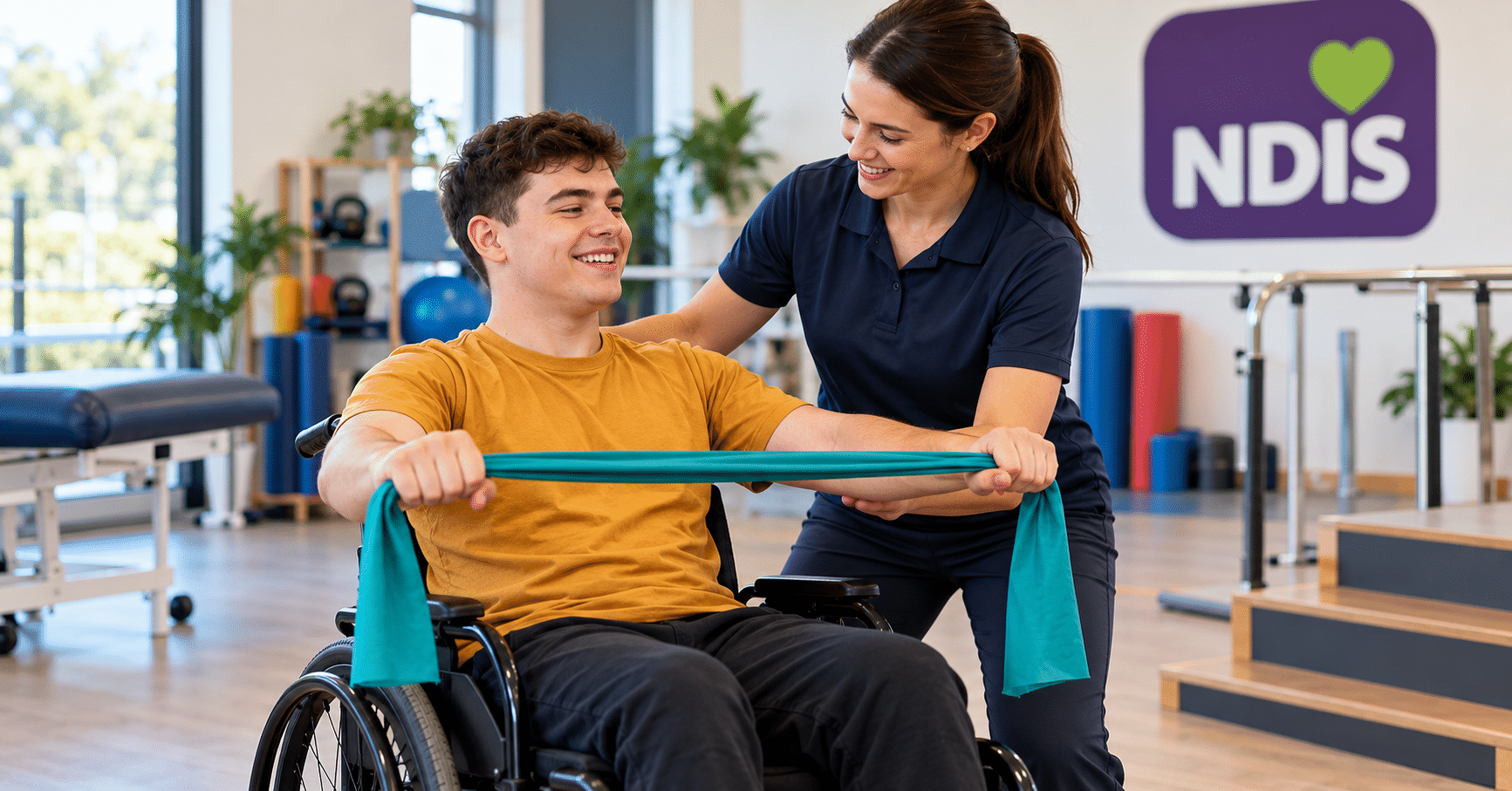
NDIS personal trainers in Australia typically earn $50,000–$85,000 per year, with experienced providers charging $80–$150 per hour; actual income depends on client load, qualifications, management model, and whether you operate independently or as an employee.
Hourly earnings
Common hourly rates sit around $100–$120 for NDIS-focused sessions, reflecting the specialised nature of disability support compared to mainstream personal training.
What sets your rate
- Experience across disability types and complexity
- Setting (home, gym, outdoors) and travel time
- Allied health or additional qualifications
- Alignment with NDIS pricing guidelines and service category
Entry-level providers often start near $80 per hour, increasing rates as capability, referrals, and outcomes improve.
9 Steps To Shed 5-10kg In 6 Weeks
Includes an exercise plan, nutrition plan, and 20+ tips and tricks.
Download FreeMelbourne salary averages
Full-time earnings often land between $60,000 and $75,000 in Melbourne, roughly $1,150–$1,440 per week before tax for trainers servicing NDIS participants.
Drivers of annual income
- Weekly client volume and retention
- Pricing structure (session vs membership)
- Self-employed vs employed model
- Qualifications, niche expertise, and reporting capability
Employees at disability providers typically earn $50,000–$65,000 with benefits, while self-employed trainers can exceed this by retaining full session revenue.
Qualifications required
Minimum standards include Certificate III and IV in Fitness, current First Aid and CPR, and disability-specific training; ongoing PD and registration with Fitness Australia or Physical Activity Australia add credibility.
NDIS-readiness essentials
- Disability awareness and condition-specific modules
- Up-to-date CPR and First Aid
- Professional indemnity and public liability insurance
- Understanding of NDIS invoicing and service agreements
Work hours per week
Most trainers deliver 20–35 client-facing hours weekly, with additional time for travel, programming, and administration not billed directly.
Schedules often prioritise early mornings, evenings, and weekends to match participant availability; employed roles skew towards business hours.
Independent vs employed
Self-employed trainers keeping $100–$120 per hour across 20 client hours can achieve $104,000–$124,800 annually, while employed trainers earn $50,000–$65,000 plus benefits.
Trade-offs to consider
- Independence: higher earnings, handle marketing/admin, no paid leave
- Employment: stable income, clients sourced for you, lower ceiling
Choose a model that balances income goals with risk tolerance, support systems, and lifestyle preferences.
Typical business expenses
Independent trainers should budget for insurance, registration, equipment, vehicle costs, accounting, marketing, and continuing education when calculating net income.
Annual cost ranges
- Indemnity: $800–$1,500 | Public liability: $500–$1,000
- Registration: $300–$500 | Equipment: $1,000–$3,000
- Vehicle and fuel: $3,000–$6,000 | Accounting: $1,000–$2,500
- Marketing/website: $500–$2,000 | Education: $500–$1,500
Typical total expenses run $7,600–$18,000 annually; earning $100,000 with $12,000 in costs yields about $88,000 before tax.
Getting paid by the NDIS
Plan- or agency-managed clients require invoicing to plan managers or NDIA, with payment in 7–14 days and provider registration recommended for direct claiming.
Self-managed clients pay you directly after sessions, enabling immediate cash flow without registration, though documentation must still map to participant goals.
How NDIS PT differs
NDIS-focused training prioritises functional outcomes and independence, adapting to diverse disabilities with patient communication and collaboration across support teams.
Impact extends beyond fitness metrics—participants often gain community access, reduced support needs, and improved quality of life.
Frequently asked questions
Do NDIS trainers earn more than regular PTs?
Yes—rates are typically 20–40% higher, with common Melbourne earnings of $60,000–$75,000 versus a broader PT median near $40,000.
How long to build a full client base?
Expect 6–12 months to reach 15–25 regular weekly clients, depending on referrals, outcomes, and market positioning.
Is part-time viable?
Yes—many begin part-time and scale as demand grows, maintaining other income streams during ramp-up.
Do I need to register as an NDIS provider?
Registration is needed to serve NDIA- or plan-managed clients directly; self-managed participants can engage non-registered trainers.
Useful internal links
Understanding the earning potential in NDIS fitness roles starts with knowing the demand — learn more about whether NDIS covers personal training services for participants. You can also see how daily movement targets factor into client programming by reading about how many steps are needed to lose 1kg. If you’re a trainer looking to grow your client base in Melbourne’s inner west, explore opportunities as a personal trainer in Yarraville.