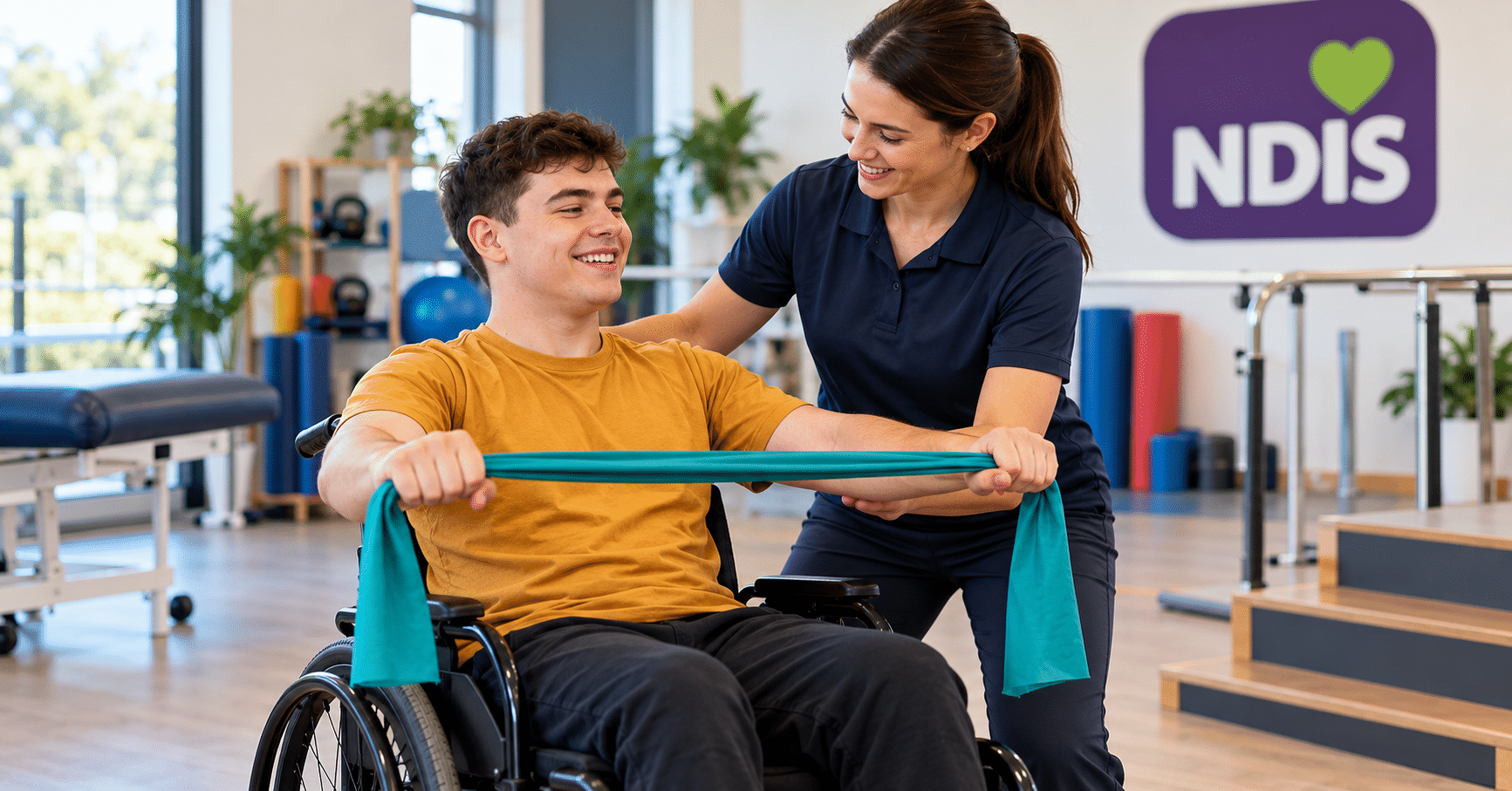
Yes. Lift weights. Bone gets stronger when you load it, weaker when you don’t. That’s not motivation, it’s basic biology. Multiple randomized controlled trials show that moderate-to-high intensity resistance training improves bone mineral density at the spine and hip, the two sites most likely to fracture.
The fear of lifting with osteoporosis makes sense. But the real risk runs the other way: staying sedentary accelerates bone loss. The right program, done with proper supervision, builds bone without breaking it. South Melbourne personal training team
Why Does Lifting Actually Build Bone?
Bone isn’t static. It breaks down and rebuilds constantly through a process called remodeling. Cells called osteoclasts remove old bone. Osteoblasts lay down new bone in its place. When you apply mechanical load through lifting, squatting, or impact, the skeleton responds by increasing osteoblast activity at that specific site.
This is site-specific. Squats load the hip and spine. Rows load the upper spine. If you only walk, you get some benefit at the hip, but the spine gets very little stimulus. That’s why lifting outperforms walking for bone density at the lumbar vertebrae.
One of my clients, a 63-year-old woman diagnosed with osteoporosis at her lumbar spine, came in convinced she should only do gentle stretching. A well-meaning friend had told her to avoid anything heavy. After six months of supervised strength training, her follow-up DEXA scan showed measurable improvement at her lumbar spine. She told me, “I wish someone had explained this five years ago instead of just telling me to be careful.”
Is Heavy Lifting Bad for Osteoporosis?
Not when it’s supervised and progressively loaded. The LIFTMOR trial tested this directly. Researchers took 101 postmenopausal women with osteopenia or osteoporosis. One group did high-intensity resistance and impact training at over 85% of their one-repetition maximum, twice a week for eight months. The other group did low-intensity home exercise. The high-intensity group showed superior bone mineral density gains at the lumbar spine and proximal femur. No fractures occurred during the intervention.
That last point matters. These weren’t healthy 30-year-olds. They were older women with diagnosed low bone mass, lifting heavy, and they didn’t fracture.
A 2023 meta-analysis covering 80 studies and 5,581 participants confirmed the pattern. Effect sizes for BMD improvement were 0.29 at the lumbar spine, 0.27 at the femoral neck, and 0.41 at the total hip. In bone terms, those numbers mean something. Each standard deviation drop in BMD roughly doubles fracture risk, so moving the needle in the right direction has real safety consequences.
The short version: lifting heavy isn’t the problem. Lifting without proper technique, supervision, or progression is where risk enters.
Is Walking or Lifting Weights Better for Osteoporosis?
Lifting wins, especially at the spine. Walking is weight-bearing and better than sitting, but it doesn’t generate enough mechanical load to drive meaningful bone formation at the lumbar vertebrae. A comparative analysis found that resistance training produced an effect size of 0.40 at the lumbar spine and 0.27 at the femoral neck. Combined weight-bearing plus resistance protocols scored 0.42 and 0.37. Weight-bearing exercise alone scored lower at both sites.
The ideal approach combines both. Walk for cardiovascular health, balance, and hip loading. Lift for spine and hip density. They serve different purposes.
When I worked with a 70-year-old client who had been walking 45 minutes every day for three years, her DEXA scan still showed declining spine density. She was frustrated. What I found was that her spine was getting almost no mechanical stimulus from her routine. We added two strength sessions per week. Within six months, her spine density stabilized for the first time in years.
What Is the Best Weight Lifting for Osteoporosis?
Compound, multi-joint movements that load the spine and hips directly. These create the mechanical stimulus bone needs.
- Squats load the lumbar spine and proximal femur simultaneously
- Deadlifts create high spinal and hip loading when performed with a neutral spine
- Hip hinges and Romanian deadlifts load the hip and lower spine with lower spinal flexion risk
- Overhead press loads the thoracic spine and shoulder girdle
- Rows load the upper and mid-spine, support posture
- Leg press loads the hip and femur, useful for beginners building confidence
Intensity matters more than most people expect. Programs using 60, 85% of one-repetition maximum consistently outperform low-intensity protocols. A 2025 meta-analysis of 17 trials reported effect sizes of 0.88 at the lumbar spine and 0.89 at the femoral neck for well-structured resistance programs. You don’t need to max out, but you do need to work at a level that genuinely challenges the muscle and loads the bone.
Frequency and duration also drive outcomes. Two to three sessions per week for at least six months is the minimum threshold for measurable BMD change. Bone remodeling takes three to six months to complete one cycle. You’ll feel stronger in four to eight weeks but won’t see changes on a DEXA scan for six to twelve months. The process is working even when the scan doesn’t show it yet.
What Exercises Should You Avoid With Osteoporosis?
Avoid movements that place high compressive or shear force on a vertebra in a compromised position, especially under load.
- Spinal flexion under load: Crunches, sit-ups, and weighted forward bending place the anterior vertebral body under high compressive stress, where wedge fractures occur
- Rotation under load: Twisting while bearing weight, as in a rotational cable exercise or a golf swing with poor mechanics
- High-impact jumping: If you have severe osteoporosis or a prior vertebral fracture, repeated high-impact landing should be avoided until bone density improves
- Rounding the spine during lifting: Even a safe exercise becomes risky if technique breaks down under fatigue
This isn’t a list of universally banned exercises. Context matters. Someone with mild osteopenia and no prior fractures has more tolerance than someone with multiple vertebral compression fractures. A qualified exercise specialist or physiotherapist will assess your specific risk profile before programming anything.
I know this because my client with a prior T12 compression fracture tried a forward bend stretch she found online. It caused significant pain and set her back weeks. The problem wasn’t the exercise itself, it was that no one had screened her history first. After that, we kept her spine in neutral for all loading and she progressed without incident.
What Most Articles Get Wrong About Osteoporosis and Exercise
Wrong idea 1: Low-intensity is always safer. Low-intensity exercise feels safer but may do very little for bone. Bone responds to mechanical load above a threshold stimulus. If the load is too light, osteoblasts don’t get the signal to build. Research consistently shows moderate-to-high intensity produces superior BMD outcomes. Supervised low-intensity programs can work for some people, but they’re a starting point, not a permanent ceiling.
Wrong idea 2: You should wait until osteoporosis is treated before exercising. Bisphosphonates and other medications work on the same remodeling cycle that exercise stimulates. They’re often more effective together. Exercise creates the mechanical signal. Adequate calcium (1000, 1200 mg daily) and vitamin D (800, 1000 IU daily) provide the raw material for new bone. Waiting for medication to work before starting exercise means losing months of potential adaptation.
Wrong idea 3: Fracture risk during supervised lifting is high. Adverse event data from multiple trials, including studies specifically recruiting people with diagnosed osteoporosis, shows no increased fracture incidence during supervised, progressively loaded resistance programs. The fear of fracturing during a supervised squat is much higher than the actual evidence supports. Falls cause most fragility fractures. Strength training directly reduces fall risk by improving balance, muscle strength, and reaction time.
How to Start Lifting Safely With Osteoporosis
Start with a professional who has experience in osteoporosis management. That means a physiotherapist, accredited exercise physiologist, or a personal trainer with specific training in bone health. They’ll assess your fracture history, current BMD scores from your DEXA scan, balance, and movement quality before loading anything.
A reasonable starting structure looks like this:
- Two sessions per week to start, progressing to three over 8, 12 weeks
- Begin at 50, 60% of your estimated one-rep maximum, focusing on technique
- Progress load every 2, 4 weeks as technique stabilizes
- Target compound movements: squat, hip hinge, row, press
- Keep the spine neutral during all loading, no rounding under weight
- Commit to at least six months before expecting DEXA changes
In my experience, the first four weeks are about learning movement patterns, not chasing load. When I start a new client with osteoporosis, I spend the first two sessions just watching how they move, how they hinge, whether they round under fatigue, how their balance holds. That information shapes everything that follows.
FAQ
Can I lift weights if I’ve already had a fracture?
Yes, but the program needs to be designed around that history. Vertebral compression fractures change which movements are appropriate. A clinical assessment is essential before loading the spine. Many people with prior fractures train effectively once they’re cleared and working with the right professional.
How long before I see results?
You’ll feel stronger and more stable within 4, 8 weeks. Bone density changes take 6, 12 months to appear on a DEXA scan because the remodeling cycle is slow. Don’t use early scan results to judge whether the program is working.
Do I need a gym, or can I train at home?
A gym gives you access to barbells, cable machines, and heavier loads, which matter once you’re past the beginner stage. Early progress is possible with resistance bands and bodyweight, but to reach the load intensities that drive meaningful BMD change, a gym setup or progressively heavier dumbbells are usually necessary.
Is osteoporosis in men treated the same way with exercise?
The same principles apply. Most clinical trials focus on postmenopausal women because that’s the highest-prevalence group, but the bone biology is the same. Mechanical loading stimulates osteoblast activity in men and women alike.
Should I tell my doctor I’m starting a resistance program?
Yes. Your doctor can share your DEXA results and fracture history with your trainer or physiotherapist so the program is built around your actual bone status. It’s also worth asking whether you’re on medication that affects bone density, as that shapes the overall plan.
What to Do Next
Get your DEXA scan results in hand. Find a trainer or exercise physiologist with osteoporosis experience. Start lifting. Two sessions a week, compound movements, progressing load over time. That’s the program. Bone responds to stress. Give it the right kind and it responds by getting stronger.
If you’re in South Melbourne and want to work with a trainer who understands bone health and can build a safe, progressive strength program around your diagnosis, our South Melbourne personal training team can help you get started.
Sources
- Watson SL, Weeks BK, Weis LJ, Harding AT, Horan SA, Beck BR (2018) “High-Intensity Resistance and Impact Training Improves Bone Mineral Density and Physical Function in Postmenopausal Women With Osteopenia and Osteoporosis: The LIFTMOR Randomized Controlled Trial” Journal of bone and mineral research : the official journal of the American Society for Bone and Mineral Research. PMID: 28975661
- Munawwaroh M, Sutarina N (2026) “The impact of resistance training on bone mineral density in postmenopausal women with osteopenia and osteoporosis: a review” JURNAL RISET KESEHATAN POLTEKKES DEPKES BANDUNG. DOI: 10.34011/juriskesbdg.v18i1.3103
- Mohebbi R, Shojaa M, Kohl M, von Stengel S, Jakob F, Kerschan-Schindl K, et al. (2023) “Exercise training and bone mineral density in postmenopausal women: an updated systematic review and meta-analysis of intervention studies with emphasis on potential moderators” Osteoporosis international : a journal established as result of cooperation between the European Foundation for Osteoporosis and the National Osteoporosis Foundation of the USA. PMID: 36749350
- Zhao F, Su W, Sun Y, Wang J, Lu B, Yun H (2025) “Optimal resistance training parameters for improving bone mineral density in postmenopausal women: a systematic review and meta-analysis” Journal of orthopaedic surgery and research. PMID: 40420105
- Shojaa M, von Stengel S, Kohl M, Schoene D, Kemmler W (2020) “Effects of dynamic resistance exercise on bone mineral density in postmenopausal women: a systematic review and meta-analysis with special emphasis on exercise parameters” Osteoporosis international : a journal established as result of cooperation between the European Foundation for Osteoporosis and the National Osteoporosis Foundation of the USA. PMID: 32399891
- Kemmler W, Shojaa M, Kohl M, von Stengel S (2020) “Effects of Different Types of Exercise on Bone Mineral Density in Postmenopausal Women: A Systematic Review and Meta-analysis” Calcified tissue international. PMID: 32785775
- Hejazi K, Rahimi G, Hofmeister M (2025) “Impact of exercise modalities on bone health: a meta-analysis of aerobic, resistance, and combined training on bone mineral density in postmenopausal women” Archives of Osteoporosis. DOI: 10.1007/s11657-025-01594-5
- Zhao R, Zhao M, Xu Z (2015) “The effects of differing resistance training modes on the preservation of bone mineral density in postmenopausal women: a meta-analysis” Osteoporosis International. DOI: 10.1007/s00198-015-3034-0