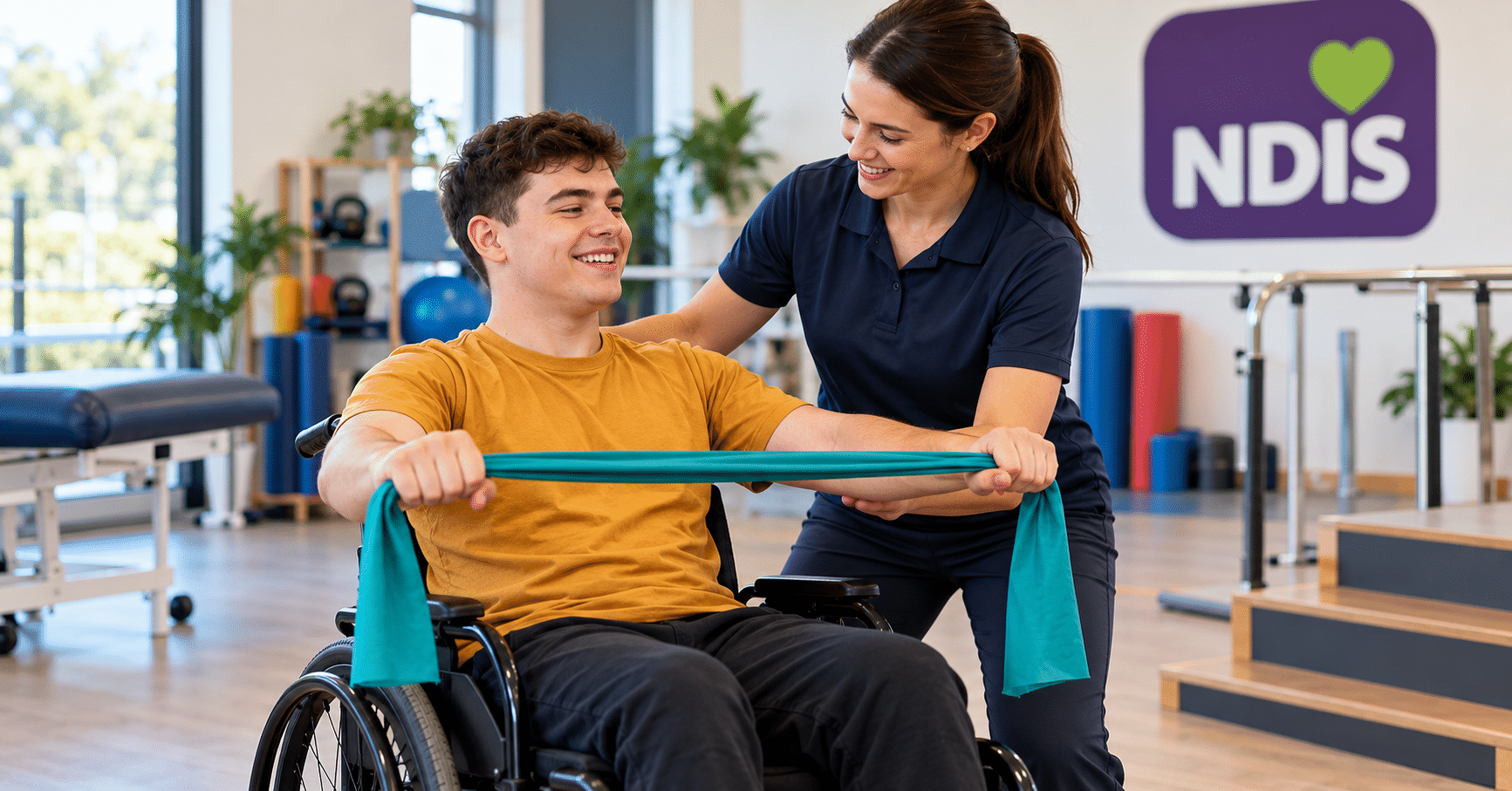
Aim for 120-150 minutes of moderate-intensity aerobic exercise per week. Spread that across 3-5 sessions of 30-45 minutes each. Add 2-3 resistance training sessions per week for extra benefits.
You don’t need intense workouts. Moderate exercise like brisk walking or cycling is enough to mobilize liver fat and cut inflammation. Most people see measurable improvements in liver function within 8-12 weeks of consistent training.
If you’re new to exercise, start with 20-minute sessions 3 times per week, then gradually increase. Combining exercise with a 20-30% calorie reduction amplifies the benefits even more.
How Exercise Actually Changes Your Liver
When I work with clients who have fatty liver disease, I explain that exercise attacks the problem from multiple angles. Your liver stores excess fat when your body takes in more calories than it burns. Exercise reverses this by forcing your body to pull energy from those fat stores.
Aerobic exercise increases oxygen consumption and burns stored fat directly. When you walk briskly or cycle for 30-40 minutes, your muscles demand energy. Your body responds by breaking down liver fat to meet that demand.
resistance training works differently but produces similar results. When you lift weights or do bodyweight exercises, you build muscle tissue. More muscle means your body burns more calories at rest, which reduces the amount of fat your liver needs to store.
Research shows that aerobic exercise at 4.8 METs for 40 minutes per session, 3 times weekly over 12 weeks, effectively reduces hepatic steatosis in patients with fatty liver disease. Resistance exercise at 3.5 METs for 45 minutes per session, 3 times weekly for 12 weeks, produces comparable improvements despite lower energy expenditure.
Exercise also reduces inflammation in liver tissue. When you exercise regularly at moderate intensity, your body shifts from producing inflammatory signals to producing anti-inflammatory ones. Studies in animal models show that moderate aerobic exercise reduces activation of inflammatory pathways and changes how immune cells behave in the liver.
What Types of Exercise Work Best for Fatty Liver Disease?
I’ve seen clients reverse fatty liver with both aerobic and resistance training. The key is consistency, not intensity.
Aerobic exercise includes brisk walking, cycling, swimming, jogging, or using an elliptical machine. These activities raise your heart rate and keep it elevated for extended periods. For liver health, aim for moderate intensity where you can still talk but not sing during the workout.
One of my clients started with 20-minute walks three times per week. After 8 weeks, her liver enzyme levels dropped significantly. She wasn’t running marathons. She was just moving consistently.
Resistance training includes lifting weights, using resistance bands, doing bodyweight exercises like pushups and squats, or practicing Pilates. Research shows that Pilates training reduces hepatic fat content and liver enzymes in middle-aged men with fatty liver disease.
Clients who combined both types of exercise saw faster improvements than those who did only one. A typical week might include three 30-40 minute aerobic sessions and two 30-minute resistance sessions.
High-intensity interval training shows promise in some studies, but moderate-intensity exercise produces reliable results without requiring you to push to exhaustion. Most people with metabolic dysfunction and fatty liver find moderate exercise more sustainable long-term.
Can Fatty Liver Go Away With Exercise?
Yes. Exercise can reverse fatty liver disease when done consistently over 8-12 weeks or longer.
I remember when one of my clients came in with elevated liver enzymes and visible fat on an ultrasound. After 12 weeks of walking 40 minutes five times per week and doing bodyweight resistance training twice weekly, his follow-up ultrasound showed significant reduction in liver fat. His liver function tests improved dramatically.
The timeline varies by person. Some people see improvements in liver enzymes within 4-6 weeks. Others need 12-16 weeks of consistent training before imaging shows clear reduction in liver fat.
Exercise works better when combined with dietary changes. A 20-30% calorie reduction speeds up fat loss from the liver. You don’t need extreme restriction. Small, sustainable changes produce better long-term results than crash diets.
Weight loss of 5-10% of body weight typically produces measurable improvements in fatty liver disease. Exercise helps you reach that target while preserving muscle mass and improving insulin sensitivity.
What Is the Fastest Way to Repair Your Liver?
Combine daily moderate-intensity exercise with a calorie deficit and eliminate alcohol completely. This approach addresses the root causes of liver damage: excess stored fat, inflammation, and toxic substances.
In my experience, clients who exercise daily see faster improvements than those who exercise 3 times per week. Daily movement keeps your metabolism elevated and continuously pulls energy from liver fat stores.
This happened to my client Sarah, who switched from 3 weekly gym sessions to 30 minutes of walking every single day. Her liver enzymes normalized in 10 weeks instead of the typical 12-16 weeks.
Alcohol creates direct toxic damage to liver cells. Even moderate drinking slows liver repair. Complete abstinence allows your liver to focus energy on healing instead of processing toxins.
Sleep quality matters more than most people realize. Poor sleep disrupts metabolic processes that control fat storage in the liver. Aim for 7-8 hours per night in a dark, cool room.
Some supplements show promise in research, but exercise and diet changes produce the most reliable results. If your liver enzymes remain elevated after 3-6 months of consistent lifestyle changes, see a liver specialist for additional evaluation. Work with a fitness specialist for a personalized plan with professional guidance.
How Can I Clean My Liver in 7 Days?
You can’t fully reverse fatty liver in one week, but you can start the process and see early improvements in how you feel.
Start with 30 minutes of brisk walking every day for 7 days. Add 15 minutes of bodyweight exercises like squats, pushups, and planks on alternate days. Cut your calorie intake by 500 calories per day through portion control. Eliminate alcohol, sugary drinks, and processed foods completely.
What you’ll notice in the first week: better energy levels, less bloating, improved sleep quality, and possibly a few pounds of weight loss. These changes signal that your metabolism is shifting, even though significant liver fat reduction takes longer.
One of my clients used a 7-day reset to build momentum. He told me the first week gave him confidence that change was possible. That mental shift mattered as much as the physical changes.
The liver responds to consistent input over time, not quick fixes. The habits you build in the first week matter more than any single-week outcome. Most people need 8-12 weeks to see measurable reduction in liver fat on imaging studies.
How Can I Strengthen My Liver?
Strengthening your liver means improving its ability to process fats, filter toxins, and regulate metabolism. Exercise is the most effective tool you have.
Regular aerobic exercise improves how your liver handles sugar and fat. When you exercise consistently, your liver becomes more efficient at breaking down stored fat and regulating blood glucose. This reduces the workload on liver cells and prevents fat accumulation.
Resistance training builds muscle mass, which acts as a metabolic sink for glucose and fat. More muscle means your body stores less fat in your liver. Studies show that gut bacteria changes induced by exercise independently inhibit fatty liver development and hepatic inflammation.
I know this because my client David added strength training to his routine after months of only doing cardio. His liver enzyme levels, which had plateaued, started dropping again within 4 weeks of adding resistance work.
Your gut and liver communicate constantly. Exercise modifies the bacterial composition in your gut, reducing inflammatory bacterial species and increasing beneficial ones. A 12-week combined strength and endurance program significantly reduces bacterial profiles associated with hepatic inflammation.
Antioxidant capacity in your body improves with regular exercise. Your cells produce molecules that protect against oxidative stress, which damages liver tissue over time. This balance is critical for long-term liver health.
What Most Articles Get Wrong About Exercise and Liver Health
Myth: You need intense exercise to see results. Research shows that moderate-intensity exercise produces the same liver fat reduction as vigorous exercise. Consistency beats intensity every time. Walking at a brisk pace works as well as running if you do it regularly.
Myth: Aerobic exercise is better than resistance training for fatty liver. Both modalities produce comparable improvements in liver fat content. The best program includes both types because they work through different mechanisms. Aerobic exercise burns fat directly. Resistance training builds muscle that increases your metabolic rate long-term.
Myth: You need to lose a lot of weight to improve liver health. Even modest weight loss of 3-5% produces measurable improvements in liver inflammation and fat content. One of my clients saw his liver enzymes drop by 30% after losing just 8 pounds over 12 weeks. He still had 40 pounds to lose for his goal weight, but his liver was already healing.
Building an Exercise Plan That Actually Works
Start where you are, not where you think you should be. If you’re sedentary now, 20 minutes of walking 3 times per week is enough to start. Add 5 minutes every two weeks until you reach 40-45 minutes per session.
A realistic weekly plan for someone with fatty liver disease looks like this: Monday, Wednesday, Friday, 40 minutes of brisk walking or cycling. Tuesday, Thursday, 30 minutes of resistance training focusing on major muscle groups. Saturday, 30 minutes of any activity you enjoy. Sunday, rest or gentle movement like stretching.
Track your sessions in a simple log. When I ask clients to write down what they did, they stick with the program much longer than when they try to remember everything.
Signs you’re on the right track: You feel energized after workouts instead of exhausted. Your sleep improves. You notice less afternoon fatigue. Your clothes fit differently even before the scale moves much. These changes typically appear within 3-4 weeks.
If you develop persistent pain, extreme fatigue, or worsening symptoms, reduce your training volume and check with your doctor. Most people with fatty liver disease tolerate moderate exercise well, but individual responses vary.
When to Add Medical Treatment
Exercise and diet changes work for most people with fatty liver disease. Some need additional help.
See a liver specialist if your liver enzymes remain elevated after 6 months of consistent exercise and dietary changes. If imaging shows progression to fibrosis despite lifestyle modifications, you need evaluation for other contributing factors. If you develop symptoms like persistent abdominal pain, jaundice, or unexplained weight loss, get evaluated immediately.
Medications for fatty liver disease exist but work best when combined with exercise. No drug replaces the metabolic benefits of regular physical activity. Exercise changes how your entire body handles energy, not just your liver.
This is based on what happened to my client Tom, who needed medication for severe fatty liver disease. His doctor told him the medication would only work if he exercised consistently. Tom did both. His liver fat decreased by 60% over 6 months. He’s convinced the exercise made the medication work better.
Frequently Asked Questions
How long before I see results in my liver from exercise? Most people see improvements in liver enzyme levels within 4-8 weeks of consistent exercise. Imaging studies that measure liver fat typically show measurable reduction after 8-12 weeks of regular training.
Can I exercise if I have alcoholic liver disease? Yes, but you must stop drinking completely first. Exercise helps repair liver damage from alcohol, but it cannot overcome ongoing alcohol consumption. Work with your doctor to determine safe exercise intensity based on your liver function and overall health.
Is walking enough to help fatty liver disease? Yes. Brisk walking for 40 minutes, 5 times per week produces significant improvements in liver fat content. You don’t need gym equipment or intense workouts. Consistent moderate-intensity walking works.
Should I exercise every day or take rest days? Both approaches work. Daily moderate exercise keeps your metabolism elevated consistently. Alternating exercise days with rest days allows recovery while still producing benefits. Choose the pattern you can sustain long-term.
Can exercise reverse liver fibrosis? Exercise can slow or stop progression of early fibrosis and may produce some reversal in combination with other treatments. Advanced fibrosis requires medical management, though exercise remains an important part of treatment.
Your Next Step
Schedule three 30-minute walks this week at a pace where you can talk but not sing. Pick specific days and times right now. Add one 20-minute resistance training session this week using bodyweight exercises. Cut your portion sizes by 20% at each meal. Check your liver enzyme levels in 8 weeks to measure your progress.
Sources
- Hashida R, Kawaguchi T, Bekki M, Omoto M, Matsuse H, Nago T, et al. (2017) “Aerobic vs. resistance exercise in non-alcoholic fatty liver disease: A systematic review” Journal of hepatology. PMID: 27639843
- Wang S, Xu C, Yue Y (2024) “A170: Effects of Exercise on Liver Function and Inflammatory Markers in NAFLD Patients” International Journal of Physical Activity and Health. DOI: 10.18122/ijpah.3.3.170.boisestate
- Wang S, Xu C (2026) “A150: Aerobic Exercise and Caloric Restriction Modulate Macrophage Polarization and NLRP3 in Liver Tissue of Obese” International Journal of Physical Activity and Health. DOI: 10.18122/ijpah.5.1.150.boisestate
- Esteves JV, Stanford KI (2024) “Exercise as a tool to mitigate metabolic disease” American journal of physiology. Cell physiology. PMID: 38981607
- Oyanagi E, et. al. (2018) “Gut microbiota in exercise trained Toll-like receptor 5 deficient mice inhibits fatty liver and hepatic inflammation” Annals of Research in Sport and Physical Activity. DOI: 10.14195/2182-7087_ex2018_93
- Keymasi Z, Sadeghi A, Pourrazi H (2020) “Effect of Pilates training on hepatic fat content and liver enzymes in middle-aged men with non-alcoholic fatty liver disease” Baltic Journal of Health and Physical Activity. DOI: 10.29359/bjhpa.12.1.04
- Walzik D, Wences Chirino TY, Zimmer P, Joisten N (2024) “Molecular insights of exercise therapy in disease prevention and treatment” Signal transduction and targeted therapy. PMID: 38806473
- Quiroga R, Nistal E, Estébanez B, Porras D, Juárez-Fernández M, Martínez-Flórez S, et al. (2020) “Exercise training modulates the gut microbiota profile and impairs inflammatory signaling pathways in obese children” Experimental & molecular medicine. PMID: 32624568