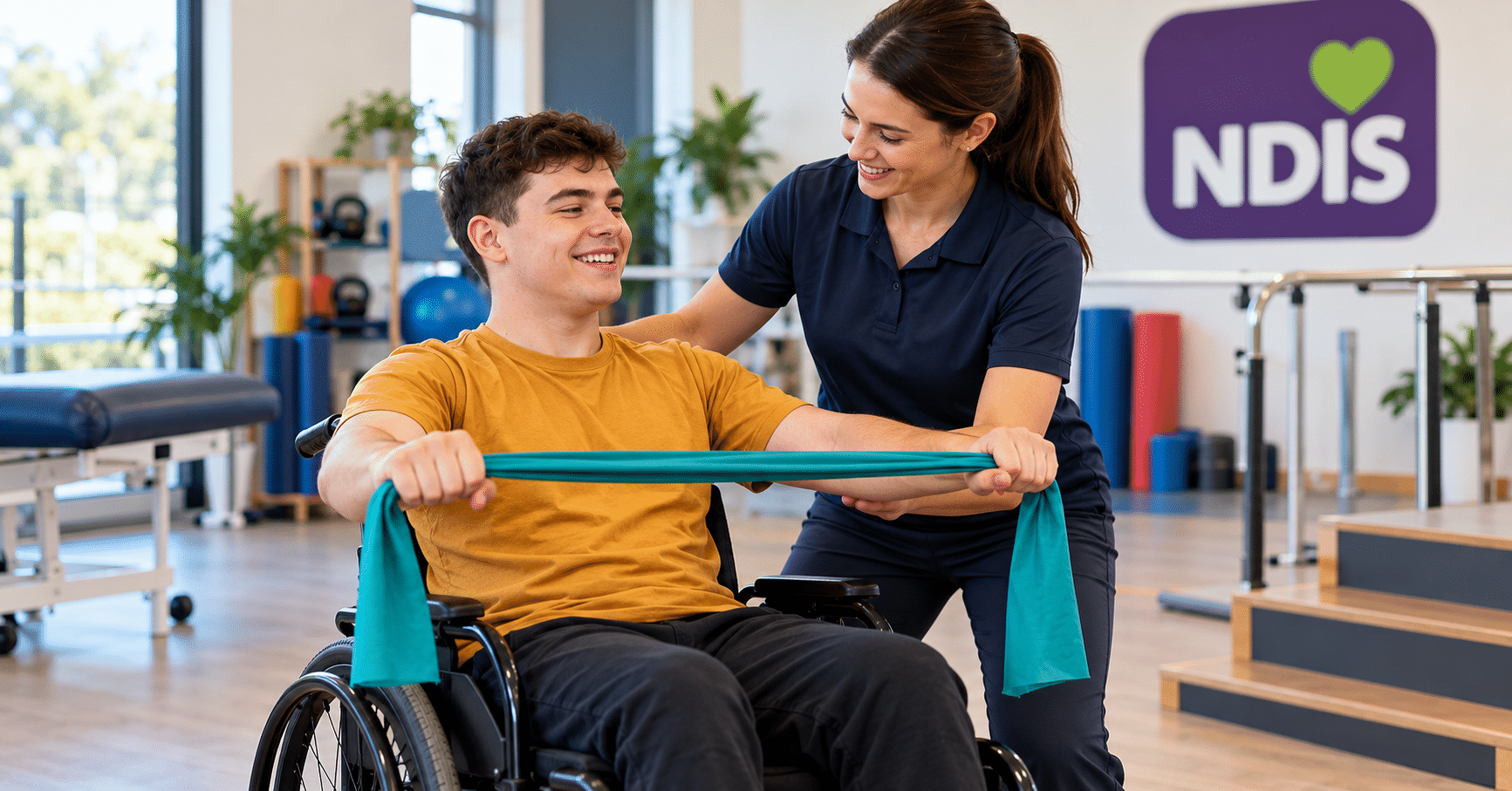
You need three types of workouts: resistance training 3-4 days per week, cardio most days, and mobility work. For resistance, six compound movements cover everything: squats, presses, rows, pull-ups, deadlifts, and hip hinges.
Do 2-3 sets of 8-12 reps, 2-3 times weekly, and add weight every 1-2 weeks. For cardio, aim for 150 minutes at conversational pace or 75 minutes hard per week. Most people see real results from 3-4 resistance sessions plus 2-3 cardio sessions weekly.
If you can only pick one, do resistance training. It builds strength, bone density, and metabolic health.
Why These Three and Nothing Else?
Your body adapts to stress in three main ways. Resistance training makes your skeletal muscle stronger and more capable of producing force.
Cardio improves your circulatory system and how efficiently your heart pumps blood. Mobility work keeps your joints moving through full ranges without pain.
Research on military cadets found that different types of equipment, bodyweight, bands, minimal gear, all produced the same improvements in strength, power, and body composition when volume and effort matched. The equipment matters less than the movement pattern and progressive overload.
I remember when one of my clients insisted she needed twelve different arm exercises. After six weeks of just pressing and rowing twice a week, her arms looked better than after two years of random cable work. She got stronger, saved an hour per session, and stopped feeling overwhelmed.
What Are the Only 5 Exercises You’ll Ever Need?
If you can only do five movements, pick these: squat, press, row, pull-up, and deadlift. These cover every major muscle group and movement pattern your body needs.
A squat trains your legs to push you up from a chair, carry groceries, or climb stairs. A press builds your shoulders and chest so you can lift things overhead or push objects away. A row strengthens your back for pulling open doors, carrying bags, or maintaining good posture.
Pull-ups train vertical pulling, which balances all the forward-pushing most people do. A deadlift teaches your body to lift heavy things off the ground without hurting your back.
One client of mine had chronic knee pain from osteoarthritis. When we started resistance training twice a week, her stiffness dropped and her function improved within eight weeks. She only did goblet squats, dumbbell rows, and hip hinges. Nothing fancy.
These five movements hit every major muscle group. Your legs, back, chest, shoulders, and arms all get trained. You build strength in patterns you actually use in real life.
Adding a Sixth Exercise Makes It Complete
If you add one more, make it a hip hinge like a Romanian deadlift or kettlebell swing. This trains the back of your legs and lower back in a pattern that protects your spine when you bend over to pick things up.
When I tried running a minimalist program myself, I dropped from ten exercises to these six. My strength went up faster because I stopped spreading my energy across too many movements. I added weight to my squat every week for three months straight.
How Much Resistance Training Do You Actually Need?
Moderate volume beats both high and low volume for strength gains. That means 2-3 sets per exercise, done 2-3 times per week, produces better results than either doing one set or doing five sets.
Elite female rowers improved sport-specific performance with both heavy-resistance training and strength-endurance training. The key was consistent progressive overload, not which exact rep range they used.
Start with three sessions per week. Each session should include one exercise from each major pattern: something for legs, something for pushing, something for pulling. Rest at least one day between sessions so your muscles can adapt and grow stronger.
This is what a basic week looks like. Monday you squat, press, and row. Wednesday you deadlift, do pull-ups, and press again. Friday you squat again, row again, and add a hip hinge. Three days, six movements, 45 minutes per session.
What About Cardio?
Cardio protects your heart, improves your aerobic exercise capacity, and helps control body weight. The standard recommendation is 150 minutes of moderate intensity or 75 minutes of vigorous intensity per week.
Moderate means you can hold a conversation but you’re breathing harder than normal. Vigorous means you can only speak a few words before needing a breath. Walking, jogging, cycling, swimming, or rowing all count.
Basketball players who did concurrent training, mixing aerobic and resistance work in the same program, improved maximum strength in both strength and endurance tests. Your body adapts to both types of stress without one canceling out the other.
I know this because one of my clients was convinced cardio would kill his muscle gains. After adding three 30-minute walks per week, his recovery improved, his sleep got better, and he actually added five kilos to his squat. Cardio supports strength training when you don’t overdo it.
Split it however works for your schedule. Five 30-minute sessions at moderate pace hits 150 minutes. Three 25-minute hard sessions gets you to 75 minutes. Two longer sessions plus one short one works too.
Does Mobility Work Matter?
Mobility work keeps your joints healthy and your movement quality high. It doesn’t build strength or improve your circulatory system, but it prevents injuries and makes everything else feel better.
Spend 10-15 minutes after your workouts or on rest days working through movements that feel tight. Hip flexor stretches, shoulder rolls, deep squats, and spinal rotations cover most people’s needs.
This happened to my client who couldn’t squat below parallel without his heels lifting. After two weeks of daily ankle and hip mobility drills, his squat depth improved and his knee pain disappeared. His strength went up because he could finally use full ranges of motion.
What Is the 3-3-3 Rule?
The 3-3-3 rule is one approach to structuring workouts: three exercises, three sets each, three times per week. It’s simple and it works for beginners who need structure without overthinking.
Pick three compound movements like squat, press, and row. Do three sets of 8-12 reps for each. Train three days per week with at least one rest day between sessions. Add weight when you can complete all three sets with good form.
When I started one client on this exact structure, she went from never lifting weights to squatting 60 kilos in twelve weeks. The simplicity kept her consistent. She knew exactly what to do every session.
What Are the 8 Essential Exercises?
If you expand to eight movements, you get more variety without adding complexity. The core six, squat, press, row, pull-up, deadlift, hip hinge, stay the same. Add two more: a single-leg movement like a lunge or step-up, and a core exercise like a plank or pallof press.
Single-leg work fixes imbalances between your left and right sides. Most people favor one leg without realizing it. Lunges or split squats force each leg to work independently.
Core exercises train your midsection to stabilize your spine during movement. A strong core transfers force better between your upper and lower body, which improves every other lift.
One of my clients had lower back pain that vanished after adding planks and lunges twice a week. Her deadlift went up 15 kilos in six weeks because her core could finally brace properly.
How Do You Progress Without Adding More Exercises?
Progressive overload means gradually increasing the stress you place on your body. The easiest way is adding weight to the bar every 1-2 weeks.
Research shows that novel movement arcs and accommodating resistance like bands or chains can optimize results, but these are refinements. For most people, adding 2-5 kilos to a lift every week or two produces steady strength gains for months or years. progressive overload
When adding weight stops working, increase volume. Go from two sets to three, or from 8 reps to 10. When volume stops working, increase frequency. Train a movement twice per week instead of once.
This happened to my client who plateaued on his bench press. Instead of switching to ten different chest exercises, we added one more pressing session per week. His bench went from 80 kilos to 95 kilos in eight weeks.
What Most Programs Get Wrong
Most programs add too many exercises too soon. You don’t need separate bicep curls, tricep extensions, lateral raises, and calf raises when you’re still building base strength. Compound movements train all those muscles already.
Another mistake is chasing variety for its own sake. Your muscles don’t care if you squat with a barbell, dumbbells, or a safety bar. They respond to the stress of pushing against resistance. Switching exercises every week prevents you from tracking progress and getting stronger.
I remember when one of my clients came to me doing 22 different exercises per week from a program she found online. She was exhausted, not getting stronger, and ready to quit. We cut it down to six movements, three times per week. Within a month she felt energized, her lifts were going up, and she actually looked forward to training.
Can You Do This With Health Conditions?
Resistance training improved function and reduced stiffness in people with knee osteoarthritis. The movements were the same, squats, leg presses, step-ups, just modified for their pain levels and gradually progressed.
If you have a health condition, the core principle stays the same. Pick compound movements that don’t hurt, start light, and add load slowly. Work with a professional who understands your condition if you’re unsure where to start.
One client of mine had prediabetes. After twelve weeks of resistance training three times per week plus walking on other days, his blood sugar control improved and he lost eight kilos. The workouts were basic, squat, press, row, deadlift, but consistent.
What If You Can Only Train Twice a Week?
Train full-body both sessions. Pick three movements per session that cover the major patterns. Monday could be squat, press, row. Thursday could be deadlift, pull-up, hip hinge. You hit everything twice in eight days with just two sessions per week.
This is what happened to one of my clients who traveled constantly for work. He trained twice a week, six exercises total, 45 minutes per session. After six months he was stronger than when he used to train four times per week with twice as many exercises. Consistency beat volume.
How Do Sleep and Recovery Fit In?
Sleep is when your body adapts to training stress. Your skeletal muscle repairs and grows during deep sleep. Your circulatory system recovers. Your nervous system resets.
Most people need 7-9 hours per night. If you’re training hard and not getting stronger, look at your sleep first before adding more exercises or changing your program.
When I tried training six days per week on five hours of sleep, my lifts went down and I felt terrible. When I dropped to four training days and prioritized eight hours of sleep, my strength shot up and I stopped getting sick.
Frequently Asked Questions
Can you build muscle with just bodyweight exercises?
Yes. Military cadets improved strength, power, and body composition with bodyweight training just as much as those using weights. The key is progressive overload. Make the exercises harder over time by adding reps, slowing down the tempo, or using harder variations like single-leg squats or handstand pushups.
Do you need separate arm exercises?
No. Presses train your triceps, rows and pull-ups train your biceps. Your arms get plenty of work from compound movements. Add direct arm work only if you want bigger arms for appearance, not because you need it for function or strength.
Should you train to failure?
No. Stop 1-2 reps short of failure on most sets. Training to failure increases fatigue without improving strength gains for most people. Save max-effort sets for occasional tests or the last set of a workout.
How long until you see results?
Most people notice strength improvements in 2-3 weeks. Visible muscle changes take 6-8 weeks. Body composition changes depend on your diet but usually show up in 8-12 weeks with consistent training.
What if a movement hurts?
Don’t push through pain. Swap it for a variation that doesn’t hurt. If squats bother your knees, try goblet squats or split squats. If overhead pressing hurts your shoulder, do pushups or floor presses instead. Pain is a signal to modify, not quit.
Your Action Plan
Start with these three steps. First, pick six exercises that cover squat, press, row, pull-up, deadlift, and hip hinge. Second, train three times per week, doing 2-3 sets of 8-12 reps for each movement. Third, add 2-5 kilos to each lift every 1-2 weeks.
Add cardio on rest days or after lifting. Aim for 30 minutes at a pace where you can still talk but are breathing harder than normal. Do this 4-5 times per week.
Track your lifts in a notebook or app. Write down the weight, sets, and reps for each exercise every session. When you can complete all your sets with good form, add weight next time.
Sources
- González-Badillo J, Gorostiaga E, Arellano R, Izquierdo M (2005) “Moderate Resistance Training Volume Produces More Favorable Strength Gains Than High or Low Volumes During a Short-Term Training Cycle” The Journal of Strength and Conditioning Research. DOI: 10.1519/r-15574.1
- Yazdi F, Salajegheh A, Yazdi Yahyaabadi F, Salajegheh P (2025) “The Impact of Strength/Resistance Training on Related Outcomes of Patients with Knee Osteoarthritis: A Systematic Review and Meta-Analysis Study” Galen Medical Journal. DOI: 10.31661/gmj.v14i.3720
- Thiele D, Prieske O, Lesinski M, Granacher U (2020) “Effects of Equal Volume Heavy-Resistance Strength Training Versus Strength Endurance Training on Physical Fitness and Sport-Specific Performance in Young Elite Female Rowers” Frontiers in Physiology. DOI: 10.3389/fphys.2020.00888
- Richards J, Dawson T (2009) “Optimizing Exercise Outcomes: The Efficacy of Resistance Training Using Conventional vs. Novel Movement Arcs” Journal of Strength and Conditioning Research. DOI: 10.1519/jsc.0b013e3181b43aa6
- Cintineo H, Chandler A, Mastrofini G, Lints B, McFadden B, Arent S (2024) “Effects of Minimal-Equipment Resistance Training and Blood Flow Restriction on Military-Relevant Performance Outcomes” Journal of Strength & Conditioning Research. DOI: 10.1519/jsc.0000000000004596
- Rajesh Sobti (2021) “EFFECT OF AEROBIC TRAINING, RESISTANCE TRAINING AND CONCURRENT TRAINING ON MAXIMUM STRENGTH AMONG BASKETBALL PLAYERS” Vidhyayana. DOI: 10.58213/ew4gzn83
- Kawaguchi S (2022) “Accommodating resistance offer a higher training stimulus than constant resistance to improve upper-body strength” Journal of Strength and Performance. DOI: 10.21428/6404b16e.23c5c1ea
- Young W (1993) “RESISTANCE TRAINING: Training for Speed/Strength: Heavy vs. Light Loads” National Strength & Conditioning Association Journal. DOI: 10.1519/0744-0049(1993)015<0034:tfsshv>2.3.co;2