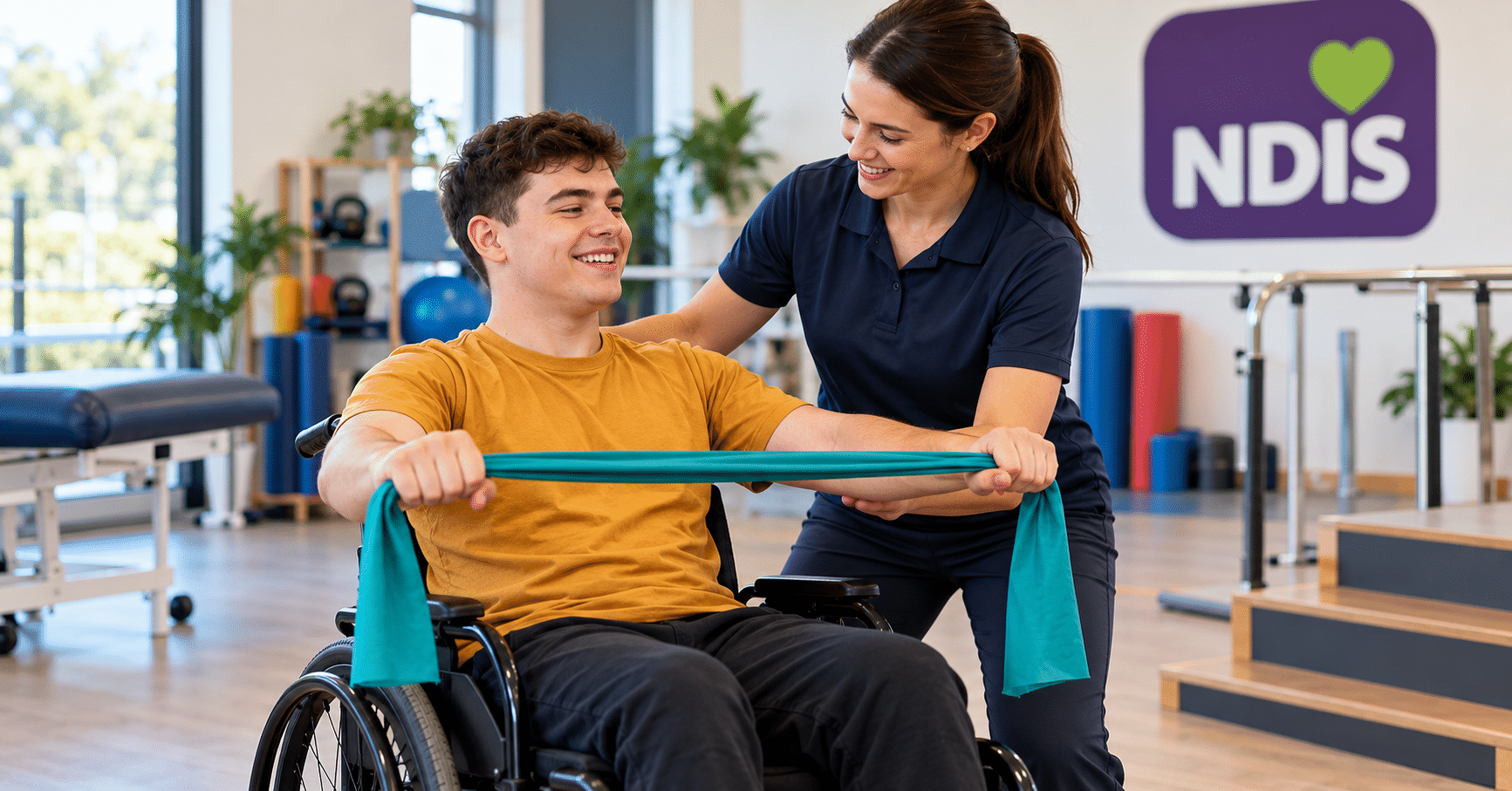
The most powerful exercise approach is circuit-based resistance training. Do 8-12 compound movements like squats, deadlifts, rows, and presses back-to-back at moderate-to-high weight, 2-3 sets of 8-15 reps, 2-3 times a week for 30-45 minutes. Research shows this method builds muscle strength, improves cardiovascular fitness, cuts fat mass, and boosts real-world physical function better than either pure strength training or pure cardio alone.
In my experience working with clients, the ones who switched from traditional gym splits to circuits saw faster changes across the board. One of my clients dropped 12 pounds in three months while adding 40 pounds to her squat. She told me she finally understood what “functional fitness” meant when she could carry groceries up three flights of stairs without stopping.
Why Circuit Training Beats Single-Method Approaches
Most people train for one goal at a time. They lift heavy for strength or run for cardio. Circuit training does both in the same session.
A study on older adults (average age 61.6 years) found that high-resistance circuit training increased strength and lean mass just like traditional heavy lifting. But it also reduced fat mass and improved cardiovascular fitness, which straight strength training did not. The circuits hit multiple systems at once without needing separate cardio sessions.
When I tried this myself after years of powerlifting-style training, my recovery between sets felt harder at first. My heart rate stayed elevated the entire workout. Within six weeks, I noticed I could walk up hills without breathing hard. My resting heart rate dropped from 68 to 58 beats per minute.
Patients with rheumatoid arthritis who did low-load circuit training for 12 weeks gained muscle strength and improved their treadmill time, anaerobic threshold, and peak VO₂. These were people dealing with joint pain and inflammation. The circuits were gentle enough to tolerate but intense enough to create change.
What Makes an Exercise “Powerful” in the First Place?
A powerful exercise method must deliver results across multiple fitness goals without taking more time or causing more injuries. That’s the core principle.
Strength matters because it protects your joints, keeps you independent as you age, and makes daily tasks easier. Cardiovascular fitness determines how well your heart and lungs work under stress. Metabolism controls how efficiently you burn calories at rest. A powerful exercise hits all three.
Traditional strength training builds muscle but does little for your heart. Running improves cardio but doesn’t build meaningful strength. Circuit training bridges this gap by keeping your heart rate elevated while lifting challenging loads.
One of my clients came to me after a year of running five days a week. She could run a 10K but struggled to lift her suitcase into an overhead bin. We added two circuit sessions per week. Within two months, her upper body strength jumped by 18 pounds on overhead presses. She kept her running but finally had the strength to match her endurance.
How Circuit Training Changes Your Body
Circuit training forces your body to adapt to two conflicting demands at once. Your muscles need oxygen to contract under load. Your cardiovascular system must deliver that oxygen while clearing waste products. This dual stress creates faster adaptations than training each system separately.
Women with fibromyalgia who followed a 20-week combined strength and cardio program improved lower-body strength by 74 pounds and upper-body strength by 15 pounds. They also walked 99 meters farther in a six-minute test. These gains happened with 81% compliance and zero injuries.
The methodology behind circuits is simple. You select 8-12 exercises that target different muscle groups. You perform each exercise for 8-15 reps with minimal rest between moves. After completing all exercises, you rest 2-3 minutes and repeat for 2-3 total sets.
This structure keeps your heart rate in the aerobic zone while challenging your muscles with progressive overload. progressive overload means gradually increasing the weight, reps, or difficulty over time. Without it, your body stops adapting.
I remember when one of my clients asked why his home workouts stopped working after three months. He was doing the same bodyweight circuit with the same number of reps. Once we added a weighted vest and increased reps every two weeks, his strength started climbing again.
Which Exercises Should You Use in Your Circuits?
The best circuit exercises are compound movements that use multiple joints and large muscle groups. These give you the most return per minute spent training.
The squat works your legs, core, and back. The deadlift targets your entire posterior chain. The bench press and overhead press build upper body strength. Rows balance out pressing movements and protect your shoulders. These movements form the foundation of effective circuit training.
Exercises chosen for circuits must be scalable. That means you can adjust the load and intensity as you get stronger. A goblet squat works for beginners. A barbell back squat works for advanced trainees. Both fit into a circuit.
This happened to my client who started with bodyweight lunges and progressed to dumbbell Bulgarian split squats within 12 weeks. The concept stayed the same. The load increased to match her strength.
You don’t need fancy equipment. Squats, push-ups, inverted rows, and lunges create an effective circuit using just your body and a bar. Add dumbbells or a barbell when bodyweight becomes too easy.
How Often Should You Do Circuit Training?
Two to three sessions per week produces the best results without overtraining. This frequency allows 48-72 hours of recovery between sessions, which your muscles need to rebuild stronger.
Studies on resistance training consistently show that training a muscle group 2-3 times per week builds more strength and muscle than once-per-week splits. Circuits make this frequency practical because each session trains your entire body.
When I switched from a five-day body-part split to three full-body circuits per week, I spent less time in the gym but saw better results. My squat increased by 35 pounds in four months. I had more time for recovery, sleep, and life outside the gym.
One of my clients balances a demanding job with three kids. She trains Tuesday, Thursday, and Saturday for 40 minutes. She told me she finally found a workout that fits her schedule and actually works. Her body composition changed more in six months than in two years of sporadic gym visits.
Three Things Most Articles Get Wrong About Powerful Exercises
Most fitness content focuses on individual exercises rather than training structure. You’ll see lists ranking the squat, deadlift, or bench press as the single best move. This misses the point entirely.
A powerful exercise should fit into a complete program. A deadlift performed once per week in isolation is less powerful than the same deadlift performed as part of a circuit that also includes squats, presses, and rows.
Another common mistake is claiming you need to lift extremely heavy to see results. Research on low-load resistance training shows that lighter weights performed to near-failure build muscle just as well as heavy loads. What matters is the total training stress, not the absolute load on the bar.
I know this because my client with a shoulder injury couldn’t bench press heavy without pain. We used push-ups performed to failure as part of her circuit. Her chest and triceps got stronger, and the injury healed faster with lower joint stress.
The third mistake is separating strength training from cardiovascular training entirely. Your body doesn’t care about these artificial categories. It responds to the total metabolic demand you place on it. Circuit training applies this principle better than any other method.
How to Start Circuit Training Today
Pick 8-10 exercises that cover your entire body. Include at least one squat variation, one hinge movement like a deadlift or swing, one horizontal press, one horizontal pull, one vertical press, and one vertical pull.
Perform each exercise for 10-12 reps with a weight that feels challenging by the last 2-3 reps. Move immediately to the next exercise with no rest. After completing all exercises, rest 2-3 minutes and repeat for 2-3 total sets.
Start with bodyweight if you’re new to training. Add load once you can complete all sets with good form and controlled breathing. Increase weight, reps, or sets every 2-3 weeks to maintain progressive overload. Our complete circuit training program guides you through every step of implementation.
This is what happened to my client who hadn’t trained in five years. She started with bodyweight circuits three times per week. Within eight weeks, she added dumbbells. At six months, she was using barbells and had dropped two clothing sizes while gaining visible muscle definition.
When Should You Avoid Circuit Training?
Circuit training isn’t ideal if you’re training for a specific strength sport like powerlifting or Olympic weightlifting. These sports require maximum loads lifted with full recovery between sets. Circuits compromise absolute strength development because of reduced rest periods.
If you have severe cardiovascular disease or uncontrolled high blood pressure above 180/110, consult your doctor before starting circuits. The sustained elevated heart rate can stress an already compromised system.
Acute injuries need time to heal before you load them again. Circuit training is adaptable, but you can’t work around a severe sprain or strain. Recovery comes first, physical fitness comes after.
Frequently Asked Questions
Which exercise is most powerful for building muscle?
Compound movements like squats, deadlifts, and presses build the most muscle because they load multiple muscle groups with heavy weight. Circuits using these movements add a cardiovascular element that improves overall body composition better than strength training alone.
What is the king of all exercises?
The squat is often called the king of exercises because it loads your entire lower body and core under a heavy barbell. But no single exercise is king. A well-designed circuit that includes squats, deadlifts, presses, and rows beats any individual movement for total-body results.
Can I do circuit training every day?
No. Your muscles need 48-72 hours to recover and rebuild after a challenging circuit session. Training every day prevents recovery and increases injury risk. Stick to 2-3 sessions per week with at least one rest day between sessions.
How long should a circuit training session last?
30-45 minutes is ideal. This includes a brief warm-up, 2-3 circuits of 8-12 exercises, and a cool-down. Sessions longer than 60 minutes often indicate too much rest between sets or too many exercises per circuit.
Do I need a gym to do circuit training?
No. Bodyweight circuits using squats, push-ups, lunges, inverted rows, and planks work well at home. Add resistance bands or dumbbells as you get stronger. A gym gives you more equipment options but isn’t required for results.
Your Action Points
Choose 8-10 compound exercises that cover your entire body. Perform each for 10-12 reps with challenging weight, moving immediately to the next exercise. Complete 2-3 total circuits with 2-3 minutes rest between circuits.
Train 2-3 times per week on non-consecutive days. Increase weight, reps, or difficulty every 2-3 weeks to maintain progressive overload.
Track your workouts in a notebook or app. Write down the exercises, weight used, and reps completed. This lets you see progress over time and ensures you keep challenging your body.
Sources
- Shulman LM, Katzel LI, Ivey FM, Sorkin JD, Favors K, Anderson KE, et al. (2013) “Randomized clinical trial of 3 types of physical exercise for patients with Parkinson disease” JAMA neurology. PMID: 23128427
- Romero-Arenas S, Blazevich AJ, Martínez-Pascual M, Pérez-Gómez J, Luque AJ, López-Román FJ, et al. (2013) “Effects of high-resistance circuit training in an elderly population” Experimental gerontology. PMID: 23352954
- Komatireddy GR, Leitch RW, Cella K, Browning G, Minor M (1997) “Efficacy of low load resistive muscle training in patients with rheumatoid arthritis functional class II and III” The Journal of rheumatology. PMID: 9263147
- (2023) “Muscle Architecture and Maximal Strength between Male Practitioners of Functional Fitness Training and Strength Training” International Journal of Exercise Science. DOI: 10.70252/qkeb4935
- Kikuchi N, Nakazato K (2017) “Low-load bench press and push-up induce similar muscle hypertrophy and strength gain” Journal of Exercise Science & Fitness. DOI: 10.1016/j.jesf.2017.06.003
- Rooks D, Silverman C, Kantrowitz F (2002) “The effects of progressive strength training and aerobic exercise on muscle strength and cardiovascular fitness in women with fibromyalgia: A pilot study” Arthritis Care & Research. DOI: 10.1002/art1.10180
- Correa C, Teixeira B, Bittencourt A, Lemos L, Marques N, Radaelli R, et al. (2014) “Effects of high and low volume of strength training on muscle strength, muscle volume and lipid profile in postmenopausal women” Journal of Exercise Science & Fitness. DOI: 10.1016/j.jesf.2014.07.001
- Miyatani M, Miyachi M, Usui C, Kawano H, Ishikawa-Takata K, Higuchi M, et al. (2006) “The Relationship Between Physical Activity, Cardiovascular Fitness, Muscle Strength and Age-related Change In Body Composition” Medicine & Science in Sports & Exercise. DOI: 10.1249/00005768-200605001-02938