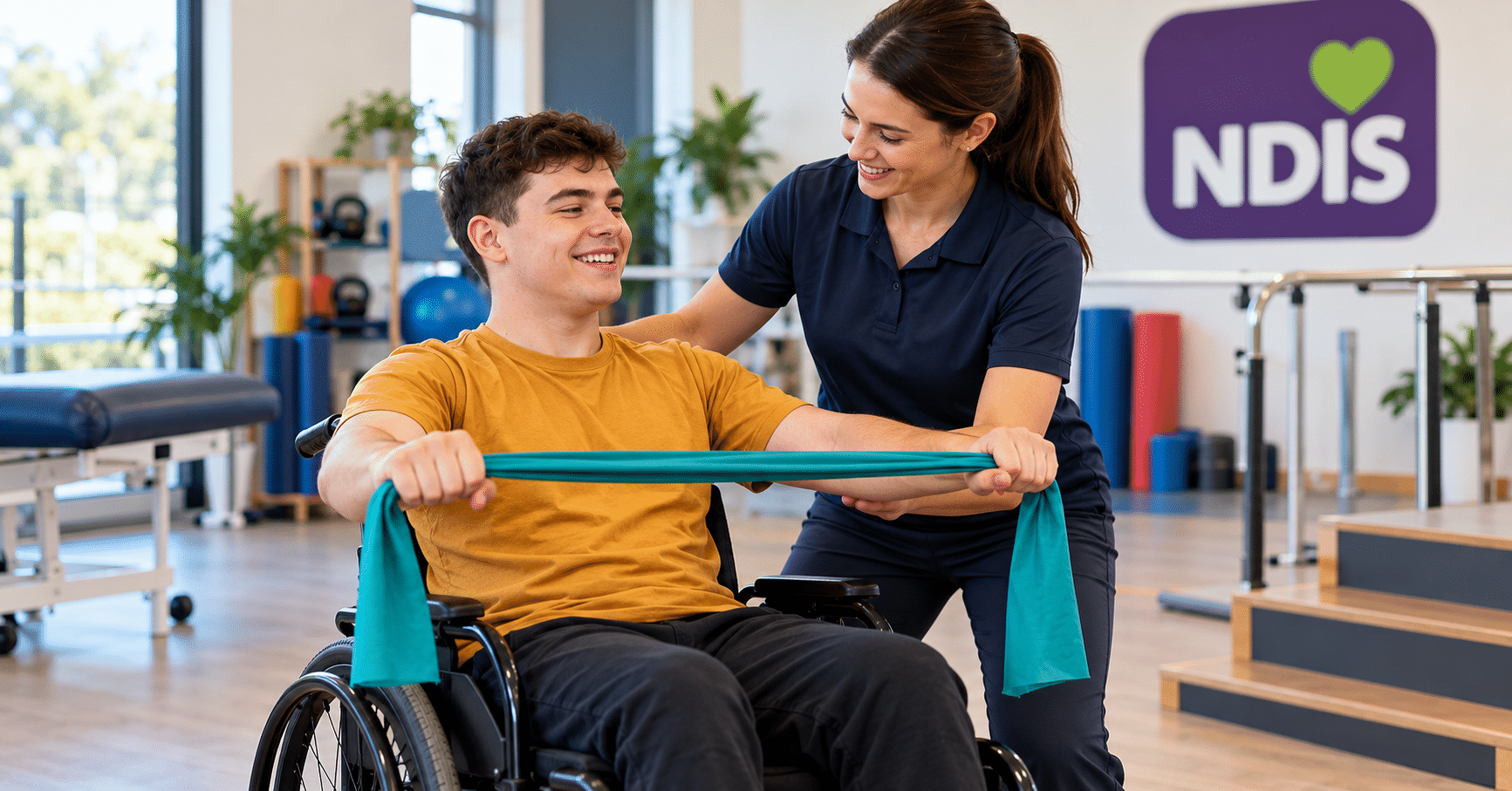
Community participation is about much more than simply getting out of the house. It is about being part of everyday life: meeting people, developing friendships, learning new skills, pursuing interests and having opportunities to contribute.
For people with disabilities, being actively involved in the community can have a meaningful impact on independence, confidence and overall quality of life. It might mean joining a local sports club, attending an art class, volunteering, going to a community event, visiting a café with friends or simply becoming more comfortable navigating the local neighbourhood.
What matters most is choice. Community participation programs like the NDIS community participation scheme should reflect what a person actually enjoys and wants to achieve, rather than becoming another activity that has been chosen for them.
What Does Community Participation Mean?
Community participation describes involvement in social, recreational, cultural, educational and civic activities outside the home.
There is no single definition of what meaningful participation should look like. For one person, it might involve joining a weekly gardening group. Someone else may want to attend concerts, volunteer at an animal shelter or learn to use public transport independently.
The World Health Organization (WHO) highlights the significant role a person’s environment plays in disability. Inaccessible transport, buildings, limited social support and negative attitudes can all create barriers that prevent people from participating fully in society.
Good community support therefore isn’t simply about bringing someone to an activity. It is about identifying and reducing the barriers that make participation difficult in the first place.
1. Community Participation Creates a Sense of Belonging
Most people want to feel that they belong somewhere.
Regular participation in community life creates opportunities to meet people naturally and develop relationships around shared interests. A person attending the same cooking class every Thursday, for example, gradually becomes a familiar face rather than simply a visitor.
Those repeated interactions matter.
Research into social and community participation has found that people with disabilities describe benefits including a stronger sense of belonging, deeper relationships with friends and family, larger social networks and reduced isolation.
This is an important distinction. Being physically present in the community does not automatically mean someone feels included. Genuine participation involves being welcomed, recognised and able to contribute.
2. It Can Reduce Social Isolation
Social isolation remains a significant issue for many people living with disabilities.
Barriers can include inaccessible environments, transport difficulties, communication challenges, financial limitations or simply not knowing what activities are available locally.
Sometimes the barriers are less obvious. A person may have access to transportation and support but lack the confidence to walk into a new group where they don’t know anybody.
Over time, limited opportunities for interaction can shrink someone’s social network.
Community participation creates regular opportunities for social contact. Something as simple as attending a local class each week can provide structure and introduce people with similar interests.
The aim isn’t necessarily to create dozens of friendships. Even a handful of meaningful connections can make everyday life feel considerably less isolated.
3. It Helps Build Independence
One of the most valuable parts of community participation is the opportunity to practise everyday skills in real situations.
Consider what might be involved in attending a local activity independently:
- planning where to go
- organising transport
- managing money
- communicating with other people
- making decisions
- navigating unfamiliar environments
- solving small problems when plans change.
These skills are difficult to develop entirely at home.
With appropriate support, someone might initially attend an activity alongside a support worker or family member. As confidence and familiarity grow, that support may gradually reduce.
The goal isn’t independence at all costs. Everyone relies on other people to some degree. Instead, it is about giving people greater choice and control over how they live their lives.
4. Participation Can Build Confidence
Trying something unfamiliar can be intimidating for anyone.
For someone who has previously experienced exclusion, discrimination or inaccessible environments, entering a new social setting can be particularly difficult.
Positive experiences can gradually change that.
Successfully ordering at a café, attending a class, catching public transport or introducing yourself to someone new might seem like small achievements from the outside. For the individual, they can represent important milestones.
Confidence often develops through experience rather than instruction.
One successful experience makes the next one easier. Over time, a person may become comfortable exploring activities and places they previously avoided.
5. Hobbies Can Become Genuine Social Connections
Shared interests are one of the easiest ways for people to connect.
That’s why effective community participation often starts by asking a simple question:
What does this person actually enjoy?
Someone interested in animals might enjoy volunteering at an animal shelter. A football fan might prefer attending matches or joining an accessible sports program. Someone who loves technology might enjoy a gaming group or computer club.
When the activity itself is interesting, social interaction can develop naturally around it.
This approach is very different from placing people into generic disability programs simply because they are available.
Meaningful participation should be person-centred. Interests, personality, culture, communication preferences and individual goals should all influence the activities someone chooses.
6. Community Participation Can Open Other Opportunities
A community activity doesn’t always remain just a community activity.
Joining a group can introduce someone to new people, skills and opportunities they may never have encountered otherwise.
A photography class could develop into a new hobby. Volunteering might provide experience that eventually helps someone find paid employment. A sports club might lead to new friendships and invitations to other social activities.
Research commissioned by Australia’s National Disability Insurance Agency has similarly identified links between stronger community participation and opportunities for study, volunteering and paid employment.
Participation can therefore have a ripple effect. One activity creates a connection, that connection creates another opportunity, and a person’s world gradually becomes larger.
Community Participation and Australia’s NDIS
While community participation is relevant to people with disabilities everywhere, different countries have different systems for providing disability support.
Australia has a government-funded program called the National Disability Insurance Scheme (NDIS). Depending on a participant’s individual circumstances, disability-related needs, goals and approved plan, NDIS funding may include supports that help a person become involved in social and community activities.
The NDIS describes Increased Social and Community Participation funding as support that can help eligible participants find and join activities, develop social skills, make new friends, expand their social networks and increase independence.
For people looking for practical support to become more involved locally, services such as community participation can help individuals explore activities and work towards their social and independence goals.
The NDIS is specific to Australia, but the broader principle applies internationally: people should have the opportunity and appropriate support to participate in the communities where they live.
7. Participation Should Be About Choice, Not Just Attendance
There is an important difference between being in the community and being part of the community.
Imagine two people attending the same community centre.
One person is taken there every Tuesday, sits separately with their support worker and leaves two hours later without interacting with anyone.
The other chooses a weekly woodworking class, knows several participants by name, works on projects alongside them and looks forward to attending.
Technically, both people are participating in a community activity. Their experiences, however, are completely different.
Meaningful participation requires choice, relationships and a sense of involvement.
Support should enable those things rather than unintentionally getting in their way.
8. Communities Benefit Too
Inclusion isn’t only beneficial for people with disabilities.
When workplaces, clubs, sports organisations, libraries, community centres and local events become more accessible, the wider community becomes more inclusive.
People also have more opportunities to interact with individuals whose experiences may be different from their own.
Over time, ordinary interactions can challenge assumptions about disability far more effectively than simply talking about inclusion.
A genuinely inclusive community is one where people with disabilities aren’t treated as visitors. They are neighbours, colleagues, volunteers, customers, teammates, friends and active members of community life.
What Can Make Community Participation Difficult?
Even when someone wants to become more involved, practical barriers can stand in the way.
Transport is a common problem. Physical accessibility can be another. Communication barriers, sensory environments, cost, lack of information and negative attitudes may also limit opportunities.
WHO notes that disability arises partly through the interaction between an individual’s circumstances and environmental factors such as inaccessible transportation, buildings and limited social support.
Removing these barriers often requires cooperation between individuals, families, support providers and community organisations.
Sometimes relatively small changes make a significant difference: clearer information, accessible entrances, quieter sessions, flexible communication methods or simply having someone available to help during the first few visits.
Finding the Right Community Activities
There is no universally "best" community activity for a person with a disability.
Start with interests rather than disability.
What does the person enjoy? What would they like to learn? Are they looking for friendships, greater independence, work experience, fitness or simply something enjoyable to do each week?
From there, suitable activities might include sport, exercise groups, creative classes, volunteering, cultural events, community gardens, libraries, gaming groups, educational courses or hobby clubs.
It can take some experimentation.
An activity that sounds perfect on paper might not feel right once someone attends. That’s okay. Having genuine choice also means having the freedom to decide that something isn’t enjoyable and try something else.
Community Participation Is Part of Living a Full Life
People with disabilities should have the same opportunities as everyone else to develop relationships, explore interests and participate in the places where they live.
Community participation helps make that possible.
Its value isn’t measured simply by how many activities someone attends each week. The more important questions are whether those experiences are meaningful, whether the person has genuine choice and whether participation helps them build the life and relationships they want.
Sometimes that starts with something very small: attending a local class, visiting a new café or joining a group for the first time.
But those small experiences can lead somewhere much bigger: greater confidence, stronger relationships, new skills and a genuine sense of belonging.